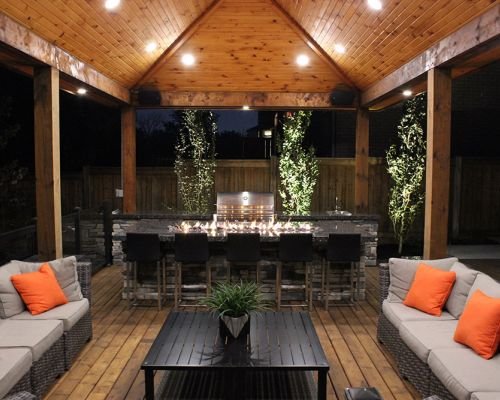
Transforming outdoor spaces into personal retreats is both an art and a science—are you ready to trust the craftsmanship that turns raw wood into a lasting masterpiece? This guide reveals how building a custom deck goes beyond mere construction, blending design, durability, and artistic expression. From selecting materials like eco-friendly composites to incorporating personalized touches such as intricate railings and ambient lighting, each detail shapes a space that reflects your style and lifestyle. With expert tips on planning, permitting, and execution, it emphasizes the importance of careful craftsmanship and thoughtful innovation. As the future of outdoor living evolves with sustainable materials and smart technology, your deck can become more than just an extension of your home—it can be a timeless haven that adapts and endures. Are you prepared to create an outdoor sanctuary that elevates your home and enriches your life?
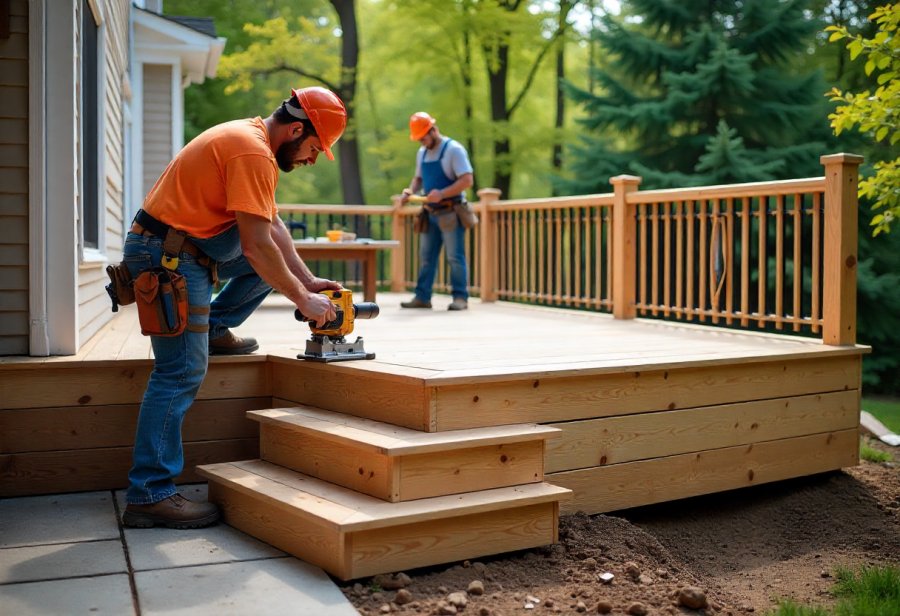
Transform Your Outdoors Into a Personal Retreat with Custom Deck Building
Building a custom deck is more than just adding a platform outside your back door; it’s an opportunity to turn your outdoor space into a personal retreat that combines style, function, and durability. A well-designed deck becomes an extension of your home—somewhere you can relax, entertain, or simply enjoy the view in comfort. When crafted thoughtfully, it elevates your backyard’s appeal and creates a space where everyday moments become lasting memories.
The beauty of a custom deck lies in its ability to reflect your personal style. Whether you favor sleek modern lines, rustic charm, or something entirely unique, every detail can be tailored to suit your taste and lifestyle. A thoughtfully designed deck seamlessly blends with your home and natural surroundings, making it feel like a natural extension of your outdoor environment. It’s not just about looks; it’s about creating an inviting space that enhances how you live outdoors.
Many homeowners see a deck as a smart investment—adding value and curb appeal to their property. A well-built outdoor area transforms an ordinary backyard into a versatile retreat, perfect for everything from morning coffee to summer barbecues. It invites family, friends, and solitude alike, becoming a place where comfort and style meet. Building a deck is about more than aesthetics; it’s about crafting an environment that supports your outdoor lifestyle for years to come.
Some might assume that creating a custom deck is a complex or costly endeavor, but that’s not necessarily the case. Modern materials like composite decking offer durable, low-maintenance surfaces that stand up to the elements without demanding constant upkeep. With careful planning and the right choices, the process can be accessible whether you’re a DIY enthusiast or working with professionals. The key is understanding your options and approaching the project with a clear vision.
This guide will walk you through each step, from initial ideas to finishing touches. You’ll learn how to plan a layout that fits your space, select materials that match your style and budget, and understand the basics of construction and safety. Having a clear plan in place makes the process smoother and helps ensure your deck becomes a beautiful, lasting feature in your outdoor space.
Transforming your backyard into a personal paradise begins with understanding what makes a deck both functional and beautiful. Every detail—from framing to railing—plays a role in creating a space that’s durable and inviting. When built with care and attention, your deck becomes more than an outdoor structure; it’s a timeless retreat where you can relax, entertain, and make memories that last.
Master the Essentials: Materials, Structure, and Design Principles for Lasting Decks
Building a custom deck begins with understanding the key principles that ensure both beauty and longevity. The foundation of any great deck starts with choosing the right materials. From traditional options like cedar and redwood to modern composites, each material brings its own look, feel, and maintenance needs. Your choice should reflect your aesthetic preferences, how much time you want to spend on upkeep, and your budget. Natural woods offer warmth and charm, while composites provide durability and low maintenance, making it easier to enjoy your outdoor space without constant care.
Structural integrity is equally vital. A deck’s safety and durability depend on proper framing, load capacity, and spacing. The framing, which includes beams and joists, acts as the backbone supporting the surface and everything on it. Correct spacing between joists prevents warping and ensures stability over time. Considering how much weight your deck will support—whether for furniture, planters, or even a hot tub—guides your design choices and helps prevent future issues. Careful planning during this phase sets the stage for a safe and resilient structure.
Familiarity with essential terms simplifies the design process. Load capacity indicates how much weight your deck can support safely, guiding the size and type of furniture and features you can include. The decking surface itself—made from wood or composite—is what you walk on and influences the overall look. Railings are more than safety features; they add style, with options ranging from classic balusters to sleek cable systems or decorative metalwork. Knowing these elements makes it easier to visualize your finished deck and ensure each part contributes to both function and style.
Designing your deck involves more than selecting materials. Layout, size, and placement of stairs, lighting, and built-in features shape how you’ll use the space daily. A multi-level design can create different zones for dining, lounging, or entertaining, while a simple rectangular shape offers flexibility and ease of construction. Thoughtful placement of lighting or planters can turn a basic platform into an inviting outdoor retreat. Balancing aesthetics and practicality ensures your deck enhances your outdoor living experience seamlessly.
This perspective is expanded in Vance Nolan‘s article Create a Timeless Outdoor Retreat with Custom Decks on Are You Going To Scarborough Fair?.
Durability and maintenance are key considerations. While natural wood brings warmth, it requires regular sealing and staining to prevent rot and splinters. Composite decking, made from recycled plastics and wood fibers, resists weathering, stains, and insects with minimal upkeep. Other options like aluminum or PVC decking are highly durable and low-maintenance but may lack some of the natural appeal of wood. Your choice should match your lifestyle, ensuring your deck remains beautiful and functional for years to come.
Attention to detail during construction makes all the difference. Preparing a level foundation and installing sturdy footings prevents shifting or sagging over time. Precise measurements, proper fastening, and regular inspections during framing guarantee safety and quality. When each step is executed carefully, your deck becomes more than just a structure—it becomes a reliable, long-lasting part of your outdoor space. Good craftsmanship and thoughtful planning turn your vision into reality, creating a space designed to endure.
Ultimately, building a deck is about combining practical considerations with your personal style. Choosing the right materials, ensuring structural soundness, and paying attention to details result in a space that’s not only beautiful but also durable and safe. When you understand these fundamentals, you set yourself up for success—creating an outdoor retreat that will serve as a timeless feature of your home for years to come.
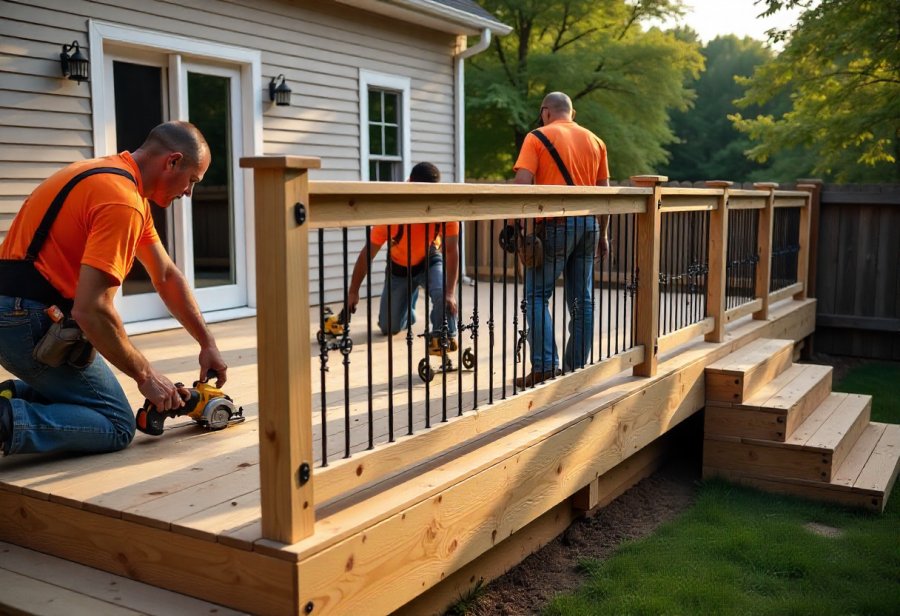
Elevate Your Space: Creative Designs and Artistic Craftsmanship for Stunning Decks
Creative deck designs do more than just serve a functional purpose—they transform your outdoor space into a personal canvas for artistic expression. Thoughtful details like intricate railing patterns, custom-built benches, or hidden lighting can elevate a simple platform into a visual masterpiece. Skilled craftsmen often incorporate decorative woodwork, inlaid tiles, or artistic metal accents, adding layers of personality and sophistication. These touches not only boost aesthetic appeal but also reflect your unique style, turning your deck into an extension of your home’s character.
When designing a custom deck, the options for visual impact are nearly limitless. A straightforward rectangular layout offers versatility and simplicity, while multi-level designs create distinct zones for dining, lounging, or entertaining. Some homeowners prefer open-concept spaces that seamlessly connect indoors and outdoors, enhancing the sense of flow. Others opt for enclosed decks with built-in seating and decorative railings that provide privacy and charm. Material choices like warm woods or sleek composites influence the overall look, adding texture and depth to your design.
Adding custom features can truly personalize your outdoor retreat. Built-in seating such as benches or cozy nooks provide comfort and functionality, blending naturally with your overall layout. Thoughtfully chosen lighting—string lights, LED fixtures, or lanterns—not only extends usability into the evening but also creates a welcoming ambiance. Artistic railings, whether wrought iron, cable, or decorative woodwork, serve as focal points that showcase craftsmanship. Incorporating planters, fire pits, or unique staircases further enhances the space, turning it into a layered sanctuary tailored to your lifestyle.
Every detail plays a role in transforming your deck into a reflection of your personality and taste. Well-crafted elements like custom inlays or decorative accents add a sense of artistry that elevates the space beyond mere utility. These touches create a warm, inviting atmosphere that encourages relaxation and socializing. When built with care and precision, your deck becomes much more than an outdoor structure—it becomes a signature feature of your home, a true extension of your aesthetic vision.
Designing with artistry in mind also involves paying attention to how each element interacts. A sleek railing can complement the overall aesthetic, while lighting highlights architectural details and sets the mood. Thoughtful placement of planters and built-in features adds layers of interest, making the space feel curated and intentional. This attention to detail ensures your deck isn’t just beautiful but also highly functional, blending style and practicality seamlessly.
Readers looking for more background should consult Preston Thompson‘s article Transform Your Outdoor Space with a Custom Deck Masterpiece on The Chantels.
Incorporating creative ideas and craftsmanship elevates your deck from a simple outdoor platform to a captivating living space. It’s about infusing personality, elegance, and artistry into every component, making your backyard a true reflection of your style. With the right touches, your deck becomes an outdoor sanctuary—beautiful, functional, and ready to host memories for years to come.
From Blueprint to Backyard: Practical Steps to Design and Build Your Dream Deck
Starting your custom deck project means translating ideas into action with clear, practical steps. Begin by carefully assessing your outdoor space—measure dimensions, note any slopes, trees, or obstacles that could influence your design. This quick evaluation helps you visualize what’s feasible and avoids surprises during construction. Once you understand the space, decide how you want to use the deck—whether for dining, lounging, or entertaining—and sketch a layout that supports those needs.
Next, set a realistic budget. Knowing your spending limits guides your choices around materials and complexity, ensuring you stay on track. Explore options like pressure-treated lumber for affordability or composite decking for low maintenance and durability. Check local building codes early on to avoid compliance issues. Permits are often required, so contact your city or county’s building department to gather necessary approvals before starting work. Planning for permits and regulations upfront streamlines the process and saves headaches later.
To see how this applies in practice, refer to Jessamine Robinson‘s article From framing to finishing—experience the artistry that makes your deck a true masterpiece on Life Spent Learning.
With your space and budget defined, create simple sketches or use online tools to develop a basic design. Focus on layout, size, and key features like stairs, railings, and built-in seating. If DIY isn’t your forte, research reputable contractors with experience in outdoor structures. Look for reviews, portfolios, and references to find someone who aligns with your vision. Clear communication and a detailed plan will make the construction smoother and more enjoyable.
Preparing your site is a critical step. Clear away debris, level the ground as much as possible, and install stable footings or concrete piers. This foundation work ensures your deck won’t shift or sag over time. Once the base is ready, framing begins with sturdy beams and joists—accuracy here guarantees safety and longevity. Take your time measuring and fastening, double-checking each step to prevent mistakes that could compromise the entire project.
As construction progresses, focus on finishing touches that personalize your space. Seal or stain the wood to protect against weather, and add lighting, planters, or built-in features that reflect your style. These details enhance usability and turn a basic deck into an inviting retreat. Careful execution at each stage transforms your initial ideas into a beautiful, durable outdoor space designed to last for years.
By approaching your project with clear planning and attention to detail, you’ll turn your outdoor vision into reality. Every step, from assessing your space to adding final accents, contributes to creating a safe, stylish, and functional deck. When done thoughtfully, it becomes more than just an addition—it’s a lasting outdoor sanctuary where you can relax, entertain, and enjoy your home to the fullest.
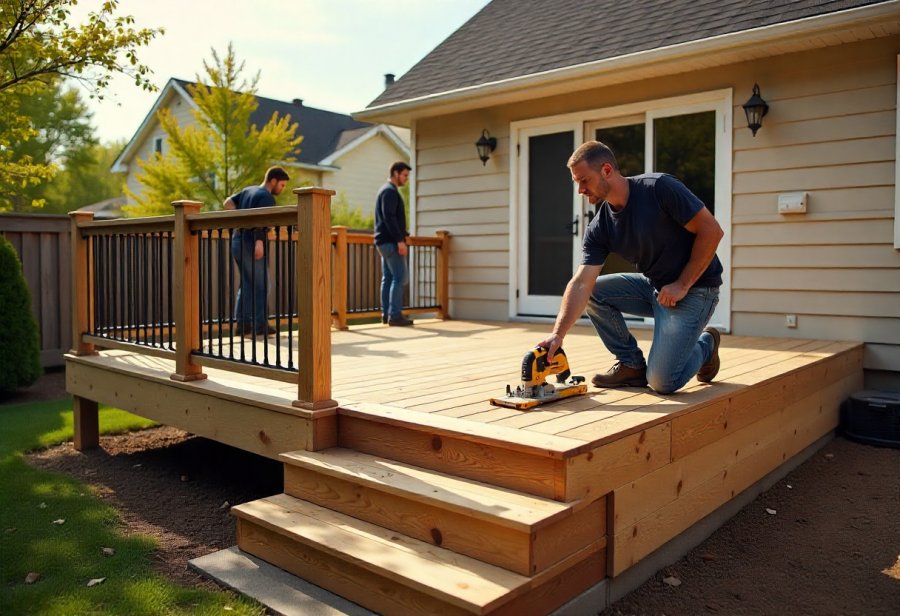
Envisioning Tomorrow: Trends, Innovations, and Long-Term Benefits of Custom Decks
The future of custom decks is shaping up to be more innovative and sustainable than ever before. Homeowners are increasingly drawn to eco-friendly options like reclaimed wood, bamboo composites, and recycled plastics, which not only reduce environmental impact but also offer long-lasting durability with minimal upkeep. As technology advances, these greener materials become more accessible and attractive, making sustainability a key factor in deck design without sacrificing style or functionality.
Smart technology is rapidly integrating into outdoor living spaces, transforming decks from simple platforms into connected retreats. Automated lighting, climate control systems, and remote-controlled irrigation are just a few examples that enhance convenience and extend usability. Imagine turning on ambient lights from your phone or adjusting a heating element to enjoy chilly evenings—these innovations turn your backyard into a year-round haven, blending comfort with cutting-edge convenience.
Material breakthroughs are also on the horizon, promising surfaces that resist cracking, staining, and weather damage far better than current options. Translucent composites and self-healing concrete are being developed to withstand the test of time with minimal maintenance, ensuring your deck remains pristine for decades. Investing in these advanced materials now not only elevates your outdoor space but also offers peace of mind that it will stand strong against the elements with little effort.
Design trends are leaning toward cleaner lines, seamless indoor-outdoor transitions, and multifunctional features like outdoor kitchens and fire pits. These elements create versatile spaces that cater to both casual lounging and elegant entertaining. As outdoor areas become more integrated with home living, decks will continue to serve as stylish extensions of your interior, adding value and personality to your property while providing a cozy, functional retreat.
Looking ahead, well-built decks will offer more than aesthetic appeal—they’ll deliver lasting value and adaptability. Innovations in materials and technology will make decks smarter, more sustainable, and more personalized to individual lifestyles. Investing in a thoughtfully designed deck today means creating a space that evolves with your needs, remains durable over time, and continues to inspire outdoor living for years to come.