Few moments in life evoke such pure happiness as a dog’s joyful outdoor walk, where every sniff and playful bounce signifies a deep bond and a celebration of life’s simple pleasures. These outings do more than burn energy—they nurture mental stimulation, emotional well-being, and trust between pet and owner. But what truly makes these moments so meaningful? Is it the physical activity, the sensory exploration, or the shared sense of discovery? As modern practices evolve, incorporating diverse environments, enrichment tools, and innovative technologies, outdoor walks are transforming into more than routine exercises—they’re becoming tailored experiences that deepen connection and happiness. With advancements like GPS tracking, eco-friendly parks, and community sharing platforms on the horizon, the future promises even richer adventures. Ultimately, these daily excursions remind us that life’s most profound joys often reside in the simplest acts—spending time outdoors with our loyal companions, embracing curiosity and connection in every step.
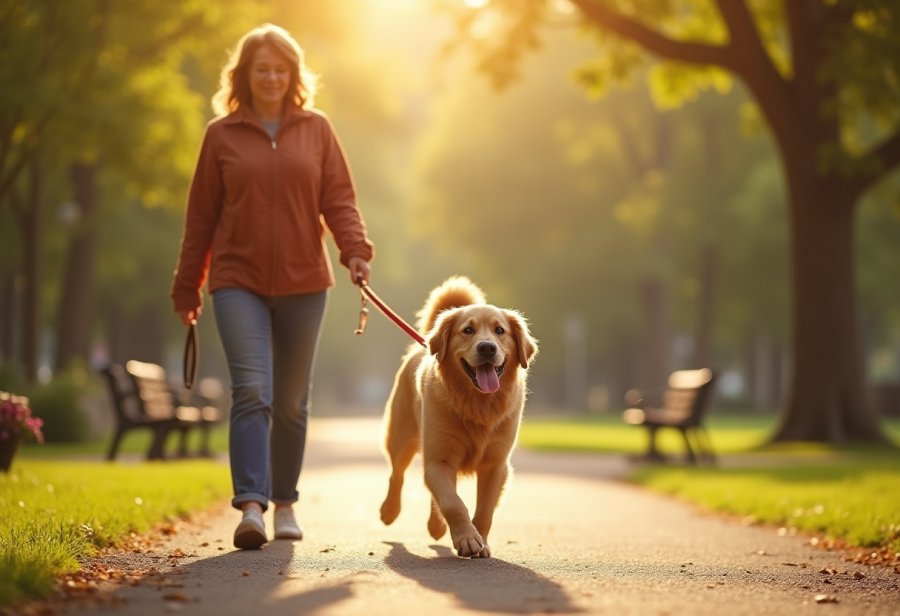
Discover Why Outdoor Walks Are the Key to Dog Happiness
Few simple pleasures compare to the joy a dog shows when exploring outside. Watching a furry friend’s face light up as they sniff, chase leaves, or pause to take in new sights never fails to bring a smile. These outdoor moments aren’t just routine; they’re vital for a dog’s happiness and overall well-being. They break the monotony of indoor life and reconnect pets with the natural world, engaging their senses and instincts.
Outdoor walks do more than burn off energy—they nurture a deep bond between dogs and their owners. As dogs navigate new scents and scenery, they learn to trust and rely on their humans for safety and guidance. This mutual exploration strengthens the relationship, creating a shared sense of adventure and trust that extends beyond the walk itself.
For dogs, these outings are a feast for their senses. Sniffing a variety of smells, feeling different textures under their paws, and observing unfamiliar sights stimulate their minds and keep boredom at bay. The mental engagement from these sensory experiences helps prevent behavioral issues rooted in frustration or excess energy.
Physical activity during outdoor walks also supports their health. Running, stretching, and exploring help strengthen muscles, promote healthy joints, and maintain a healthy weight. As dogs grow older, regular outdoor exercise becomes even more essential to preserve their vitality and mobility, ensuring they remain happy and active well into later years.
Beyond the physical benefits, outdoor walks foster emotional well-being. When dogs feel safe and loved during these shared adventures, they relax more easily and develop confidence. Owners who pay attention to their dog’s body language and respond with praise build trust, turning routine walks into moments of genuine connection and mutual joy.
Ultimately, the magic of outdoor walks lies in their simplicity. A moment spent exploring a park, trail, or neighborhood turns into a celebration of life—marked by curiosity, discovery, and companionship. For dogs and owners alike, these small adventures remind us that happiness often resides in the everyday, in the simple act of stepping outside and embracing the world together.
Unveiling the Secrets of Canine Joy: Body and Mind in Harmony
Understanding what makes a dog truly happy during outdoor activities involves more than just watching them run around. It’s about recognizing the delicate balance between their physical needs and emotional well-being. Physically, dogs thrive on movement—whether they’re chasing a ball, exploring new scents, or stretching their legs on a walk. This activity keeps their muscles strong, supports healthy joints, and boosts overall vitality. But physical fitness is just one piece of the puzzle. Dogs also need mental stimulation, which they get through sensory experiences like sniffing different plants, hearing unfamiliar sounds, or taking in new scenery. These moments of discovery foster curiosity and a sense of safety, both of which are key to their happiness.
Behaviorally, dogs feel their best when they can express their natural instincts without restrictions. Sniffing, digging, or chasing are behaviors that come naturally, and allowing these during outdoor walks makes them feel fulfilled. When these instincts are suppressed or restricted, boredom and frustration can set in, leading to behavioral issues. That’s why varied environments and opportunities for free exploration are so important—they give dogs the space and freedom to be themselves. Emotional factors also play a major role. A dog that trusts its owner and feels safe will wag its tail more, relax more easily, and approach new experiences with confidence.
The bond with their owners forms the foundation of a dog’s happiness. When dogs trust their humans to keep them safe and guide them through new adventures, they feel secure enough to explore and enjoy. During walks, owners who observe their dog’s body language and respond with praise or reassurance reinforce this trust. These shared moments of discovery turn routine outings into meaningful connections that deepen the relationship. The environment itself also influences their mood—pleasant weather, gentle breezes, and natural surroundings can elevate a dog’s spirits, making outdoor time feel even more rewarding.
In Discover How Outdoor Walks Unlock Your Dog's True Happiness, Ki Wood examines this topic further on The Latest News.
Happiness during outdoor activities isn’t solely about physical exertion or sensory overload. It’s about creating a balanced experience that addresses both body and mind. When dogs receive enough movement, mental engagement, and emotional reassurance, they thrive. Recognizing these factors helps owners understand why outdoor walks are so much more than simple exercise—they’re vital for emotional health and bonding. In these shared explorations of scent trails, open spaces, and new sights, dogs find genuine joy, and owners witness their pet’s authentic happiness. It’s in these moments that the simple act of walking becomes a profound expression of trust, love, and mutual delight.
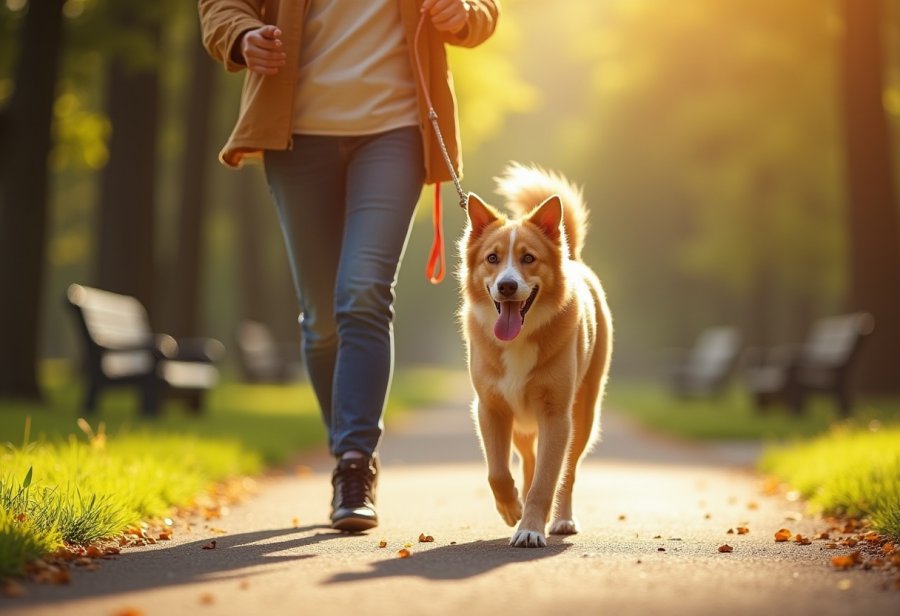
Exploring Current Practices: Routes, Environments, and Innovations in Dog Walking
Many dog owners have developed a variety of routines and preferences to make outdoor walks more enjoyable and enriching for their pets. Leash training remains fundamental, helping keep dogs safe while giving them the freedom to explore. Well-behaved leash manners prevent pulling and lunging, making walks calmer and more enjoyable for both parties. For dogs that thrive on freedom, off-leash play in secure, fenced areas offers a different kind of joy—allowing them to chase toys, sniff around, or wander without restrictions. Mixing different environments like neighborhood streets, parks, and nature trails keeps routines fresh and tailored to each dog’s personality and energy level.
Establishing a consistent daily schedule adds a sense of security for dogs. Many owners opt for morning or evening walks, turning these moments into reliable sources of joy and discovery. Regular visits to parks or scenic trails support physical health—helping maintain a healthy weight and build strength—while also providing emotional stability. Routine creates familiarity, helping dogs feel relaxed and confident, transforming outdoor time into a dependable escape that boosts their happiness.
Recently, there’s been a shift toward more stimulating outdoor experiences. Incorporating enrichment tools such as puzzle toys or treat-dispensing balls into walks introduces mental challenges alongside physical activity. Eco-friendly parks with natural features—like scent trails, water stations, and agility zones—are becoming more popular, encouraging dogs to use their instincts and explore naturally. Community programs and mobile apps now help owners find dog-friendly spots, organize group outings, and share tips, making outdoor adventures more social and engaging. This growing awareness emphasizes that walks should be both fun and meaningful, supporting overall well-being.
Despite these advancements, challenges remain. Leash reactivity, where dogs become overly excited or anxious when encountering others, can complicate outings. Managing this behavior takes patience and consistent training but is essential for positive experiences. Environmental hazards such as busy streets, toxic plants, or uneven terrain require careful planning and awareness. Some parks lack amenities or are overly crowded, limiting opportunities for meaningful exploration. Recognizing these hurdles helps owners select suitable locations and adopt strategies that keep outdoor time safe and enjoyable.
More insight on this topic is available on Born January 1934 in Aurora Alvarez‘s article Experience Pure Joy in Every Dog Outdoor Walk Adventure.
Varying routes and settings helps prevent boredom and encourages curiosity. Changing scenery, terrain, or the time of day keeps walks fresh and stimulating. Introducing new environments gradually helps dogs adapt and explore with confidence. Bringing enrichment toys or practicing obedience commands during walks enhances mental stimulation and deepens the bond. Listening to other owners’ experiences often highlights the importance of patience and observation, tailoring each outing to the dog’s needs and personality.
Looking ahead, technology promises to revolutionize outdoor walks. GPS collars and activity trackers enable owners to monitor a dog’s location, activity levels, and health in real time. These tools help plan more engaging, safe adventures, boosting confidence and exploration. Parks designed with sensory enrichment features—like scent trails and agility zones—are on the rise, offering natural stimulation that taps into dogs’ instincts. Online platforms facilitate community building, helping owners discover new routes, organize group walks, and share insights, enriching every outdoor experience.
As outdoor activities evolve, so do the ways we support dogs’ happiness and safety. Combining traditional routines with new ideas and innovations creates a more dynamic, fulfilling experience for dogs and their owners. These trends promise to deepen bonds, turning everyday walks into memorable moments of discovery, trust, and joy that strengthen the relationship for years to come.
Practical Strategies to Create Joyful and Effective Outdoor Walks
To make outdoor walks both enjoyable and beneficial for your dog, start by choosing routes that match their personality and energy level. A lively, curious dog might thrive on scenic parks or nature trails filled with interesting scents, while calmer pups may prefer familiar neighborhood strolls. Adding variety—like exploring new parks or different routes—keeps their mind engaged and prevents boredom from setting in. Before heading out, check the environment for extreme weather, toxic plants, or unsafe terrain to ensure a safe experience for your pet.
Once you’re on the walk, keep a relaxed pace that allows your dog to explore comfortably. Encourage sniffing and investigation, as these are vital for mental enrichment. When your dog pauses to sniff or examine something, praise and reassure them to reinforce positive associations with outdoor time. Incorporate short breaks where they can take in the environment at their own pace, helping them build confidence and stay calm. If your dog seems distracted or anxious, gently redirect their attention with commands or treats, showing patience is key to a stress-free outing.
Varying your routes and routines keeps outdoor adventures fresh and exciting. Changing scenery, terrain, or even the time of day stimulates your dog’s senses and curiosity, making each walk a new experience. Introduce new environments gradually so your dog can adapt comfortably and explore with confidence. Pay close attention to their body language—if they seem overwhelmed or tired, slow down or consider ending the walk early to keep the experience positive. This attentiveness ensures outdoor outings remain enjoyable and safe.
A broader look at this topic can be found on Vincent Regent Wisdom in Jake Palmer‘s Discover the Secret to Endless Joy in Outdoor Dog Walks.
Adding simple training exercises during walks can enhance mental stimulation and reinforce good behavior. Commands like “sit,” “leave it,” or “come” are easiest to practice in low-distraction settings but can be gradually introduced in busier environments. These moments turn routine walks into opportunities for learning and bonding, deepening your connection while helping your dog develop better self-control. Consistent practice during outdoor time makes training more natural and enjoyable for both of you.
Safety is paramount. Keep your dog on a secure leash, especially in busy or unfamiliar areas, and stay alert for hazards such as traffic, toxic plants, or aggressive animals. Carry essentials like water, waste bags, and a collar or harness that fits well. Plan your route to include safe spots for breaks and hydration, and be ready to adjust if your dog shows signs of fatigue or discomfort. Managing their environment thoughtfully helps ensure each walk remains a positive, enriching experience.
Finally, remain flexible and attentive to your dog’s needs. If they’re tired or overwhelmed, it’s okay to cut the walk short or switch to a familiar route. Small adjustments—like changing the time of day or introducing new enrichment toys—can make outings more engaging. By staying attuned to their cues and preferences, you turn routine walks into meaningful moments of joy, trust, and connection. These simple steps lay the foundation for outdoor adventures that nurture your dog’s happiness and deepen your bond with each shared exploration.
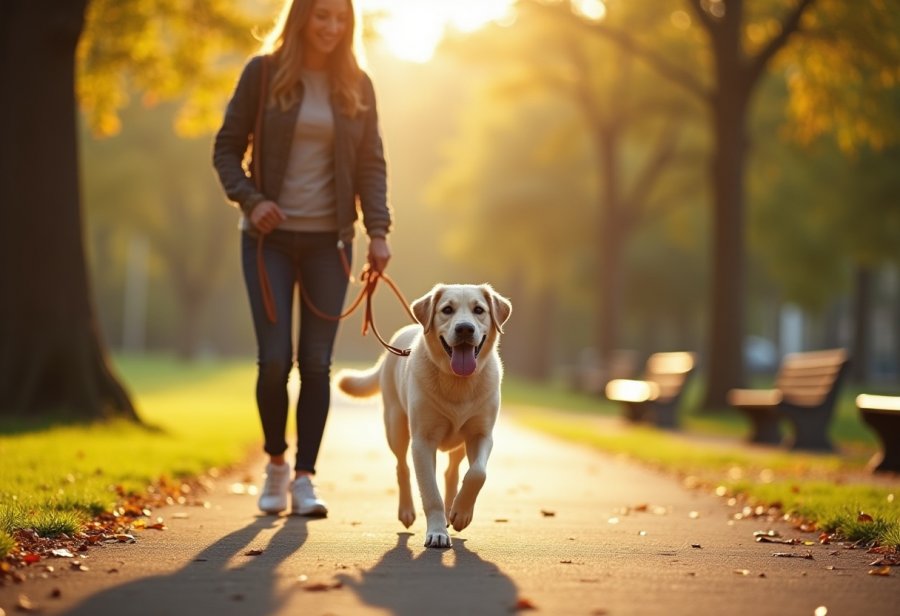
Gazing Ahead: The Future of Dog Walks and Innovative Outdoor Adventures
Looking ahead, the future of dog walks promises to be more innovative and personalized than ever before. Advances in technology, especially with smart collars and GPS devices, are transforming outdoor adventures. These tools enable owners to monitor their dog’s location, activity levels, and health in real time, making outings safer and more tailored to each pet’s needs. As these devices become more affordable and widespread, they’ll likely become standard gear, giving owners greater confidence and peace of mind during every walk.
Meanwhile, parks and trails designed specifically for canine enrichment are gaining popularity. These spaces incorporate natural features like scent trails, water stations, and agility zones, encouraging dogs to explore using their natural instincts. Eco-friendly parks that blend sustainability with sensory stimulation are on the rise, offering environments where dogs can thrive physically and mentally. Such spaces turn outdoor walks into adventures that tap into dogs’ curiosity and encourage their innate behaviors.
Technology isn’t just changing how we track dogs; it’s also expanding social opportunities. Apps and online platforms now help owners find dog-friendly spots, organize group walks, and connect with other pet lovers nearby. This sense of community makes outdoor outings more social and enjoyable for dogs, who appreciate the chance to interact and play with others in safe settings. These tools also help owners plan routes that match their dog’s personality and energy level, enriching each walk with purpose and variety.
Behavioral support tools are evolving alongside these innovations. Wearable tech that monitors stress or reactivity offers immediate feedback, helping owners address behavioral challenges on the spot. For dogs with anxiety or specific needs, this real-time insight can turn walks into calming, positive experiences. As our understanding of canine psychology deepens, these technologies will help create outdoor routines that nurture emotional well-being as much as physical fitness.
Environmental consciousness continues to influence outdoor activities for dogs. More owners are choosing sustainable options like biodegradable waste bags, eco-friendly collars, and parks built with eco-responsibility in mind. These efforts reduce environmental impact while supporting natural behaviors through sensory-rich environments. This shift not only benefits the planet but also enhances the quality of outdoor experiences, ensuring they remain enjoyable and sustainable for future generations.
All these trends point to a future where dog walks are more than routine tasks—they become richer, safer, and more meaningful. With technology, thoughtful design, and community support working together, owners will have more tools to provide their dogs with stimulating, safe, and joyful outdoor experiences. This evolving landscape promises to deepen the bond between dogs and their owners, turning everyday outings into moments of discovery, trust, and shared happiness.