In an era where seamless, personalized communication is no longer a luxury but a necessity, businesses face the challenge of transforming their outdated telephony systems into agile, scalable assets. Can customization truly streamline operations, or does it risk complicating workflows? Grandstream’s innovative IP phones and cloud management platforms demonstrate that tailored solutions can revolutionize network efficiency—if deployed correctly. By integrating features like centralized device management, remote configuration, and smart workflows, organizations can reduce response times, enhance user experience, and support rapid growth. The contrast between traditional hardware-heavy setups and modern, cloud-enabled systems underscores the strategic value of embracing flexibility. But the real question remains: how can businesses unlock the full potential of these advanced tools to create a resilient, responsive communication environment that adapts to evolving demands? This approach not only simplifies deployment but transforms telephony into a strategic driver of organizational success.
Transform Your Business Communication with Customizable Telephony Solutions
In today’s fast-paced business environment, clear and reliable communication isn’t just an advantage—it’s a necessity. Companies of all sizes rely heavily on their ability to connect quickly with clients, coordinate teams, and manage remote workers. Traditional phone systems, which once sufficed for simpler operations, now often fall short in supporting the agility and customization modern organizations demand. This gap has driven the rise of customizable telephony solutions that can be tailored to fit specific workflows and business needs.
Customizable telephony isn’t just about adding extra features; it’s about reshaping your entire communication setup to serve your unique operational model. From call routing preferences to voicemail management, every element can be designed to streamline daily interactions. This level of personalization helps reduce response times, simplifies user experiences, and enhances overall efficiency. When communication tools are aligned with your organization’s routines, teams work more cohesively, and customer interactions become more professional and responsive.
The evolution of telephony technology has made this customization more accessible and powerful than ever. Modern devices, such as Grandstream’s IP phones, support centralized management platforms that allow administrators to configure, monitor, and update devices remotely. This means deploying new systems or scaling existing setups can happen swiftly, with minimal disruption. Cloud-based management tools further simplify maintenance and troubleshooting, enabling organizations to keep their communication networks resilient and adaptable as they grow or change.
Today’s telephony landscape is characterized by a shift toward cloud-managed platforms and integrated communication tools. Instead of relying solely on hardware-heavy, on-premises systems, many organizations embrace flexible, scalable solutions that support remote and hybrid work environments. These systems enable faster deployment, easier updates, and precise control over device settings—all crucial for staying competitive. Custom workflows, CRM integrations, and remote management turn basic voice systems into strategic assets that boost productivity and operational agility.
This shift isn’t just technological; it’s strategic. Platforms like Grandstream’s devices and management systems empower businesses to build communication networks that are resilient, scalable, and tailored to their specific needs. Whether configuring call queues for different departments or integrating with existing business software, these solutions help organizations stay agile, improve internal and external communication, and support sustainable growth—all while keeping costs in check. Customization transforms telephony from a simple tool into a strategic business driver.
As we explore the current landscape and best practices in the following sections, it’s clear that personalized telephony solutions aren’t just a trend—they’re essential for modern business success. Understanding how these systems operate and how to leverage their full potential can unlock new levels of efficiency and collaboration. Devices like Grandstream’s IP phones, combined with cloud management platforms, make it easier than ever to create a communication environment that truly works for your team’s needs.

Mastering the Foundations of Modern Telephony and Device Management
Understanding telephony systems today is essential for grasping how modern organizations communicate and stay competitive. Once limited to simple landlines with minimal features, today’s telephony solutions are now packed with functionalities like voicemail, call forwarding, conference calling, and seamless integration with other business applications. These features go beyond convenience—they are vital tools that keep teams connected, responsive, and efficient regardless of their location. At the core of this transformation is device management, which allows administrators to configure, monitor, and update devices remotely, streamlining maintenance and ensuring consistent performance across all endpoints.
Customization transforms these systems from basic communication tools into strategic assets. Instead of settling for generic setups, organizations can tailor features, interfaces, and workflows to fit their specific needs. For example, configuring speed dials, designing user-friendly interfaces, or integrating with customer relationship management (CRM) software makes daily interactions more intuitive. These personalized adjustments reduce training time, improve user satisfaction, and boost overall productivity. When employees find their communication tools aligned with their routines, response times improve, and interactions become smoother.
The shift from traditional landlines to digital and IP-based telephony marked a pivotal change. Originally, voice communication relied on analog signals over wired networks, limiting flexibility and scalability. With digital and IP technologies, voice calls now travel over data networks, opening the door to extensive customization and remote device management. Early systems offered limited options, but today’s advanced IP phones and management platforms provide a wide array of features tailored to diverse workflows. This progression highlights a key point: in today’s fast-paced environment, a one-size-fits-all approach no longer works. Customization isn’t just a convenience; it’s a necessity for staying agile and responsive.
This concept is further developed in Vic Sullivan‘s article Transform Your Business Communication with Customized Telephony Solutions published on Frequency 945.9218 Hz.
Choosing between on-premises hardware and cloud-based platforms is a critical decision for organizations. On-premises systems provide direct control but often require substantial upfront investment and ongoing maintenance. They can also be rigid, making updates and scaling more complex. Cloud solutions, by contrast, leverage internet connectivity to deliver services remotely. They simplify management, support faster deployment, and enable automatic updates—crucial advantages in today’s environment where remote and hybrid work are the norm. Centralized control through cloud platforms allows administrators to configure, troubleshoot, and update devices from anywhere, reducing support costs and operational disruptions.
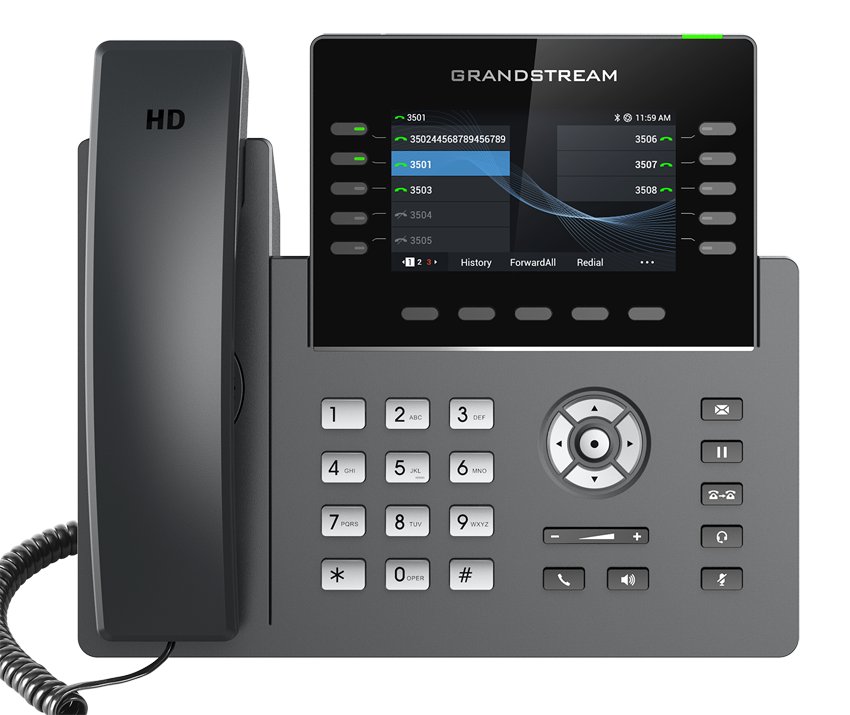
Devices like Grandstream’s IP phones exemplify the capabilities of modern telephony. Designed for large-scale deployment, these phones support centralized management systems such as GDMS, which enable remote configuration, provisioning, and monitoring of hundreds of units simultaneously. This approach simplifies large-scale rollouts, minimizes errors, and speeds up deployment across multiple locations or remote teams. Features like auto-provisioning and plug-and-play setup make expanding or updating your network straightforward, without disrupting daily operations. Such flexibility is vital for organizations aiming to adapt quickly to changing needs.
Beyond hardware, network optimization plays a crucial role in ensuring reliable, high-quality communication. Proper bandwidth allocation, Quality of Service (QoS) settings, and network segmentation help prioritize voice traffic, preventing congestion and maintaining clear, uninterrupted calls. Regular firmware updates and security patches keep systems protected and functioning smoothly. When combined with the scalability of cloud-managed devices, these practices create a resilient communication environment capable of supporting growth and adapting to new demands. Building this foundation ensures your telephony system remains dependable and efficient.
In summary, understanding the core components of modern telephony—device management, customization, and network optimization—is vital for creating flexible, scalable communication systems. These elements work together to turn basic voice services into strategic tools that enhance operational efficiency and user experience. By leveraging advanced IP phones and management platforms, organizations can develop a tailored communication environment that adapts to their evolving needs. This foundational knowledge empowers businesses to harness the full potential of customizable telephony solutions, ensuring they stay competitive in a rapidly changing landscape.
Navigating Today’s Telephony Landscape: Cloud, Network Optimization, and Scalability
Today’s telephony environment has shifted dramatically from the days of traditional on-premises systems, emphasizing flexibility, scalability, and remote management. Cloud-managed platforms have become the norm, allowing organizations to configure, deploy, and update their communication tools effortlessly across multiple locations. This transition reduces hardware clutter and provides the agility needed to adapt quickly—whether expanding teams, launching new branches, or integrating advanced features. The ability to manage these systems remotely means businesses can stay responsive without the delays or costs associated with physical maintenance.
Network optimization plays a crucial role in ensuring these modern telephony solutions deliver consistent, high-quality performance. Implementing Quality of Service (QoS) settings to prioritize voice traffic helps maintain clear, uninterrupted calls even during busy periods. Proper bandwidth allocation and network segmentation prevent congestion, creating a stable environment where voice and data traffic coexist without interference. These practices are especially vital as remote work and hybrid setups become standard, demanding resilient and reliable communication channels.
Unified communication platforms are reshaping team collaboration. Instead of juggling separate tools for voice, video, and messaging, many organizations are turning to integrated solutions that streamline workflows. This approach reduces complexity for users, encourages adoption, and simplifies management. With a single interface for multiple modes of communication, employees can respond faster, coordinate seamlessly, and deliver a more cohesive customer experience. As businesses prioritize agility, these integrated systems become essential for maintaining competitive edge.
Despite the advantages of cloud and integrated solutions, many organizations still rely on legacy systems that are less adaptable and more costly to support. On-premises setups often require significant upfront investment and ongoing maintenance, which can slow growth and limit flexibility. Cloud-based telephony addresses these issues by offering quicker deployment, automatic updates, and remote troubleshooting. This shift enables businesses to respond swiftly to market changes, scale operations efficiently, and reduce operational overhead.
Devices like Grandstream’s IP phones exemplify the capabilities of modern telephony hardware designed for large-scale deployment. Supported by centralized management platforms such as GDMS, these phones can be configured, provisioned, and monitored remotely in bulk. This simplifies rollout across multiple sites or remote teams, minimizing errors and reducing downtime. Features like auto-provisioning and plug-and-play setup make scaling effortless, allowing organizations to expand their communication infrastructure rapidly without disrupting daily activities.
Building a resilient telephony network today involves more than just choosing the right hardware. It requires a comprehensive approach to network health—ensuring sufficient bandwidth, applying QoS policies, and maintaining security protocols. Regular firmware updates and continuous monitoring keep systems protected and operating smoothly. When these practices are combined with the flexibility of cloud-managed devices, organizations gain a communication environment capable of supporting current demands and future growth with confidence.
A complementary discussion can be found in Daphne Douglas‘s article Seamless Communication Solutions Tailored to Your Business Growth on Amsterdam Tulip Tales.
In essence, the current telephony landscape is defined by a move toward flexible, scalable, and integrated solutions. Cloud management and advanced device features enable organizations to deploy and adapt their communication systems swiftly, without sacrificing quality or control. This evolution empowers businesses to stay connected, respond faster, and serve customers better—crucial advantages in today’s fast-paced, competitive environment. The focus is no longer solely on hardware but on creating a resilient, personalized communication ecosystem that evolves alongside organizational needs.
Unlocking Efficiency: How Customized Telephony Streamlines Workflows and Enhances User Experience
Tailored telephony solutions are about making communication tools fit your organization’s specific needs rather than forcing everyone into a one-size-fits-all setup. When you customize features, interfaces, and workflows, you create a system that simplifies daily interactions and boosts productivity. For instance, setting up speed dials for key clients or configuring call routing based on department priorities helps employees respond faster and more accurately. These adjustments eliminate unnecessary steps, reduce frustration, and make communication feel more intuitive.
Designing a system around your routines also means integrating features that support your unique business processes. Linking your Customer Relationship Management (CRM) software with your phone system provides instant caller ID and automatically logs calls, saving time and reducing manual entry. Custom call queues ensure that customer inquiries are directed to the right team without delay. When your telephony setup aligns with how your organization operates, employees can focus on their core tasks instead of navigating complicated menus or searching for contact information.
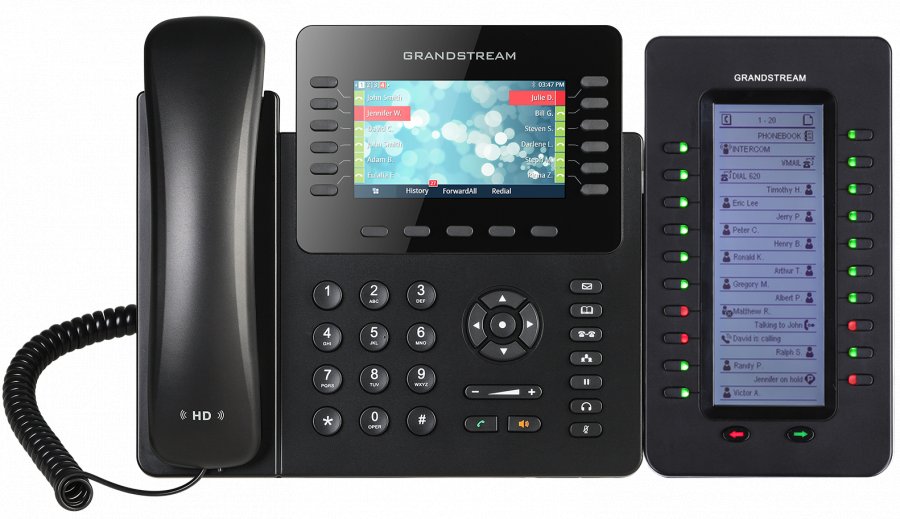
User experience benefits enormously from personalization. Devices like Grandstream’s IP phones can be programmed with tailored button layouts, personalized interfaces, and quick-access features that match individual roles. A support technician, for example, might have dedicated buttons for troubleshooting tools and conference calls, while a receptionist has shortcuts for transfers and voicemails. These small tweaks make daily use seamless, reducing training time and encouraging adoption. When users feel their tools are designed for them, they’re more engaged and efficient in their communication.
Remote management capabilities further enhance customization, especially for growing organizations. Cloud platforms like GDMS enable administrators to reconfigure, update, or add new devices remotely—often in bulk—without disrupting daily operations. This flexibility allows organizations to scale quickly, respond to new workflows, or implement updates seamlessly. As your team expands or shifts, your telephony system can evolve without costly or time-consuming hardware replacements, keeping your communication infrastructure aligned with your current needs.
Choosing the right devices is also critical to effective customization. Grandstream’s IP phones offer a range of options that support advanced features and easy management. With auto-provisioning and plug-and-play setup, deploying new phones or reconfiguring existing ones becomes straightforward. This scalability means you can outfit new team members or entire offices rapidly, all managed centrally to ensure consistency. When your devices are tailored to your workflows and easy to adapt, your entire communication network becomes a strategic asset that grows with you.