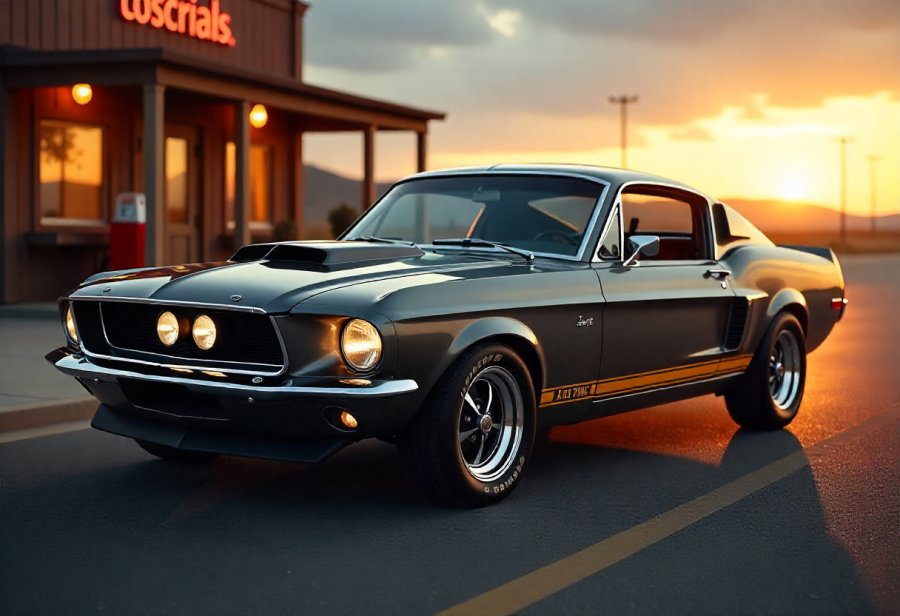
Step back into the roaring heyday of 1970s American muscle cars with the Chevrolet SS, a symbol of raw power, bold style, and rebellious spirit. From its thunderous 454 big-block engine to its aggressive styling, this vehicle encapsulated an era where speed and attitude reigned supreme. But what makes the legacy of the Chevrolet SS endure today? Beyond its striking design, it represents a cultural phenomenon—embodying independence, craftsmanship, and daring innovation. As collectors and enthusiasts restore and preserve these classics, they keep alive a passionate community driven by nostalgia and admiration. The contrast between the era’s unrestrained performance and today’s pursuit of authenticity fuels ongoing fascination. Whether admired at car shows or driven on vintage roads, the Chevrolet SS challenges us to reflect: in a world racing toward the future, how do these icons of the past continue to inspire—and roar—into tomorrow?
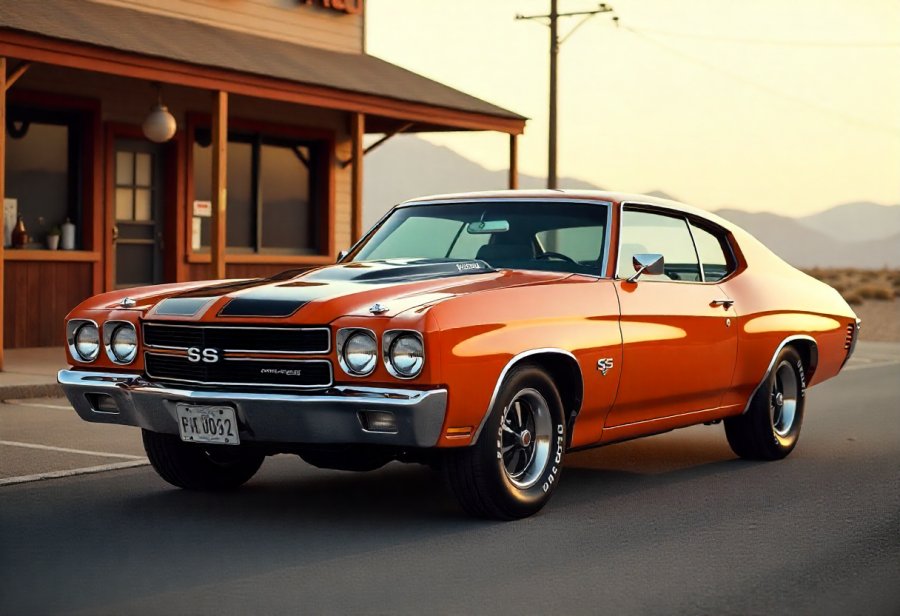
The Iconic 1970s Chevrolet SS: A Symbol of Power and Rebellion
The muscle car era of the 1970s was a defining chapter in American automotive history, marked by a bold push for power, style, and attitude. During this time, manufacturers like Chevrolet, Pontiac, Ford, and Dodge transformed everyday cars into roaring icons of rebellion. These vehicles weren’t just about transportation—they were statements of independence, designed to turn heads and command attention on the street and strip alike. The muscle car’s aggressive lines, wide bodies, and thunderous engines became symbols of freedom and daring.
Central to this movement was the Chevrolet SS, which exemplified the spirit of the era. With its massive engines, especially the legendary 454 big-block, and its eye-catching styling, the SS became a benchmark of American horsepower. Its bold presence was accentuated by features like cowl-induction hoods, racing stripes, and chrome accents, all designed to evoke speed and strength before the engine even roared. These cars weren’t subtle—they demanded to be seen and heard, embodying the raw energy that defined the muscle car’s golden age.
The 1970s Chevrolet SS wasn’t just a vehicle; it was a cultural phenomenon. Its deep growl and explosive acceleration captured the imagination of enthusiasts and spectators alike. Whether cruising down highways or tearing up drag strips, these cars represented more than just performance—they embodied a rebellious attitude and a zest for life. Every detail, from its vibrant paint jobs to its menacing stance, spoke to a desire for individuality and adrenaline-fueled freedom.
Despite the passage of time, the legacy of the Chevrolet SS remains alive today. It is celebrated at car shows, in restoration circles, and through media that continue to honor its iconic status. Restoring and preserving these models isn’t just about nostalgia; it’s about keeping a piece of American history and culture alive. Each restored SS serves as a reminder of a time when horsepower was king and cars were crafted to inspire awe and admiration.
In the end, the Chevrolet SS of the 1970s stands as a powerful symbol of America’s muscle car heritage. Its bold design and thunderous engine sound still evoke the spirit of a rebellious, freewheeling era. As the roar of these classics echoes into today’s car culture, they remind us of a time when cars weren’t just machines—they were a way to express personality, attitude, and the relentless pursuit of speed.
American Muscle Cars: Origins and the Birth of a Legend
The rise of muscle cars in America during the 1960s marked a seismic shift in automotive culture, turning everyday vehicles into symbols of power, rebellion, and attitude. Automakers like Chevrolet, Pontiac, Ford, and Dodge began designing cars that emphasized high performance, bold styling, and affordability, transforming the streets into racetracks of daring. These vehicles weren’t just about getting from point A to B—they became visual and auditory statements of independence, turning heads wherever they roared.
Fierce competition fueled rapid innovation, pushing manufacturers to outdo each other with larger engines and sleeker designs. Lightweight construction, improved aerodynamics, and high-performance parts made these cars faster and more capable. The Pontiac GTO, often credited as the first true muscle car, set the tone with its blend of affordability and raw power, inspiring a wave of similar models. These cars embodied a rebellious spirit, giving drivers a sense of freedom and a way to stand out.
Muscle cars quickly became embedded in popular culture, appearing in movies, music, and street racing scenes. The deep growl of a V8 engine became a universal symbol of rebellion and independence. Their aggressive styling—wide bodies, racing stripes, chrome accents—ensured they turned heads at every corner. These vehicles weren’t just machines; they were extensions of personality, daring drivers to push limits and defy convention.
The technological advances of the era played a crucial role in elevating muscle car performance. Large carburetors, upgraded suspensions, and dual exhausts boosted horsepower and torque, making these cars not only fast but also exhilarating to drive. Engine options like the legendary 426 HEMI and 454 big-blocks became legends for their explosive power, cementing muscle cars’ reputation as street beasts built for performance and thrill.
However, the muscle car boom faced hurdles as the 1970s unfolded. Rising insurance premiums, escalating fuel prices, and tighter emissions regulations began to slow industry momentum. The oil crisis underscored the impracticality of gas-guzzling performance vehicles, prompting manufacturers to scale back or shift focus. Despite these challenges, the legacy of muscle cars persisted, fueling nostalgia and inspiring future innovation.
The article Unleashing the Power and Style of the Classic Muscle Car Era by Quin Wade on Jock, My Friend! explores this subject in more detail.
Today, the muscle car era remains a defining chapter in American automotive history. The stories of these powerful machines continue to inspire enthusiasts and collectors alike. Restorations and modern interpretations keep the spirit alive, blending vintage style with contemporary performance. The muscle car’s legacy endures, a testament to an era when speed, style, and attitude reigned supreme.
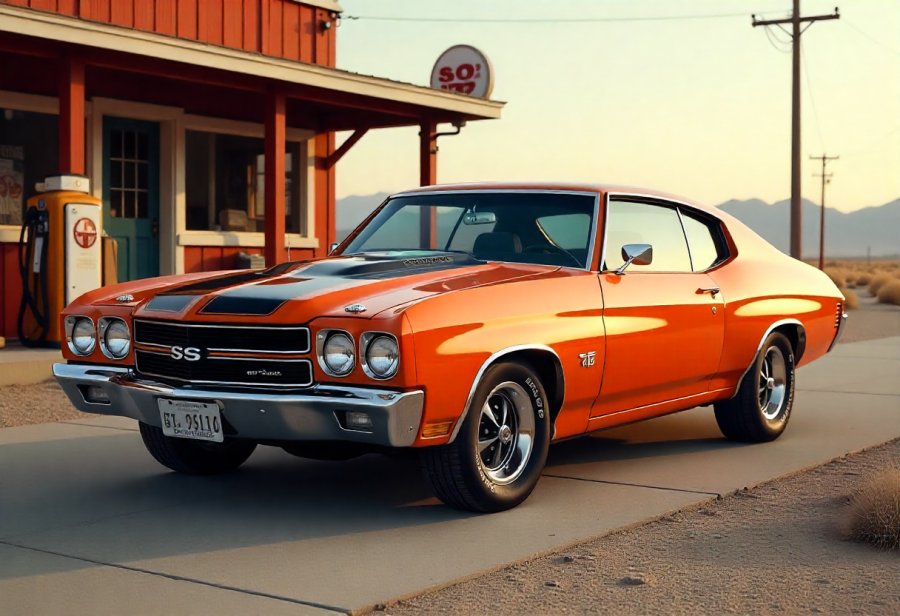
Modern Valuation and Revival of Classic Muscle Cars
Today, the Chevrolet SS and other classic muscle cars have transcended their original era to become highly prized collectibles. At auctions and car shows, well-preserved or expertly restored models often command impressive prices, reflecting their growing value and enduring cultural significance. These cars are no longer just nostalgic icons; they’re considered tangible investments, with rarity and authenticity fueling demand among enthusiasts eager to own a piece of American horsepower history.
The 1970s Chevrolet SS holds a special place within this landscape. Its bold styling, legendary 454 big-block engine, and distinctive design details make it a favorite among collectors. Whether in pristine original condition or carefully restored, these cars continue to appreciate in value. Even customized versions that respect the original aesthetic remain popular, blending heritage with a touch of personal flair. This ongoing interest ensures the model’s status as an icon of performance and style.
Modern restorers are laser-focused on authenticity. Many seek out original parts and period-correct details to preserve the vehicle’s historical integrity, which boosts both its value and appeal. As original components become scarcer, sourcing genuine parts can be a challenge, prompting owners to weigh the benefits of authentic versus reproduction pieces. Despite these hurdles, dedicated communities of muscle car enthusiasts keep the passion alive, sharing knowledge and resources to maintain the legacy.
This idea is expanded on Storytime Japan by Ophelia Murphy in the article Reviving the Legend of the Iconic Muscle Car Era.
Media coverage, social media platforms, and community events play a crucial role in shaping contemporary perceptions of these classics. Movies, TV shows, and online videos celebrate muscle cars as symbols of rebellion and freedom, fueling ongoing interest. Car meets, vintage races, and online forums foster a sense of camaraderie, allowing enthusiasts to share stories, showcase their projects, and discover new inspiration. These interactions help bridge generations, ensuring the muscle car spirit remains vibrant.
Maintaining and restoring these vintage vehicles requires both effort and resources, but the rewards are substantial. The process of bringing a classic back to life — from sourcing parts to fine-tuning performance — deepens the connection to the car’s history and culture. Sharing restored cars through shows and social media amplifies this enthusiasm, inspiring new generations to appreciate and preserve the muscle car era. This active engagement keeps the roar of these legends alive and relevant.
In the end, the current landscape of muscle cars is a dynamic blend of nostalgia, investment, and community. The Chevrolet SS and its peers continue to captivate collectors and fans alike, serving as tangible links to a golden age of American performance. Their cultural legacy endures, fueled by passionate restorations and the ongoing thrill of the drive. These cars remain powerful symbols of freedom, style, and American ingenuity—timeless icons that still inspire every rev of the engine.
Building Community and Preserving the Muscle Car Heritage
Connecting with fellow muscle car enthusiasts is a key way to keep the passion alive and deepen your appreciation for the era. Car clubs, online forums, and social media groups provide vibrant spaces to swap restoration tips, showcase projects, and share stories. These communities aren’t just about technical advice—they foster camaraderie and a shared pride in preserving muscle car heritage. Attending local meetups, car shows, or vintage racing events offers hands-on opportunities to see other restored classics, hear their stories, and gather inspiration for your own projects.
Starting a restoration begins with good research. Knowing your car’s original specs and sourcing authentic parts are crucial steps to maintain its value and character. Carefully inspecting the body and chassis for rust or damage helps map out a plan. Connecting with experienced restorers through online groups or local clubs can provide invaluable guidance on sourcing parts and applying the right techniques. Restoring a vintage muscle car is a journey that demands patience, but each milestone deepens your connection to the vehicle’s history.
For those wanting to personalize their ride, subtle upgrades can boost safety and performance without sacrificing the vintage style. Modern suspension or brake components improve handling and confidence behind the wheel. Discreet interior updates, like modern audio systems or LED lighting, add comfort and convenience while respecting the original aesthetic. Custom paint jobs or racing stripes let owners leave a unique mark, creating a one-of-a-kind vehicle that balances heritage with personal flair.
Authenticity remains at the heart of a meaningful restoration. Sourcing original parts and maintaining period-correct details not only preserve the vehicle’s historical integrity but also enhance its value. This often means balancing the desire for modern reliability with a respect for the original design. Regular maintenance—checking fluids, tuning engines, inspecting suspension—keeps the car performing at its best. Tapping into specialized muscle car communities can open doors to rare parts and expert advice, making the process more manageable and rewarding.
Sharing your progress and passion beyond your garage helps keep the muscle car community vibrant. Social media, local shows, and community events are perfect venues to showcase your work and inspire others. Posting photos and stories creates a ripple effect, encouraging new enthusiasts to get involved. Every conversation, every shared project adds to a collective effort to keep the roar of these classics alive. Active participation ensures that the spirit of the muscle car era continues to thrive and inspire future generations.
A practical breakdown of this topic appears in Rae Lewis‘s article Legendary 1970s Chevrolet SS and its muscle car legacy on Local Story India.
Restoring and celebrating these vintage machines is about more than just fixing cars—it’s about honoring a cultural movement. Every well-maintained muscle car tells a story of craftsmanship, rebellion, and American ingenuity. By connecting with communities, sharing knowledge, and passing down stories, enthusiasts forge a living legacy. This ongoing dedication guarantees that the powerful roar of the muscle car era will echo into the future, inspiring new drivers to experience the thrill of true American horsepower.
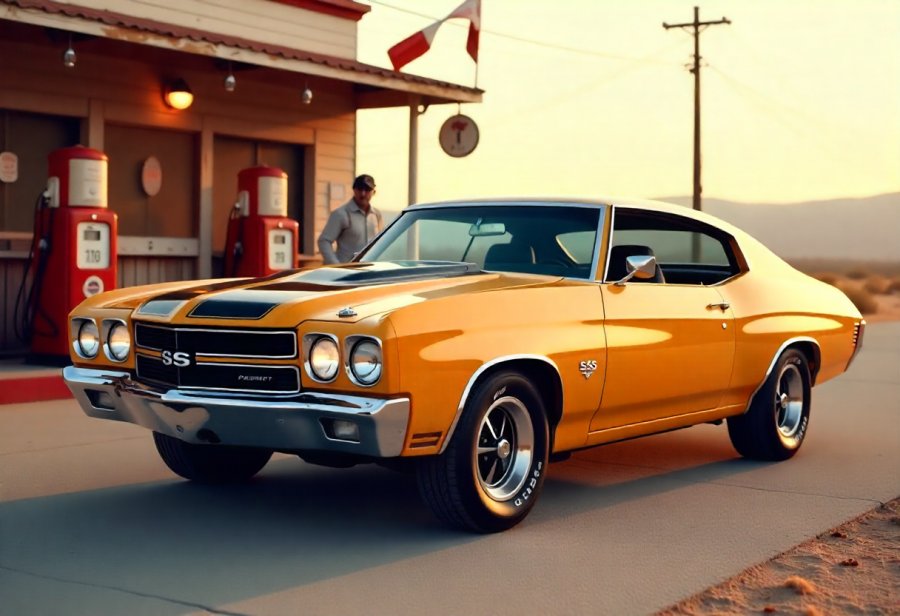
Legacy of the Chevrolet SS: A Testament to American Performance and Spirit
The Chevrolet SS of the 1970s stands as a powerful symbol of America’s muscle car heritage. Its bold design, roaring engines, and cultural impact highlight a time when performance and style were at the forefront of automotive innovation. This legacy reminds us of an era marked by rebellion, freedom, and a relentless pursuit of horsepower. These cars weren’t just transportation; they were expressions of personality and independence, embodying the daring spirit of American engineering.
The story of the Chevrolet SS is also a story of innovation. From its massive 454 big-block engine to its aggressive styling, it pushed the limits of what muscle cars could be. Its design—wide, muscular, and vibrant—was made to turn heads and deliver raw power at every turn. The sound of its engine roaring to life became an audible symbol of freedom and rebellion, resonating deeply within car culture and beyond. This combination of performance and attitude helped solidify its place in automotive history.
Beyond the technical prowess, the Chevrolet SS’s influence extends into modern car culture. Today, it continues to inspire new generations of enthusiasts and designers. Collectors prize well-preserved models, recognizing their rarity and historical significance. The ongoing interest in restoration and customization keeps the legacy alive, blending respect for tradition with modern ingenuity. This enduring appeal shows how deeply these cars have embedded themselves into the American automotive psyche.
Preserving and celebrating these vehicles is about more than nostalgia; it’s about safeguarding a cultural icon that represents American craftsmanship and rebellious spirit. Restoring and maintaining them requires dedication, resourcefulness, and a genuine passion for their history. Each restored Chevrolet SS adds a chapter to the ongoing story of American innovation, craftsmanship, and performance. Sharing these stories and passing down the knowledge ensures the roar of these classics continues to inspire future enthusiasts.
In the end, the Chevrolet SS’s legacy is a testament to the enduring power of American muscle cars. It embodies a golden age when speed, style, and attitude came together to create icons that still captivate today. Their influence persists not just through their roaring engines but through the community of enthusiasts committed to keeping their spirit alive. These cars remind us that true performance is about more than just numbers—it’s about culture, personality, and the unyielding pursuit of freedom on wheels.