Imagine transforming fear into freedom through the simple act of learning to swim at any age. This inspiring journey begins with small steps—dipping toes, practicing breath control, and gradually building trust in water—regardless of past anxieties. The process emphasizes patience, mental preparation, and supportive guidance, turning overwhelming feelings into empowering confidence. From supportive instructors to innovative tools like virtual reality and online coaching, the future of water confidence is becoming more accessible and inclusive for all ages. As water ceases to be a source of fear and becomes a space of joy and strength, many wonder: can anyone truly overcome their fears and embrace water’s endless possibilities? This journey isn’t just about mastering techniques; it’s about reshaping perceptions, fostering resilience, and discovering a lifelong source of health and happiness. The question remains—are you ready to take that first courageous step?
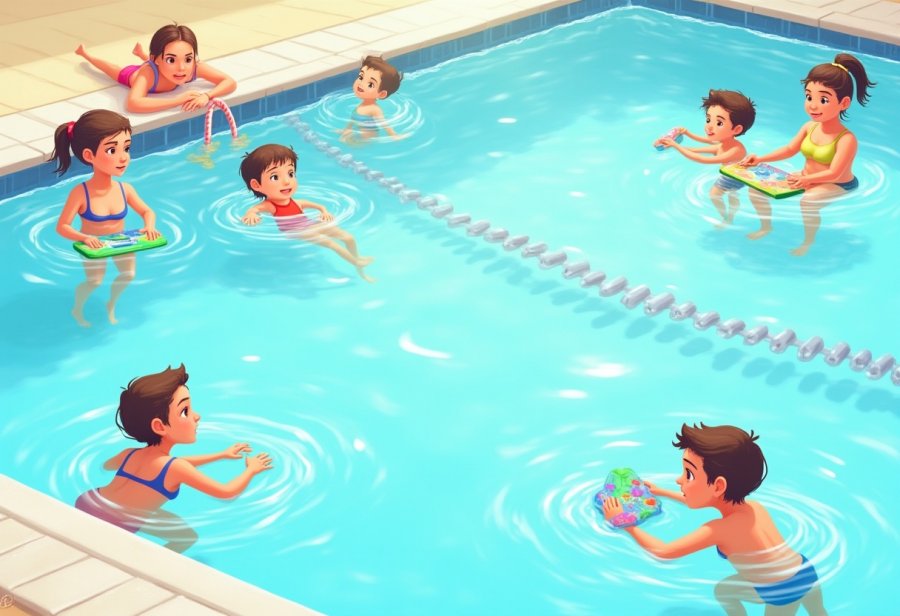
Transform Your Water Journey: Embrace Confidence at Any Age
Learning to swim is more than just acquiring a new skill; it’s a transformative experience that can boost confidence, improve safety, and open up a world of water-based enjoyment at any age. For many, water can feel intimidating—whether it’s a fear of drowning, vulnerability, or simply not knowing how to float. Starting from scratch might seem daunting, but taking that first step is often the most powerful move you can make toward overcoming those fears.
This journey begins with small, manageable actions—splashing in shallow water, practicing breathing, or floating with support. These moments are essential because they help you build familiarity and trust in water’s touch. As comfort grows, nerves diminish, and what once felt overwhelming becomes approachable. The process is about patience and persistence, turning initial discomfort into a sense of mastery and joy.
Learning to swim isn’t reserved for children or athletic types. It’s a skill accessible to everyone, regardless of age or experience. Many adults face their fears later in life and discover that water can be a space of freedom rather than anxiety. Each small victory—dipping your face in, floating, or swimming a few feet—reinforces your progress and deepens your confidence. Over time, water becomes less of an obstacle and more of a safe, inviting environment.
Building trust in your body and understanding your limits are key. It’s normal to feel hesitant or unsure at first, but with consistent effort, those feelings give way to curiosity and empowerment. Supportive instructors, realistic expectations, and celebrating small wins help sustain motivation and foster a positive mindset. Remember, everyone’s journey is unique, and progress unfolds at its own pace.
Ultimately, learning to swim is about more than just techniques; it’s about transforming your relationship with water. It’s about feeling safe enough to explore, enjoy, and even love being in the water. That first splash or float might seem minor, but it marks the beginning of a lifelong journey—one that can redefine how you see yourself and what you’re capable of.
No matter your age or background, it’s never too late to start. Many have faced their fears, learned to swim, and found a new sense of empowerment. These stories remind us that with patience, support, and a positive attitude, anyone can turn water from a source of anxiety into a space of confidence and joy. Every small step forward is a step toward a more confident, water-loving you.
Master Your Mindset: Foundations for Water Confidence
Building water confidence begins with shaping the right mindset. Approaching swimming as a skill anyone can learn helps reduce anxiety and sets the stage for steady progress. Believing that water skills are attainable fosters patience and resilience, which are essential when facing setbacks or slow days. Recognizing that everyone starts somewhere makes it easier to stay motivated and focus on your personal journey, rather than comparing yourself to others.
Developing mental frameworks is key. Start with gradual exposure: sitting at the pool’s edge, splashing your hands, or just getting your face wet. These small steps help you build familiarity and trust in the water, making each new experience less intimidating. Celebrating even minor successes, like floating unaided or holding your breath briefly, reinforces your confidence and encourages continued effort. Having a supportive instructor or trusted guide can make a big difference, providing reassurance and personalized feedback.
One Remarkable Day features a related article by Gwen Gibbs titled Empower Your Life: Learn to Swim at Any Age.
Visualization is another powerful tool. Before entering the water, picture yourself floating effortlessly or swimming smoothly. Creating these mental images calms nerves and sets a positive expectation. Pairing visualization with deep, relaxed breathing helps you stay calm during practice, making the process more enjoyable and less stressful. Over time, these mental habits transform fear into curiosity, fostering a mindset open to growth.
Mastering fundamental skills early on builds the foundation for water confidence. Learning to float, kick, and breathe rhythmically are essential. Simple exercises like blowing bubbles or submerging your face help demystify water and make it feel less foreign. Support tools such as kickboards and floaties offer stability and confidence, allowing you to focus on specific skills without feeling overwhelmed. As your comfort increases, gradually reducing these aids reinforces your independence.
Patience plays a crucial role. Everyone’s learning curve is different, and progress may be slow at times. Rushing can lead to frustration or even heightened fear. Instead, focus on consistent, small efforts—whether it’s floating for a few seconds or practicing breathing techniques daily. These small wins add up over time, building trust in your body and in your ability to navigate water safely.
Many fears stem from misconceptions or unfamiliarity with water. Understanding that everyone starts somewhere helps normalize the process. Even experienced swimmers had their doubts and setbacks. Reframing water as a safe, learnable environment fosters a positive attitude. Focusing on your own progress, rather than comparison, keeps motivation high and allows you to appreciate each step forward.
Ultimately, building confidence in water isn’t just about acquiring skills; it’s about transforming your entire relationship with water. When you see water as a space of safety and possibility, every splash and float becomes an act of empowerment. Cultivating a growth mindset, practicing patience, and celebrating small victories turn water from a source of fear into a place of freedom. This mental shift is what makes lifelong water confidence possible.
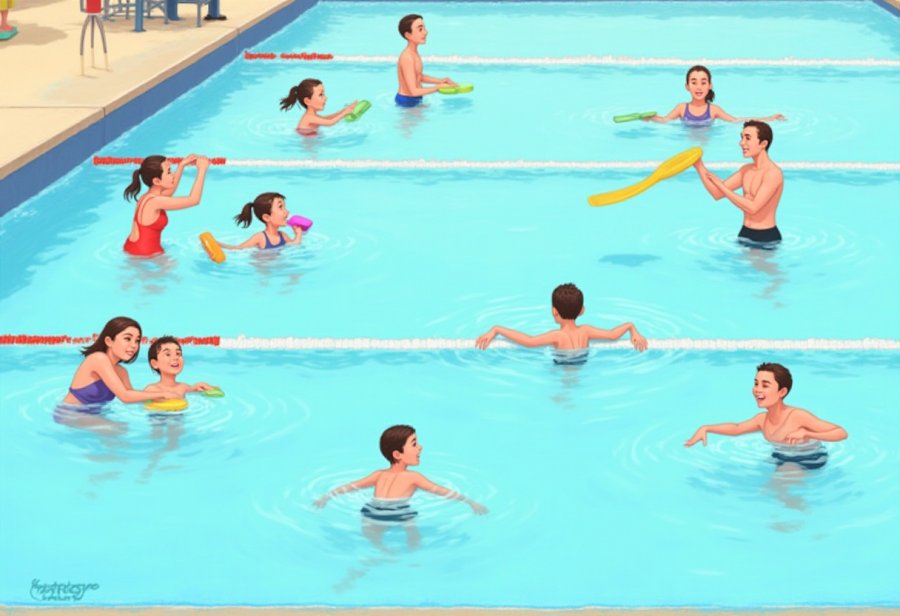
Smart Strategies for Swimming Success
Effective learning strategies are key to turning water fears into confidence, especially for those just starting out. Breaking down swimming into small, manageable steps makes progress feel achievable and keeps motivation high. Instead of trying to master everything at once, focus on fundamental skills like floating, kicking, and breathing. These basics build a solid foundation, making more complex techniques less intimidating and more approachable over time.
Pairing physical practice with mental techniques can accelerate your progress. Visualization, for instance, involves imagining yourself floating effortlessly or gliding through water smoothly before you even step in. This mental rehearsal creates a clear blueprint for success, calming nerves and reducing panic. Combining visualization with deep, relaxed breathing helps keep you centered during practice, making each session more enjoyable and less stressful.
Consistency is essential. Short, frequent practice sessions often outperform sporadic, longer ones. Repetition helps your body remember movements and fosters familiarity with water’s feel. Using support tools like kickboards, floaties, or fins provides stability and confidence early on. These aids serve as scaffolds, allowing you to focus on specific skills without feeling overwhelmed. As confidence grows, gradually reducing these supports reinforces your independence and mastery.
Seeking guidance from qualified instructors can make a significant difference. They bring valuable experience and tailored feedback that you can’t get practicing alone. A good instructor helps avoid common pitfalls—like rushing or pushing too hard—and offers encouragement that keeps you motivated. Their support ensures you’re practicing correct techniques, building confidence safely and effectively. Remember, mastering swimming is a journey best taken with expert guidance.
For a related discussion, review Malcolm Jones‘s article Transform Water Fear into Lifelong Confidence and Joy on Merlin German Wisdom.
Adopting a growth mindset transforms setbacks into opportunities. Mistakes or hesitations are natural parts of learning and signals that you’re pushing your boundaries. Patience and persistent effort, coupled with celebrating small wins, lead to steady progress. Water confidence isn’t built overnight, but consistent effort and a positive attitude turn each challenge into a stepping stone. With the right approach, each practice session moves you closer to feeling secure and comfortable in the water.
Taking the First Step: Practical Tips to Begin Your Swimming Adventure
Getting started with swimming might feel intimidating, especially if water triggers nerves or hesitation. The first step is to find a welcoming, clean pool that offers beginner-friendly environments. Look for facilities that provide classes or open swim hours where you can practice at your own pace with supervision. Wearing comfortable swimwear that allows freedom of movement, along with essentials like goggles, a towel, and support tools such as kickboards or floaties, can make your initial experiences more manageable.
Begin by taking small, simple actions to familiarize yourself with the water. Spend time sitting at the pool’s edge, dipping your toes in, or splashing your hands gently. These early steps help reduce anxiety and build a sense of comfort. Resist rushing into trying to swim right away; instead, focus on relaxing and observing how your body responds to water. Practice steady breathing and keep your muscles relaxed—these are key to making water feel less threatening and more inviting.
For additional context, refer to Unlock the Transformative Power of Learning to Swim at Any Age, an article by Jens Williams on The Shade of the Birch.
Support tools like floaties or kickboards act as confidence boosters in the beginning. They provide stability and help you feel secure while practicing floating or kicking. Using these aids allows you to focus on feeling safe and controlling your movements without the fear of sinking. As your comfort grows, gradually try to reduce reliance on these supports, which will encourage your independence and mastery of basic skills.
Patience is essential. Progress in water confidence doesn’t happen overnight, and setbacks are normal. Celebrate even small successes, like sitting in shallow water, blowing bubbles, or floating unaided. These moments are signs of real progress and help reinforce your trust in your abilities. Keep your sessions short and consistent—regular practice helps your body learn to navigate water more easily and builds familiarity.
Safety should always come first. Never attempt to swim alone when you’re just starting out. Having a buddy or instructor nearby ensures you can receive immediate support if needed. Familiarize yourself with the pool’s rules, depth markers, and safety procedures. Starting in shallow water where you can stand comfortably allows you to build confidence gradually without feeling overwhelmed. Each small step taken with care paves the way for more progress and enjoyment.
Remember, every effort counts. Building water confidence is a process that unfolds at your own pace. With patience, support, and a focus on small, achievable goals, you’ll find yourself feeling more relaxed and eager to explore the water. Over time, these initial steps transform into a foundation of trust and independence, making swimming a safe, enjoyable part of your life.
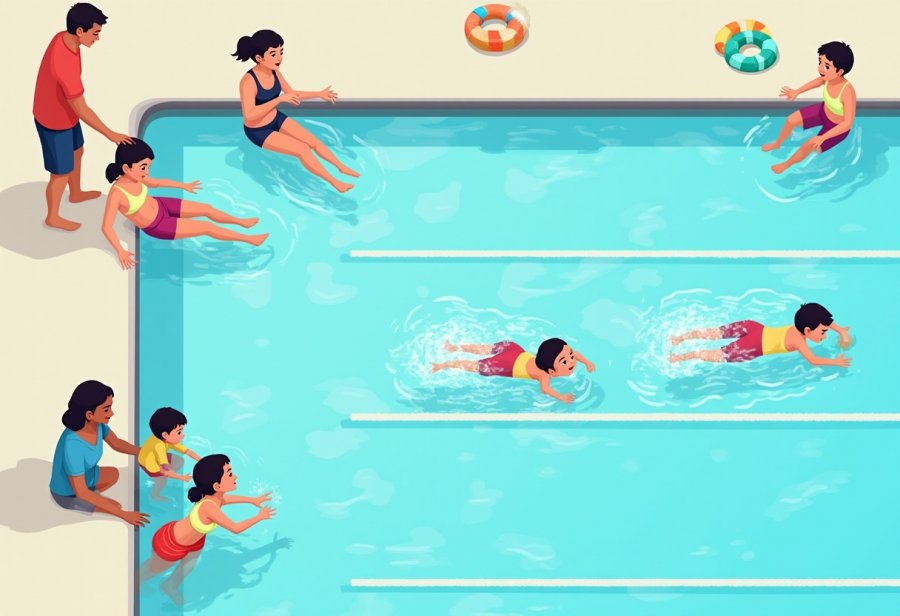
A Bright Future in Water Confidence: Trends and Opportunities
The future of swimming confidence is looking brighter than ever, driven by innovative technologies and a growing emphasis on inclusivity. Virtual reality tools are increasingly making their way into swim training, allowing beginners to familiarize themselves with water scenarios in a simulated environment before stepping into the pool. These virtual experiences help reduce initial fears and provide a gentle, confidence-building introduction that can make the leap into real water feel less daunting.
At the same time, online coaching platforms are expanding, offering personalized lessons and flexible schedules tailored to busy adults or those overcoming long-standing fears. These digital resources make water learning more accessible and adaptable, breaking down barriers of time and location. As a result, more people can embark on their water confidence journey at their own pace, without feeling rushed or overwhelmed.
Community programs are evolving to better serve learners of all ages, especially adults and seniors. They focus on creating supportive, beginner-friendly environments where everyone feels welcome. This shift recognizes that water confidence isn’t reserved for the young or athletic—it’s a lifelong skill that can be developed at any stage. The emphasis on safety, patience, and encouragement helps foster a culture where overcoming water fears becomes a shared, achievable goal.
Beyond technology and community efforts, awareness of the mental health benefits of swimming continues to grow. Stress relief, mood enhancement, and physical wellness are now recognized as vital reasons to learn and enjoy water. This broader understanding motivates more individuals to face their fears, knowing that swimming can be a powerful tool for overall well-being. As this mindset spreads, it encourages a more inclusive approach that celebrates progress over perfection.
The integration of water safety education into health and wellness initiatives is also expanding. Schools, workplaces, and community organizations increasingly promote water skills as part of lifelong health. This shift helps normalize learning to swim later in life, emphasizing that it’s never too late to start. It reinforces the idea that building water confidence is a continuous journey—one that evolves with your needs and circumstances.
Looking ahead, the focus will remain on making water confidence more accessible, engaging, and supportive. Advances in teaching methods, combined with technology and community outreach, will help dismantle the remaining fears and misconceptions about water. The goal is to create a future where feeling secure and comfortable in water is universal, regardless of age or background. As confidence grows, so does the potential for joy, adventure, and lifelong health—making swimming not just a skill, but a lifelong source of empowerment.