Transforming Toronto yards into eco-friendly retreats is a bold step toward harmonizing beauty with sustainability. As urban landscapes become more crowded, homeowners seek outdoor spaces that reflect personal style while supporting the environment. But how do we balance aesthetic appeal with ecological responsibility? The answer lies in thoughtful design rooted in native plants, water management features like rain gardens, and eco-conscious materials. Professional landscape experts emphasize a seamless integration of these principles through meticulous planning and precise execution, ensuring durability and ecological benefits. As climate challenges intensify, future-proof solutions such as smart irrigation and green infrastructure will become essential. Yet, the real question remains: can these innovative practices revolutionize urban living, turning yards into resilient ecosystems that enhance property value and city health? The journey toward sustainable landscapes is ongoing, inviting homeowners and communities to embrace responsible stewardship and shape Toronto’s greener, more vibrant future.
Transform Your Toronto Yard into a Beautiful, Eco-Friendly Sanctuary
Transforming a Toronto yard into a beautiful, sustainable outdoor retreat goes beyond simple landscaping; it’s about creating a space that reflects personal style while supporting the environment. As Toronto’s urban landscape becomes more crowded, outdoor spaces gain even more significance. They’re no longer just a patch of grass—they’re personal sanctuaries, places to relax, entertain, or grow your own vegetables. The goal is to craft yards that are both inviting and eco-friendly, blending aesthetics with responsibility.
Today’s homeowners want landscapes that mirror their tastes but also align with eco-conscious values. Choosing native plants that thrive naturally in Toronto’s climate reduces the need for excessive watering and chemical use, making maintenance easier and more sustainable. Incorporating features like rain gardens and permeable pavements helps manage stormwater naturally, preventing erosion and flooding while supporting local ecosystems. These thoughtful elements turn outdoor spaces into active contributors to urban ecological health.
Creating these retreats begins with understanding each yard’s unique conditions—soil type, sunlight exposure, drainage patterns—and working closely with homeowners to define their vision. Whether it’s a lush garden, a cozy fire pit, or a vegetable patch, every element is selected and designed to serve both aesthetic and environmental goals. Proper planning ensures that each feature is sustainable, durable, and tailored to the specific space and lifestyle.
Professional landscape design services in Toronto play a vital role in turning these ideas into reality. From the initial concept to installation, experts focus on integrating eco-friendly practices seamlessly. They use local resources, native plants, and eco-conscious materials to create outdoor spaces that are low-maintenance and visually stunning. The result is a yard that not only enhances property value but also contributes positively to the city’s ecological fabric.
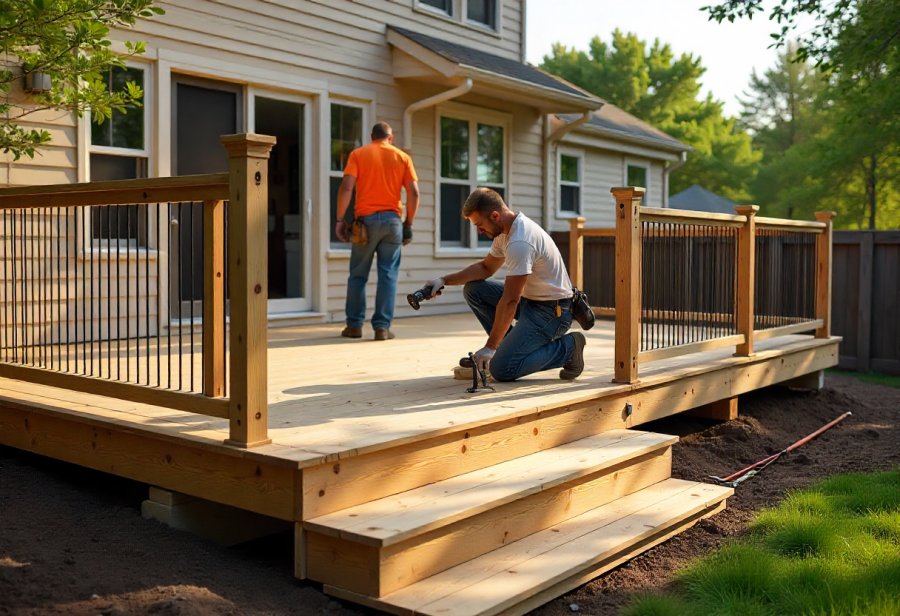
Execution is key. A well-managed installation process—covering proper grading, native plant placement, and the use of permeable hardscapes—ensures long-term success. Clear communication and meticulous oversight help prevent issues that could compromise the landscape’s health and resilience. When the process flows smoothly, homeowners enjoy a seamless transition from vision to reality, gaining a yard that’s both beautiful and sustainable.
Looking ahead, the importance of sustainable landscaping in Toronto becomes even clearer. These outdoor retreats help combat climate change impacts, support biodiversity, and reduce urban heat. As technology advances, features like rainwater harvesting and smart irrigation will become more common, making maintenance easier and more efficient. Embracing these innovations allows yards to stay vibrant and resilient in an ever-changing environment.
Ultimately, transforming Toronto yards into eco-friendly retreats is about more than aesthetics—it’s a commitment to a healthier, greener city. Thoughtful design, sustainable practices, and professional expertise combine to create outdoor spaces that enrich lives while protecting the planet. This approach ensures that each yard becomes a lasting asset, supporting both the community and the environment for years to come.
Core Principles That Define Sustainable Landscaping in Toronto
Sustainable landscaping begins with a set of core principles that prioritize both environmental health and visual appeal. At the heart of this approach is selecting native plants adapted to Toronto’s unique climate and soil conditions. These plants require less water, fewer fertilizers, and fewer pesticides, making them more resilient and easier to maintain. By relying on native species, homeowners support local ecosystems, providing food and habitat for native pollinators, birds, and insects, which helps maintain biodiversity within urban spaces.
Effective water management stands out as a fundamental element. Incorporating features like rain gardens, permeable pavements, and smart irrigation systems helps control runoff and conserve water. Rain gardens absorb excess stormwater, reducing erosion and flooding, while permeable surfaces allow water to seep naturally into the ground, easing pressure on city drainage. These strategies create landscapes that are both functional and eco-friendly, helping yards withstand weather extremes and minimize their environmental footprint.
Transform Your Yard Into a Sustainable Outdoor Retreat is one example of how Talia Adams approaches this topic on Rebekah Eternal Grace.
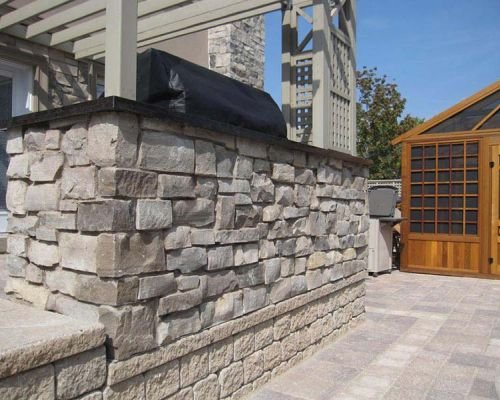
Using eco-conscious materials reinforces sustainable practices. Reclaimed wood, recycled stone, and biodegradable mulches not only reduce the demand for new resources but also add character to the landscape. Choosing locally sourced or recycled materials cuts down on transportation emissions and supports regional industries. These choices contribute to creating durable outdoor spaces that require less maintenance and are less harmful to the environment, without sacrificing aesthetic quality.
Designing for biodiversity enhances landscape resilience. Incorporating a variety of plant layers—ground covers, shrubs, and trees—attracts beneficial insects, birds, and pollinators. This diversity naturally controls pests and promotes a balanced ecosystem, reducing the reliance on chemical interventions. Native plants, in particular, thrive in Toronto’s environment and support a wide range of native fauna, transforming yards into vibrant habitats that contribute positively to urban ecological health.
Embedding these principles into every stage of landscape development ensures that outdoor spaces remain sustainable and resilient over time. From thoughtful plant selection to eco-friendly hardscape choices, each decision helps reduce water and chemical use while supporting local ecology. When these practices are consistently applied, they create beautiful, durable yards that require less ongoing effort, fostering a healthier environment and a more sustainable urban landscape.
Practical Steps and Best Practices for Eco-Conscious Garden Transformation
Executing a sustainable landscape project in Toronto demands a well-organized approach that balances thoughtful design with practical execution. It begins with a detailed site analysis to understand soil conditions, sunlight exposure, drainage patterns, and existing features. This foundational step guides decisions on native plant selection, eco-friendly materials, and hardscape placement, ensuring every element is suited to the specific environment. Developing a clear plan with realistic timelines and milestones keeps the project on track, minimizes surprises, and maximizes resource efficiency.
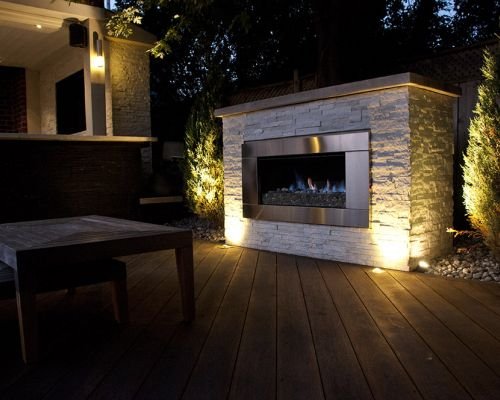
Choosing the right materials and plants is crucial for long-term success. Native plants, adapted to Toronto’s climate, require less water, fewer fertilizers, and minimal chemical treatments. When installing hardscapes, opting for permeable options such as recycled brick, gravel, or reclaimed stone allows rainwater to naturally infiltrate the ground, reducing runoff and erosion. Proper grading and strategic placement during installation direct water away from structures and toward planted areas, supporting the landscape’s health and durability.
Eco-friendly practices should be integrated at every stage. Sourcing recycled and locally produced materials minimizes environmental impact, while features like rain gardens and bioswales help manage stormwater naturally. These elements not only improve resilience but also add visual appeal and ecological value. Close collaboration among designers, contractors, and clients from the outset ensures everyone shares the sustainability goals, streamlining communication and avoiding costly revisions later.
For additional context, refer to Turning Toronto Yards into Dream Retreats: Beauty Meets Sustainability and Satisfaction, an article by Fred Morgan on Roof Top Picnic.
During installation, routine inspections and quality checks are essential. Early detection of issues—such as incorrect plant placement or drainage problems—prevents long-term setbacks. Attention to detail, like ensuring native plants are correctly rooted and hardscapes are properly compacted, guarantees the durability and functionality of the landscape. Hands-on oversight during this phase preserves the integrity of the design and ensures that eco-friendly features perform as intended.
After project completion, a thorough walkthrough with the homeowner helps confirm satisfaction and addresses any concerns. Providing clear guidance on ongoing maintenance—such as watering schedules, pruning, and mulching—extends the lifespan of sustainable features. Educating clients about proper care encourages active participation, helping to preserve the landscape’s health and beauty over time. When maintenance is prioritized, the yard remains resilient, visually appealing, and environmentally responsible for years to come.
Applying Innovation Today and Embracing Future Trends in Sustainable Landscaping
Applying sustainable landscaping principles in Toronto today is about embracing innovation and staying adaptable to future trends. Homeowners and designers who prioritize eco-friendly practices—like native plantings, water conservation, and eco-conscious materials—are already experiencing the benefits of more resilient, low-maintenance yards. As climate patterns shift, features such as drought-resistant plants and rainwater harvesting systems will become essential tools for maintaining healthy outdoor spaces. Keeping up with emerging technologies and ecological insights allows for smarter design choices that can evolve over time, ensuring landscapes remain sustainable and vibrant despite environmental challenges.
Starting with small steps makes a big difference. Homeowners can experiment with native plants or install rain gardens to see immediate benefits and build confidence in eco-friendly practices. Consulting professionals who specialize in sustainable landscaping provides tailored advice suited to specific yards, helping to identify the most effective upgrades. For designers, integrating smart irrigation systems and climate-resilient plant palettes streamlines ongoing maintenance and opens the door for future enhancements. This proactive approach creates a foundation that can easily incorporate new innovations as they develop.
Looking ahead, green infrastructure and smart technology are poised to transform outdoor spaces in Toronto. Green roofs, modular rainwater harvesting, and urban green corridors will not only elevate aesthetics but also improve ecological resilience. Advances in remote monitoring and automation will make yard care more efficient, reducing waste and conserving resources. As awareness of ecological issues grows, more homeowners will seek landscapes that support pollinators, sequester carbon, and reduce runoff—turning yards into active ecological assets rather than passive spaces.
Staying informed about the latest practices and innovations remains crucial. Attending workshops, exploring online resources, and engaging with community groups focused on sustainability help keep knowledge current. Collaboration among homeowners, landscape professionals, and local organizations fosters creative solutions tailored to Toronto’s unique climate and urban environment. This continuous learning ensures sustainable landscaping keeps pace with technological advances and ecological insights, making every project a step forward.
Proven Strategies to Create Stunning, Sustainable Outdoor Retreats is one example of how Ophie Nelson approaches this topic on Sit Tight Now.
Designing landscapes with flexibility in mind is increasingly important. Incorporating modular features and scalable solutions allows homeowners to upgrade or modify their yards over time without starting from scratch. This approach not only extends the lifespan of outdoor spaces but also encourages ongoing ecological stewardship. It enables residents to respond to evolving environmental conditions, personal needs, or new ideas, making sustainability an ongoing process rather than a one-time achievement.
Community involvement plays a vital role in shaping Toronto’s greener future. As more residents adopt eco-conscious yards, neighborhood initiatives like rain gardens or shared composting programs amplify individual efforts. These collective actions foster a sense of shared responsibility and pride, transforming sustainability into a community-wide goal. Over time, these efforts create neighborhoods that are healthier, more vibrant, and better equipped to face environmental challenges together.
The broader urban landscape will increasingly support sustainable practices through city policies, incentives, and infrastructure investments. Programs promoting native planting, permeable pavements, and green infrastructure will make eco-friendly options more accessible and widespread. Embedding these priorities into urban planning encourages a cultural shift toward environmental responsibility, ensuring new developments and renovations prioritize ecological health alongside aesthetic and functional qualities. This integrated approach helps turn Toronto into a more resilient, sustainable city where outdoor spaces serve as vital ecological and social assets.
Looking Ahead: The Future of Eco-Friendly Outdoor Spaces in Toronto
Looking ahead, sustainable landscape design in Toronto is poised to become even more innovative and integrated with ecological priorities. Features like modular rainwater harvesting systems, green roofs, and urban green corridors are gaining traction, helping neighborhoods better manage stormwater and combat the urban heat island effect. These solutions do more than beautify—they strengthen ecological resilience and create healthier outdoor environments. As technology advances, tools like smart irrigation and remote monitoring will make maintaining eco-friendly yards easier, reducing waste and conserving resources while keeping landscapes vibrant.
The shift toward ecological responsibility is reshaping homeowner priorities. Native plants, low-impact materials, and water conservation will no longer be optional but essential components of a resilient yard. These choices support pollinators, improve biodiversity, and help sequester carbon, transforming outdoor spaces into active ecological assets. This movement reflects a broader understanding that beautiful landscapes are also vital tools for climate adaptation and ecological health.
Staying current with emerging practices remains vital. Workshops, online courses, and community initiatives dedicated to sustainability foster ongoing learning. Collaborations among residents, designers, and environmental organizations can lead to innovative, locally adapted solutions that address Toronto’s unique climate challenges. Continuous education ensures that sustainable landscaping evolves alongside technological breakthroughs and ecological insights, maintaining relevance and effectiveness over time.
Designing with flexibility in mind will be increasingly important. Modular features and scalable solutions allow homeowners to upgrade or adapt their yards without starting from scratch. This approach extends the lifespan of outdoor spaces and encourages ongoing ecological stewardship. It makes it easier to respond to changing environmental conditions, personal needs, or new innovations, turning sustainability into a continuous journey rather than a fixed goal.
Community involvement plays a crucial role in shaping Toronto’s greener future. As more residents adopt eco-conscious yards, neighborhood initiatives like shared rain gardens or composting programs amplify individual efforts. These collective actions cultivate a sense of shared responsibility, fostering pride and resilience across communities. Over time, this collaborative spirit transforms neighborhoods into vibrant ecosystems that benefit both people and nature.
City policies and incentives will further support sustainable practices. Programs promoting native planting, permeable pavements, and green infrastructure are making eco-friendly options more accessible. Incorporating these priorities into urban planning encourages a cultural shift, embedding ecological responsibility into the fabric of city development. This integration ensures that future growth respects environmental limits while enhancing urban livability.
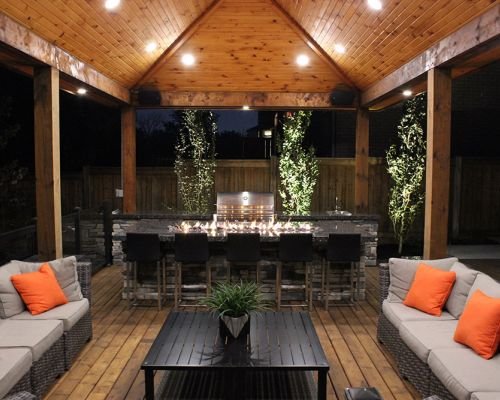
As outdoor spaces evolve, the focus will remain on creating environments that balance beauty, functionality, and ecological health. Integrating cutting-edge technology with proven ecological principles allows yards to serve as mini ecosystems—supporting pollinators, managing stormwater, and reducing carbon footprints. This holistic approach ensures that every outdoor retreat can be both a personal sanctuary and a vital part of Toronto’s ecological fabric.
By embracing innovation and fostering community engagement, Toronto’s landscapes will continue to grow more sustainable and resilient. These outdoor spaces will not only enhance property values but also contribute to a healthier city for generations to come. The future of landscape design lies in thoughtful, adaptive practices that respect the environment while providing beauty and functionality, turning every yard into a lasting asset for the community and the planet.