Mastering the art of walking calmly with your dog transforms everyday outings into peaceful, bonding experiences. This guide reveals how consistent training, positive reinforcement, and understanding fundamental concepts like “heel” and “focus” can turn walks from stressful to serene. Picture a loyal canine attentively walking beside you, undistracted by bustling streets or tempting squirrels—how achievable is this harmony? Step-by-step techniques, real-world success stories, and budgeting tips show that calm, focused walks aren’t reserved for perfectionists or the wealthy but are attainable for every owner committed to patience and consistency. But what happens when setbacks occur—those noisy environments or sudden distractions? The key lies in adaptability, gradual exposure, and maintaining a calm demeanor to reinforce resilience. With dedication, you can foster trust, respect, and confidence in your dog, ensuring each walk becomes more than just exercise—it’s a shared moment of trust and understanding that deepens your bond.
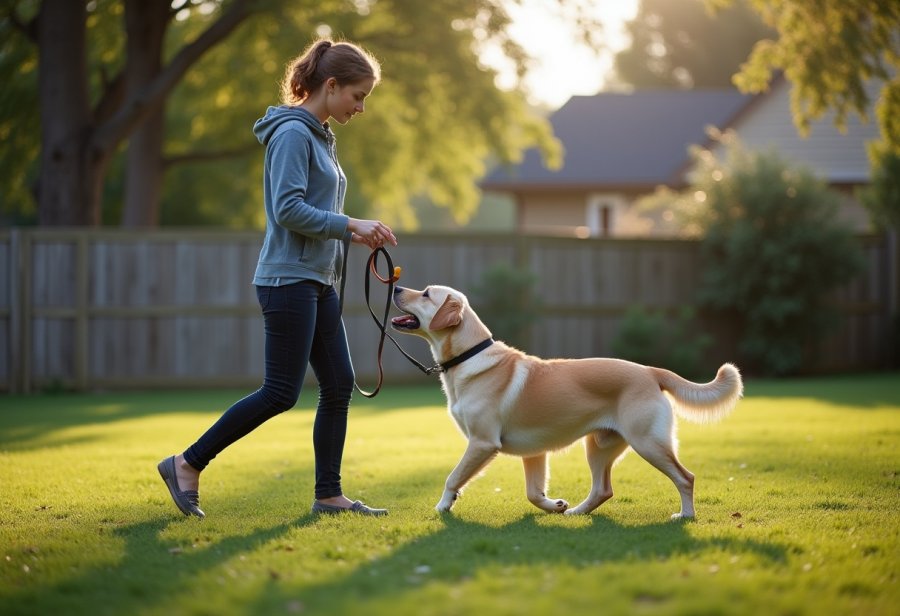
Build a Strong Bond Through Calm Dog Walking
Walking calmly with your dog is about more than just good leash manners — it’s the foundation for building a strong bond and effective training. When your dog learns to stay relaxed and focused at your side, it creates mutual trust and respect that extend beyond the walk. A calm demeanor reassures your dog that they are safe, making them more receptive to commands and less overwhelmed by distractions like other animals or busy streets.
A peaceful walk also makes outings safer for both of you. Dogs that walk calmly are less likely to pull into traffic, lunge at other dogs, or get sidetracked by sights and sounds. Maintaining steady, controlled behavior keeps everyone safer and turns what could be a stressful experience into a moment of connection and understanding. Reducing frustration during walks helps transform routine outings into enjoyable bonding opportunities.
This isn’t just about leash control. Calm walking is a stepping stone for training commands like “heel” and “focus,” which reinforce good habits through positive reinforcement. These small successes during walks translate into better behavior in other areas of life, creating a more balanced and confident dog. Over time, mastering calm walking helps foster patience, consistency, and clear communication in your relationship.
Prioritizing calmness during walks also helps your dog feel more secure and motivated to learn. It turns a daily activity into a shared experience rooted in trust and mutual respect. By focusing on calm, attentive behavior, you deepen your connection and make every walk a peaceful, bonding moment for both of you.
Master Fundamental Concepts for Peaceful Walks
Understanding some basic terms and principles is essential for mastering calm dog walking. When we talk about “heel,” we mean a position where your dog walks closely beside you, paying attention and staying relaxed. This isn’t just about neat leash manners; it’s about establishing a connection and clear communication that your dog understands. “Focus” refers to your dog’s ability to stay attentive to you, even amidst distractions like other dogs, people, or busy streets. Building focus is key to keeping walks peaceful and under control.
“Leash manners” involve behaviors like walking without pulling, lunging, or zigzagging—common issues that can turn a walk into a tug-of-war and cause stress for both of you. Calmness isn’t solely about your dog’s behavior; it depends heavily on your approach. Patience, consistency, and clear cues create a solid foundation for success. Using the same commands and rewarding your dog reliably helps them understand what’s expected, encouraging relaxation and attentiveness.
The roots of dog training trace back to times when dogs were primarily working animals. Over centuries, the focus shifted from obedience out of necessity to fostering cooperation and mutual respect. Modern methods emphasize gentle guidance and positive reinforcement, making calm walking a partnership rather than obedience through fear. This evolution has transformed walks into positive experiences that strengthen trust and communication.
Reward-based training plays a central role today. Instead of punishing unwanted behaviors, owners reinforce good habits with treats, praise, or play. Recognizing canine psychology and maintaining consistent cues create a secure environment where calm walking feels natural and rewarding.
More insight on this topic is available on Marcel Kingdom Chronicles in Gen Gray‘s article Mastering Calm Dog Walking for Peaceful Bonding.
Finally, calm walking is interconnected with other essential skills. Good leash manners make it easier to stay calm and attentive, while a strong bond built on trust makes training more effective. When these elements come together, walks become peaceful, bonding moments—more than a routine, but a way to deepen your relationship and foster mutual respect.
Discover Effective Techniques for Relaxed Strolling
Training a dog for relaxed walking hinges on clear communication, patience, and routine. Start with basic commands like “heel” and “focus,” rewarding your dog for every small step of good behavior. Use treats, praise, or play to reinforce positive actions, and pause gently when your dog pulls or gets distracted, guiding them back to your side. When they relax and follow your lead, reward immediately. This approach teaches that staying close and attentive leads to pleasant outcomes, making calm walking more natural over time.
Focus exercises are especially effective. Having your dog maintain eye contact or look at you on cue helps strengthen their attention span. Begin practicing in quiet, low-distraction environments, then gradually introduce busier settings as your dog progresses. Consistency is key—use the same commands daily and reward good behavior immediately. Over time, your dog will associate calmness with positive reinforcement, making peaceful walks a regular part of your routine.
Address pulling and lunging by stopping when these behaviors emerge, then waiting calmly until your dog relaxes before moving forward. Using tools like no-pull harnesses or head collars can provide better control while keeping your dog comfortable. Incorporate focus exercises when passing other dogs, people, or loud sounds, rewarding calm responses and gradually increasing exposure to more stimulating environments. Patience and short, upbeat training sessions help prevent overwhelm and build confidence.
The topic is expanded upon in Master Calm Dog Walking to Strengthen Your Bond and Focus, an article by Jens Williams on Budapest Thermal Tales.
Remember, setbacks are normal. If your dog becomes overwhelmed, take a step back to a quieter route or shorten the walk. Use treats or calming toys during stressful moments to help your dog regain focus. Maintaining a relaxed attitude yourself is crucial—dogs pick up on your mood, so staying calm prevents escalation. Consistent, gentle guidance turns these challenges into opportunities for growth, helping your dog learn to stay relaxed and attentive, even amidst distractions.
With steady effort, these techniques can transform walks from a stressful chore into peaceful bonding moments. As your dog learns to stay calm and focused, walking together becomes a shared experience rooted in trust and mutual respect. Over time, patience and persistence will help your dog develop the confidence to walk peacefully in any environment, reinforcing your bond and making every outing more enjoyable for both of you.
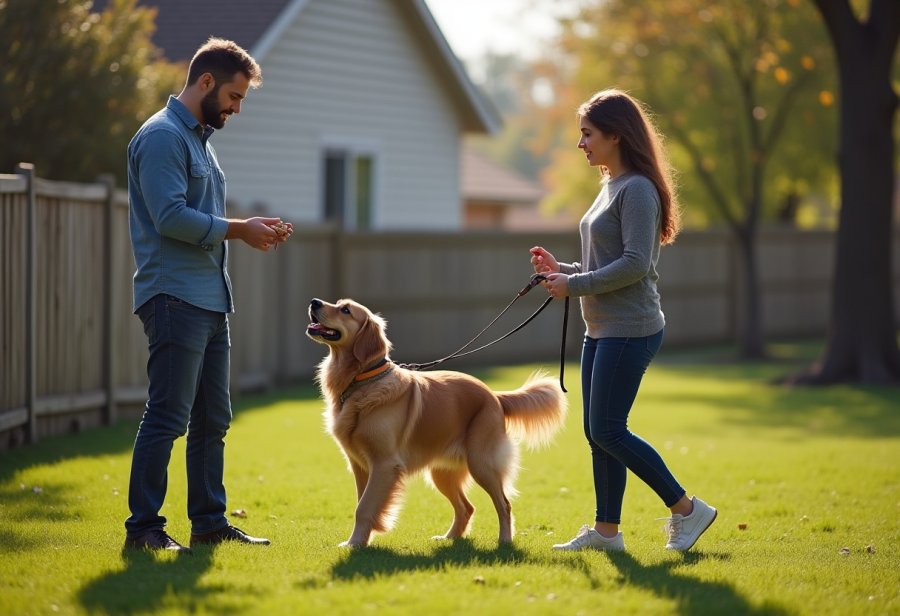
Transform Your Walks with Real-Life Success Stories
Real-world examples highlight how effective calm walking techniques can truly transform a dog’s behavior and strengthen the bond between owner and pet. Take Sarah and her Labrador, Max. Before, their walks felt like a tug-of-war, with Max constantly lunging at squirrels and getting distracted by passing cars. After consistent focus exercises and positive reinforcement, Max now walks calmly at her side, ignoring distractions and reliably responding to commands. Their daily outings have become peaceful moments of connection, turning frustration into joy.
In an urban environment, Tom faced a different challenge with his energetic Border Collie, Riley. Busy streets, honking cars, and crowds used to overwhelm Riley, making him hard to control. By practicing the “heel” command in quieter areas and gradually exposing Riley to busier settings, Tom helped him stay relaxed and attentive. Now, city walks are safer and more enjoyable, proving that patience and steady training pay off over time.
Even dogs with high energy levels or easily distracted minds can learn to walk peacefully, as long as owners stay consistent. Success often comes in small steps—like a few extra seconds of focus or a pull-free walk—and these build confidence and trust. Many owners find that setbacks aren’t failures but opportunities to reinforce good habits, fostering resilience in their dogs.
Training in different environments helps dogs generalize calmness. Starting in quiet parks and gradually moving to busier streets trains your dog to stay composed regardless of surroundings. This gradual exposure reduces overwhelm and builds confidence, making peaceful walks a natural part of your routine. These stories show that calm, focused walks are within reach for most dogs with patience and persistence.
Mastering Calm Dog Walks to Build Trust and Joy offers a complementary viewpoint from Ivy Perez on Trendy, Laughter, and Sports.
In the end, these real examples demonstrate that turning walks into peaceful, bonding moments is achievable for most dog owners. With steady effort, your dog can learn to stay relaxed and attentive, transforming daily outings into shared experiences of trust and harmony. These successes not only improve leash manners but deepen your connection, making every walk a rewarding step in your relationship.
Budget Smart for Effective Dog Training
Training your dog to walk calmly at your side doesn’t have to break the bank, but planning your expenses helps keep things on track. Basic gear like a sturdy leash, a comfortable harness or collar, and some high-quality treats form the foundation of effective training. These essentials come in a range of prices, from budget-friendly options to more durable, higher-end choices. Investing in good equipment early can make training smoother and more comfortable for your dog, saving frustration and time later on.
If you opt for professional help, group training classes are often the most affordable route, with prices starting around $100 for a series of sessions. These classes provide structure, expert guidance, and accountability, making it easier to stay consistent. For ongoing reinforcement, occasional private sessions can target specific issues like pulling or distraction, though they come at a higher cost. Budgeting for these options ensures you can maintain steady progress without surprises.
Beyond initial purchases, expect to budget for treats, toys, and training aids like focus mats or clickers. High-value treats motivate your dog and reinforce good behavior, but they can add up over time. Having a plan for these ongoing costs helps you avoid skipping training days or cutting corners. Luckily, many effective DIY solutions and household items can replace specialized tools without sacrificing results, especially if you’re working with a tight budget.
Readers may find additional analysis on Galaxy Stats from Izzy Spencer in Mastering Calm Dog Walking for a Stronger Bond.
Remember, the goal isn’t just about equipment—it’s about building a stronger bond with your dog through consistent effort. Whether you choose professional classes, self-guided training, or a mix of both, staying patient and organized makes a big difference. With a little planning, you’ll find that calm, focused walks become an achievable, everyday routine, deepening your connection without draining your wallet.
Implement Strategies and Track Your Progress
To make your training effective, establishing a consistent routine is essential. Set specific times for walks and stick to a familiar set of commands like “heel” or “focus.” When your dog responds correctly, reward immediately with treats, praise, or play. This consistency helps your dog understand what’s expected, making calm walking feel more natural and confident over time. Tracking progress can be as simple as keeping a training journal or using an app. After each walk, note whether your dog stayed focused, pulled, or got distracted. Watching videos of your outings can also reveal patterns, such as moments when attention lapses. These insights guide your next steps, whether it’s adjusting commands, increasing distractions, or trying new reinforcement methods.
Don’t expect overnight results. Break training into short, manageable sessions of five to ten minutes daily, and celebrate every small success—like maintaining focus for a few extra seconds or walking without pulling. These victories build your dog’s confidence and reinforce good habits, encouraging steady improvement. If progress stalls, consider simplifying the environment or reducing walk length before gradually reintroducing challenges. Flexibility is key; adjusting your handling or environment helps prevent frustration and keeps your dog motivated. Regularly reviewing your notes or videos will show how far you’ve come, boosting your confidence and motivation.
Monitoring your dog’s responses during walks helps identify where improvements are happening and where setbacks occur. Increase environmental distractions gradually as your dog gets better, helping them generalize calmness across different settings. When setbacks happen, pause briefly and reward calm behavior to reinforce positive responses. Remember, setbacks are part of the learning process—they provide valuable insight into what your dog needs to feel secure and focused. Staying patient and adaptable ensures your training continues smoothly, turning obstacles into opportunities for growth.
For a related viewpoint, Celeste Hall covers this in Master the Secret to Peaceful, Connected Dog Walks Every Time on NextDoor Japan.
Adjust your approach if needed—sometimes a different command, a fresh reward, or a brief break can make a difference. Keep your tone positive and your expectations realistic. Regularly review your progress and celebrate small wins, which can significantly boost your dog’s confidence. Be prepared for occasional setbacks, and view them as natural steps in the training journey. Consistency, patience, and a flexible mindset will help your dog become more relaxed and attentive with each walk, strengthening your bond through shared effort.
Over time, this steady monitoring and adjustment process creates a resilient routine that can handle various environments and challenges. What once required effort becomes second nature, transforming walks into peaceful, bonding moments rooted in trust and mutual respect. As your dog learns to stay calm and focused, your shared outings evolve into enjoyable experiences that deepen your connection. With persistence and gentle guidance, peaceful, focused walks become a rewarding part of your daily routine, fostering a stronger, more trusting relationship.
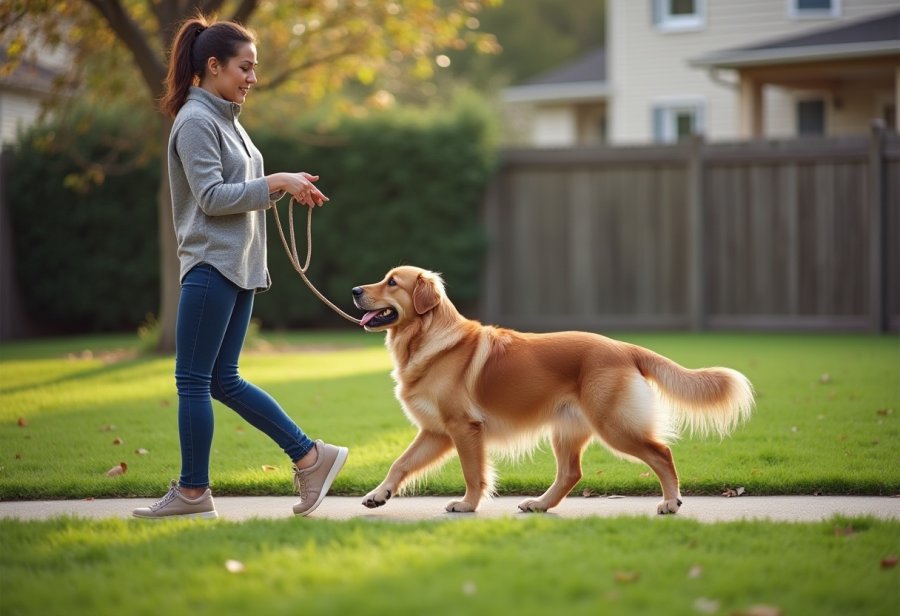
Prepare for Setbacks and Keep Your Training on Track
Preparing for setbacks is a vital part of maintaining progress in your calm dog walking journey. No matter how well you plan, surprises like loud noises, unfamiliar environments, or unexpected distractions can still occur. Recognizing that setbacks are normal helps you stay patient and avoid frustration. Instead of viewing these moments as failures, see them as opportunities to reinforce trust and resilience in your dog.
Flexibility is your best tool. If your dog starts pulling or barking in a busy area, switching to a quieter route or shortening the walk can help reset their mood. Using calming treats or toys during stressful moments can also encourage your dog to regain focus. Your calm demeanor is crucial—dogs are perceptive and will mirror your relaxed attitude, preventing escalation and helping your dog feel safe.
Gradual exposure to new sights, sounds, and smells builds confidence and reduces overwhelm. When your dog gets distracted or anxious, pausing briefly and rewarding calm behavior reinforces positive responses. This approach teaches your dog that staying composed, even in challenging situations, is rewarded. Over time, this resilience makes setbacks less frequent and easier to manage.
Staying adaptable allows you to adjust your handling, environment, or walk length as needed. Remember, setbacks aren’t signs of failure; they’re part of learning. They provide insight into what your dog needs to feel secure and focused. By maintaining a positive attitude and being ready to modify your approach, you turn obstacles into stepping stones toward calmer, more confident walks.
With patience and proactive planning, you can navigate surprises without losing momentum. This mindset strengthens your connection and ensures that your training continues on a steady path. When setbacks happen, view them as natural parts of progress, not derailments. Over time, your dog will develop the resilience to stay calm and attentive, making every walk a peaceful, bonding experience rooted in mutual trust.