Learning to ride a bike is more than mastering a physical skill; it’s a profound milestone that encapsulates courage, independence, and family bonds. Yet, does the fear of falling outweigh the thrill of newfound freedom? This journey involves balancing emotional resilience with physical coordination, as children navigate setbacks and triumphs supported by caring adults. With each wobble and fall, they learn that perseverance and patience lead to confidence and self-reliance. Across cultures and communities, riding symbolizes growth and connection, evolving through innovations that make learning safer and more accessible. As families celebrate small victories, they forge lasting bonds, turning every ride into a joyful shared adventure. With future advancements promising even broader access and safety, the question remains: will the natural fear of failure ever be overshadowed by the exhilarating promise of independence? Learning to ride remains a timeless emblem of growth—an odyssey from wobbling beginnings to soaring on two wheels.
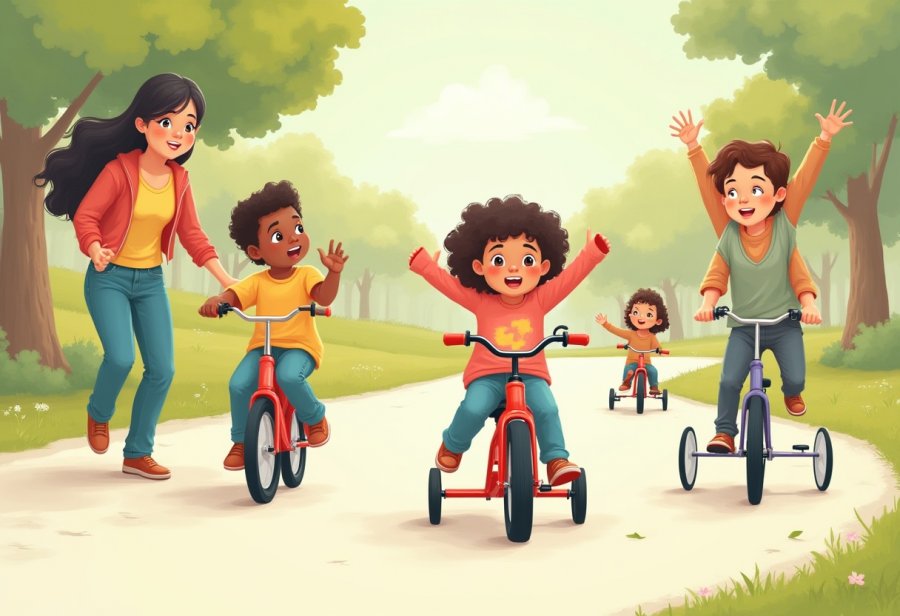
Learning to Ride a Bike: A Milestone of Courage and Connection
Learning to ride a bike is more than just picking up a new skill; it’s a milestone that resonates deeply with themes of courage, independence, and family connection. For children, that first wobbling attempt on two wheels marks a moment of transformation—where nervousness mixes with excitement, and every small success feels like a giant leap forward. It’s in these moments that families come together, offering support and encouragement, turning a challenging task into a shared adventure that leaves lasting memories.
This process isn’t just about physical coordination; it’s also a powerful emotional journey. Kids learn to balance not only on their bikes but also within themselves—managing fears of falling and setbacks along the way. When parents or caregivers show patience and reassurance, they help transform moments of doubt into confidence. These shared efforts foster a sense of security that encourages children to keep trying, even when progress feels slow or setbacks happen.
Learning to ride a bike symbolizes much more than mobility. As children master balancing and pedaling, they start to see themselves capable of exploring the world around them. The small victories—like staying upright or riding a few meters unaided—become symbols of independence and self-reliance. These early achievements teach kids that failure isn’t final but part of the growth process, building resilience that extends into other areas of their lives.
Fears about falling or getting hurt are natural and common, especially for young learners. Supportive families recognize these fears and help children navigate them without pressure. Creating a safe environment—using protective gear, practicing in calm spaces, and celebrating small successes—turns the learning experience into a positive, confidence-boosting journey. When children feel cared for and supported, they’re more willing to take risks and embrace the challenge of riding.
This shared experience of learning to ride a bike also strengthens family bonds. Whether it’s a quick practice session in the backyard or a leisurely ride through the park, these moments foster teamwork and create joyful memories. Celebrating small milestones together reinforces that effort and persistence matter more than perfection. When families focus on enjoyment and progress, children develop a love for cycling that can last a lifetime.
Ultimately, learning to ride a bike teaches children patience, perseverance, and trust—values that serve them well beyond childhood. Overcoming fears and mastering balance become lessons in resilience, showing kids that setbacks are just stepping stones to success. These early experiences shape how children approach challenges, instilling confidence and independence that extend into their broader lives.
As families and communities continue to support children on their biking journey, the significance of this milestone only deepens. It’s a symbol of growth, a shared adventure, and a gateway to newfound freedom. When children learn to ride, they don’t just master two wheels—they unlock a world of possibilities, guided by the love and encouragement of those around them.
The Origins and Cultural Significance of Learning to Ride
Learning to ride a bike has roots that stretch across many cultures and societies, reflecting its significance beyond just a physical skill. When bicycles first appeared in the 19th century, they revolutionized transportation and transformed daily life. In Western countries, teaching children to ride became a key milestone—symbolizing their step into independence and self-reliance. It marked a transition from dependence to exploration, a universal theme that resonates across borders.
But the story of learning to ride isn’t limited to the West. In many parts of the world, bicycles are essential tools for daily routines, providing affordable access to education, work, and social interactions. In these communities, learning to ride often involves family gatherings or neighborhood celebrations, turning the act into a shared cultural experience. These moments foster bonds across generations, emphasizing that riding a bike is woven into the fabric of everyday life.
Over time, teaching methods have evolved alongside safety concerns and technological advances. Early on, parents and instructors relied on physical support—holding handlebars or guiding small bodies along open spaces. Today, innovations like balance bikes, training wheels, and protective gear make learning safer and more accessible. These tools help children develop confidence gradually, easing the transition from wobbling to smooth riding and making the process less intimidating.
Attitudes toward risk also shape how different cultures approach learning to ride. Some societies encourage children to take risks as part of growth, fostering resilience from a young age. Others emphasize safety and caution, which can sometimes lead to hesitation. Supporting children with patience and reassurance helps turn fear into excitement, making the journey of learning to ride a positive and empowering experience.
The cultural importance of cycling extends beyond individual achievement. It embodies values like independence, resilience, and community connection. As more communities recognize these ideals, efforts to promote inclusive, safe, and fun ways for children to learn to ride continue to grow. Technological innovations and societal shifts are making cycling more accessible, ensuring that children everywhere can experience the freedom and joy that come with mastering two wheels.
Celebrating the Transformative Power of Learning to Ride a Bike, published on Freya Ancient Magic by Nina Carter, examines this idea further.
These stories and traditions highlight that learning to ride a bike is more than just a skill—it’s a rite of passage that captures the spirit of adventure and the importance of support across cultures. Whether in bustling urban streets or quiet rural landscapes, the act of learning to ride remains a universal symbol of growth, connection, and moving forward.
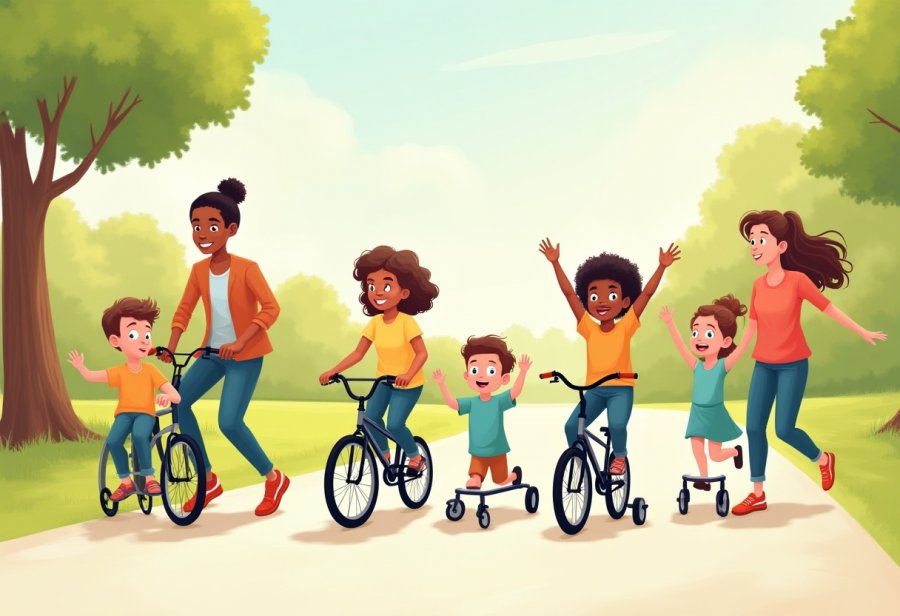
Step-by-Step Breakdown: Emotions and Skills in Bike Learning
Learning to ride a bike is a journey that unfolds through distinct yet interconnected stages, blending physical skills with emotional growth. It often begins with balancing—kids start on balance bikes or in open, flat spaces to get comfortable staying upright. This initial step is crucial because it builds confidence and helps children understand their bodies’ responses to balancing on two wheels. When they succeed here, they gain a sense of control that motivates them to push further.
Next comes pedaling, which introduces coordination and momentum. Support from parents or instructors becomes essential at this stage to prevent falls and boost confidence. Gentle guidance, like holding the seat or offering encouraging words, allows children to focus on the mechanics without fear. As mastery over pedaling grows, kids start feeling more independent on their bikes, ready to face new challenges.
Mastering balance and pedaling sets the foundation for riding independently. Children begin navigating turns, braking smoothly, and handling different terrains. This phase can be tricky because it requires combining multiple skills, and wobbling or falling might happen. But persistence is key. Celebrating small wins—like riding a few meters without wobbling—encourages them to keep trying and reinforces their belief in their abilities.
Throughout these stages, patience and emotional support are vital. Every child learns at a different pace, and setbacks such as falls or frustration are natural. When adults focus on progress rather than perfection, children develop resilience and a positive attitude. These moments teach that mistakes are part of learning, not failures, making the process more encouraging.
Mama Bear Wisdom features a related article by Evan White titled Embrace the Journey of Learning to Ride and Grow.
Learning to ride is also an emotional milestone. It’s about building confidence, managing fears of falling, and trusting oneself. As children overcome their worries, they realize setbacks aren’t the end—each stumble is an opportunity to learn and grow. This mindset transforms riding from a daunting task into a rewarding achievement, fostering emotional resilience that benefits other areas of life.
Repetition plays a vital role in solidifying skills. The more children practice, the more their muscles remember the motions, making riding feel more natural. Each small success, no matter how simple, boosts confidence and motivation. This cycle of effort and achievement nurtures perseverance and independence, turning the journey from wobbling to confident riding into a proud milestone.
In this process, the role of supportive adults cannot be overstated. Their patience, encouragement, and reassurance create a safe space for experimentation. When children feel cared for and supported, they are more willing to take risks and embrace the challenge. As a result, learning to ride becomes a positive, memorable experience that instills lifelong values of persistence and resilience.
Family Strategies and Bonding Through the Ride
Creating a positive environment is key when helping children learn to ride a bike, and family plays a central role in making this experience both safe and enjoyable. Celebrating small achievements—like balancing for a few seconds or pedaling without wobbling—can boost confidence and motivate kids to keep trying. Choosing calm, open spaces such as quiet driveways, park paths, or grassy fields provides a sense of security and allows children to focus on their progress without the added stress of traffic or obstacles.
Approaching the process with patience and a relaxed attitude makes a noticeable difference. When adults stay calm and encouraging, children feel safer to take risks and learn from mistakes. Sharing stories about your own early attempts or setbacks can normalize the struggles, helping kids see that falling or wobbling is part of the journey, not a failure. This shared vulnerability deepens trust and reinforces that perseverance is part of growth.
Practicing together turns learning into a bonding experience that lasts beyond the bike itself. Whether it’s a quick session in the backyard or a family ride in the park, these moments foster teamwork and create joyful memories. Highlighting effort and progress over perfection helps children understand that persistence pays off, and that enjoying the ride is more important than riding perfectly right away.
For additional context, refer to Celebrate Childhood Independence Through the Joy of Learning to Ride a Bike, an article by Tess Moore on Storytime Japan.
Safety gear like helmets and pads isn’t just about protection; it’s a way to show children that their well-being matters. When kids see that their safety is a priority, they feel cared for and more willing to take on new challenges. Ensuring bikes are the right size and easy to handle reduces frustration and builds confidence, making the learning process smoother and more fun.
Modeling patience and resilience yourself sets a powerful example. When parents remain supportive and avoid pressure, children learn to manage fears and see setbacks as natural steps rather than failures. Celebrating small wins and emphasizing effort encourages a growth mindset, turning challenges into opportunities to learn and grow together.
Creating a fun, supportive environment transforms what can be a daunting task into a memorable family adventure. It’s about more than just mastering balance and pedaling; it’s about nurturing emotional trust, resilience, and a love for cycling. When children feel supported and celebrated, they’re more likely to view riding as a joyful challenge, building confidence that lasts well beyond their first ride.
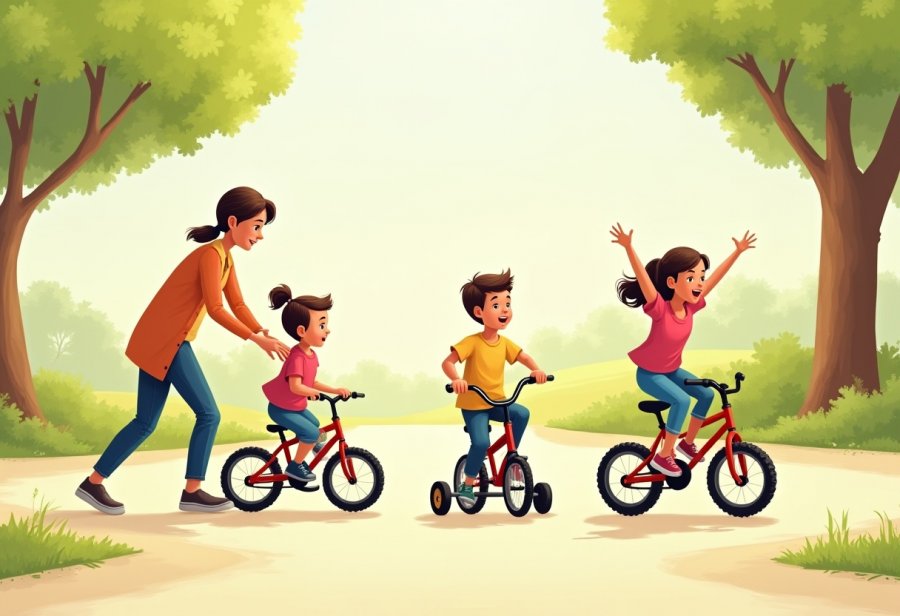
Future of Cycling Education: Innovations and Community Growth
As we look to the future, the way children learn to ride bikes is poised for exciting changes driven by technology and evolving societal values. Innovations like balance bikes, smart safety gear, and interactive coaching apps are making the learning process safer, more engaging, and accessible to more kids around the world. These tools help young riders build confidence early on, reducing fears and smoothing the transition from wobbling to smooth riding. Meanwhile, urban planning and community initiatives increasingly prioritize creating bike-friendly spaces, giving children safe environments to practice and explore. This not only enhances skill development but also encourages outdoor activity, independence, and a deeper connection to their surroundings.
Beyond individual skills, cycling is becoming a vital part of community life, symbolizing resilience and shared purpose. Group lessons, community rides, and school programs foster a collective spirit, making learning to ride less intimidating and more fun. These efforts help bridge gaps related to safety concerns or limited resources, ensuring that more children can experience the freedom and joy that come with mastering two wheels. As cycling continues to grow in importance, so does its role as a tool for fostering environmental awareness, health, and social bonds.
Parents and caregivers will remain central to this journey. Their patience, encouragement, and shared enthusiasm turn learning into a positive adventure rather than a chore. When children feel supported and safe, they’re more willing to take risks, learn from setbacks, and develop a love for cycling that can last a lifetime. Celebrating progress—no matter how small—and emphasizing effort over perfection helps cultivate resilience and a growth mindset. These lessons in perseverance and self-trust will serve children well beyond childhood, shaping how they approach challenges throughout their lives.
Learning to ride a bike is about more than just physical coordination; it’s a foundational experience in emotional strength. Overcoming fears of falling, managing setbacks, and trusting one’s abilities teach resilience, patience, and confidence—values that extend into education, social interactions, and future endeavors. As children master their bikes, they also gain a sense of independence that fuels curiosity, exploration, and a proactive attitude toward life’s challenges.
As society continues to emphasize health, sustainability, and outdoor activity, cycling’s role will only grow more significant. Efforts to make cycling accessible and inclusive—regardless of background or ability—are likely to expand, supported by technological advances and community programs. These initiatives will help foster a new generation of confident, resilient riders who see cycling as a symbol of freedom, environmental responsibility, and personal growth.
Ultimately, learning to ride a bike remains a timeless symbol of childhood development. It’s a journey that teaches persistence, trust, and independence—values that stay with children long after their first ride. As innovations and cultural shifts shape how children learn and experience cycling, the core message endures: with love, patience, and support, every child can find their freedom on two wheels. This ongoing evolution promises to make this milestone more inclusive, meaningful, and inspiring for generations to come.