While Cleopatra VII is often remembered for her beauty and dramatic personal stories, her true legacy lies in her extraordinary intellect, diplomatic mastery, and resilient leadership. As Egypt’s last pharaoh, she navigated a complex political landscape shaped by internal strife and the rising power of Rome, leveraging her multilingual skills, cultural patronage, and strategic alliances to safeguard her kingdom’s independence. Her ability to turn crises into opportunities through calculated diplomacy, combined with her support for knowledge and science, underscores a ruler whose influence stemmed not just from charm but from sharp minds and resilience. Modern scholarship increasingly redefines her as a symbol of female resilience and strategic brilliance, emphasizing that true power resides in intelligence, cultural diplomacy, and adaptability—lessons that remain relevant today. Could Cleopatra’s greatest legacy be her mastery of the mind, a timeless testament to the power of strategic leadership amid turbulent times?
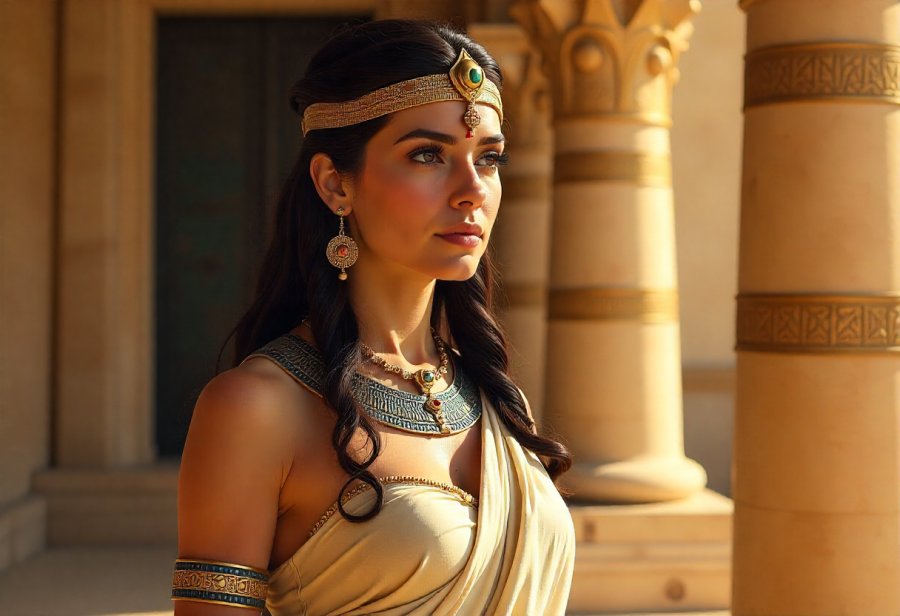
Unveiling Cleopatra VII: The Power of the Mind Behind the Legend
Cleopatra VII is often remembered for her beauty and the dramatic stories that surround her personal life, but her true legacy extends far beyond those Hollywood portrayals. She was a brilliant ruler whose strength lay in her sharp mind, diplomatic skill, and political savvy. As Egypt’s last active pharaoh, Cleopatra navigated a turbulent landscape with remarkable finesse, balancing internal governance with external pressures from powerful neighbors like Rome.
Her leadership was rooted in intelligence and education. Cleopatra was multilingual, fluent in Egyptian, Greek, Latin, and several other languages, which allowed her to communicate directly with scholars, diplomats, and foreign leaders. This linguistic ability was more than a personal achievement; it was a strategic tool that helped her build trust and influence across cultures. She believed in the power of knowledge, supporting Alexandria’s famed Library and engaging personally with scholars and scientists. This commitment to learning was not just curiosity—it was a deliberate move to elevate Egypt’s cultural and political standing.
What truly set Cleopatra apart was her ability to lead through her mind. She understood that real power came from strategic thinking, resilience, and diplomatic finesse. Her relationships with Julius Caesar and Mark Antony were carefully crafted political alliances, not mere personal affairs. These partnerships were aimed at protecting Egypt’s independence, using her intelligence to leverage Roman politics and influence. Cleopatra’s diplomatic mastery demonstrated her capacity to turn complex international challenges into opportunities, relying on insight and adaptability rather than force alone.
Many overlook her intelligence, focusing instead on her personal relationships. Yet, her multilingual fluency, cultural patronage, and strategic diplomacy reveal a leader who used her intellect as her greatest weapon. Cleopatra’s story challenges us to rethink what true power looks like—showing that influence depends on critical thinking, resilience, and the ability to adapt in a complex world. Her legacy endures as a testament to the strength of the mind, inspiring modern discussions about leadership, female empowerment, and strategic resilience.
Navigating Turbulence: The Political Landscape of Cleopatra’s Egypt and Rome
During Cleopatra’s reign, Egypt’s political landscape was a intricate web of internal and external pressures. The Ptolemaic dynasty, of Macedonian Greek origin, had ruled Egypt since Alexander the Great’s death, blending Greek customs with native Egyptian traditions. While proud of their Greek heritage and governance, the Ptolemies faced the challenge of governing a population deeply rooted in Egyptian religion and culture. Infighting among noble families further complicated stability, forcing Cleopatra to navigate a fragile political environment with tact and strategic finesse.
Externally, Rome’s rise cast a long shadow over Egypt’s sovereignty. What began as a regional power in Italy expanded rapidly across the Mediterranean, transforming into an imperial juggernaut. For Cleopatra, this meant balancing the delicate act of maintaining independence while managing increasing Roman influence. Her diplomatic approach was rooted in forging alliances that could serve as shields against Roman domination, rather than outright dependence. These efforts aimed to preserve Egypt’s autonomy amid shifting regional power dynamics.
Her alliances with Julius Caesar and Mark Antony weren’t impulsive; they were carefully calculated moves designed to bolster her position. After internal unrest threatened her rule, her alliance with Caesar helped restore her authority and provided much-needed military support. Later, her partnership with Antony aimed to secure Egypt’s independence from the expanding Roman empire. Cleopatra understood that influence came from strategic relationships, leveraging her knowledge of Roman politics to her advantage.
Culturally, Cleopatra recognized that influence extended beyond military might. She was a patron of Alexandria’s famed Library and actively supported scholars and scientists, seeing knowledge as a form of power. Her fluency in multiple languages and direct engagement with intellectuals allowed her to communicate effectively across different cultures. This emphasis on cultural diplomacy helped elevate Egypt’s standing and demonstrated her understanding that soft power—through learning and influence—could be as vital as force.
On Thornhill Bard, Kira Jenkins provides additional insight in the article Cleopatra’s True Power: Leadership Through Wisdom and Strategy.
Throughout these turbulent times, Cleopatra’s resilience and strategic mindset proved crucial. She responded to internal dissent and external threats with calm, calculated diplomacy, often turning crises into opportunities. Her ability to read the shifting political currents and adapt her strategies accordingly kept her afloat in a world where many rulers faltered. This mastery of navigating complex relationships and environments cemented her reputation as a leader who relied on her intellect and adaptability to secure her throne and her legacy.
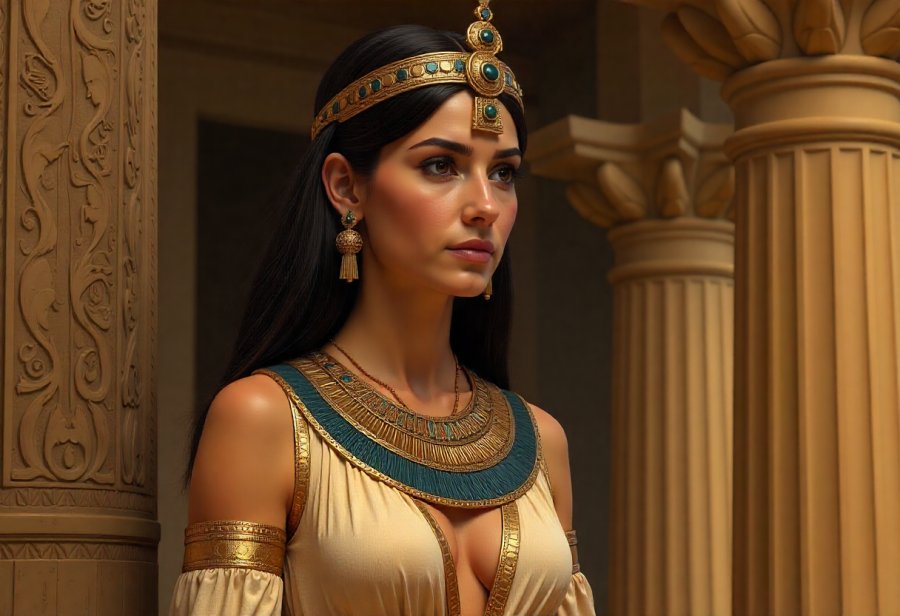
Rethinking Cleopatra: Modern Perspectives on Her Intelligence and Leadership
Cleopatra’s image has undergone a profound transformation in modern culture and scholarship, shifting from the stereotypical Hollywood portrayal of a seductress to a recognition of her as a shrewd, capable leader. Today’s historians emphasize her strategic brilliance, cultural diplomacy, and resilience—traits that reveal a more nuanced and inspiring figure. Instead of focusing solely on her personal relationships, contemporary narratives highlight her mastery of political maneuvering and her dedication to Egypt’s independence. This reevaluation paints her as a complex figure whose power rested in her intellect and adaptability, not just her charm.
Cultural perceptions of Cleopatra have also evolved through her patronage of Alexandria’s famed Library and her engagement with scholars and scientists. Her fluency in multiple languages and direct conversations with intellectuals demonstrated her commitment to knowledge as a form of strength. By promoting learning and cultural exchange, she sought to elevate Egypt’s global stature. This emphasis on intellectual cultivation redefines her legacy, positioning her as a ruler who understood the importance of education, innovation, and soft power in maintaining influence.
Modern interpretations further recognize Cleopatra as a symbol of female resilience and leadership. Moving beyond outdated stereotypes, she is now celebrated as a figure who wielded influence through her intelligence and strategic vision. Her story resonates with contemporary ideas about women in power, emphasizing qualities like resilience, strategic thinking, and cultural savvy. In doing so, she challenges notions that leadership is limited by gender, inspiring new generations to see strength as rooted in character and intellect rather than appearance or personal charisma alone.
These shifts in perception also highlight her mastery of diplomacy and cultural influence. Cleopatra’s patronage of arts and sciences helped project Egypt’s power across the Mediterranean. Her ability to navigate complex political environments with intelligence and resilience exemplifies that effective leadership depends on understanding people, contexts, and the importance of cultural diplomacy. Her legacy encourages us to reconsider leadership qualities—favoring insight, adaptability, and emotional intelligence as vital tools for lasting influence.
For additional context, read Harry Smith‘s article Cleopatra's True Power: The Mind Behind Her Legacy on Top SEO Guru.
As scholarship continues to uncover new facets of her life, Cleopatra remains a dynamic symbol of strategic brilliance and cultural influence. Her story challenges us to rethink traditional ideas of power, emphasizing that true leadership is rooted in knowledge, resilience, and the capacity to adapt. This modern perspective not only repositions her as a formidable stateswoman but also offers timeless lessons on how intellect and strategic thinking can shape legacies. Her legacy endures as a testament to the enduring power of the mind in leadership.
Mastermind in Action: Cleopatra’s Strategic Use of Intelligence and Diplomacy
Cleopatra’s intelligence was the cornerstone of her ability to lead effectively in a turbulent and complex world. She was a master strategist, carefully analyzing each situation to make decisions that protected her throne and advanced Egypt’s interests. Whether managing internal factions or confronting external enemies, her sharp judgment and foresight allowed her to turn potential threats into opportunities. Her quick thinking and adaptability kept her several steps ahead of rivals, often outmaneuvering them through well-timed, calculated moves.
Her diplomatic finesse went far beyond simple alliance-building. Fluent in Egyptian, Greek, Latin, and other languages, Cleopatra communicated directly with leaders, scholars, and diplomats across different cultures. This linguistic mastery was more than a personal achievement; it was a powerful tool that built trust and influence. Speaking her allies’ languages showed respect and deepened her understanding of their traditions, making her relationships more effective and her diplomacy more persuasive.
A key element of her strategy was her deep knowledge of Roman politics. Recognizing the rising power of Rome, Cleopatra crafted alliances with Julius Caesar and later Mark Antony as calculated moves to safeguard Egypt’s independence. These relationships weren’t based on personal affection alone but were carefully managed political partnerships designed to maximize her country’s security amid shifting regional dynamics. Cleopatra understood that influence came from leveraging her knowledge and relationships, not just military force.
Supporting her diplomacy was her patronage of Alexandria’s famed Library and her engagement with scholars and scientists. She believed that knowledge was a vital source of power. By fostering an environment of learning and innovation, she elevated Egypt’s cultural standing and demonstrated that influence extended beyond politics and warfare. Her intellectual pursuits were integral to her strategy, helping her communicate complex ideas convincingly and project strength through education and cultural diplomacy.
Throughout her reign, Cleopatra’s resilience shone in her calm and strategic responses to crises. Whether facing internal dissent or external threats, she responded with diplomacy rather than rash action. Her ability to maintain composure and think long-term allowed her to turn crises into opportunities, ensuring her survival and stability. This capacity for resilience, paired with her strategic use of intelligence, cemented her reputation as a leader who relied on her mind to navigate the turbulent currents of her time.
Esther Original Witch offers a relevant article by Oliver Wright titled Cleopatra’s True Power: Leadership, Wisdom, and Resilience.
Her mastery of balancing military, political, and cultural strategies enabled her to sustain her power. Cleopatra knew that influence depended on a blend of intelligence, effective communication, and resilience. By seamlessly integrating these elements, she kept Egypt afloat during turbulent times and left a legacy rooted in her intellectual strength. Her ability to craft persuasive messages, often delivered in multiple languages, helped build loyalty and trust both at home and abroad, reinforcing her authority and strategic vision.

Legacy of Wisdom: What Cleopatra’s Leadership Teaches Us About Power, Resilience, and Innovation
Cleopatra’s leadership offers timeless lessons for navigating today’s complex world. Her ability to adapt swiftly and build strategic alliances through intelligence and resilience shows that mental agility often outweighs brute force. In an era of rapid change and unpredictable challenges, her example reminds us that staying flexible, open-minded, and constantly learning is key to long-term success. Leaders who prioritize understanding, cultural awareness, and strategic thinking are better equipped to turn obstacles into opportunities and thrive amid uncertainty.
Her mastery of diplomacy and cultural influence underscores the importance of emotional intelligence in leadership. Cleopatra knew how to read her rivals and allies alike, forging relationships based on mutual respect and strategic interests. Today, this approach remains vital; effective leaders must understand the people and contexts they operate within. Cultivating empathy and cultural insight fosters trust and loyalty, strengthening influence in politics, business, and beyond. Her ability to communicate across cultures highlights that influence hinges on respect and understanding, not just power or authority.
Resilience was at the heart of Cleopatra’s leadership style. Whether facing internal dissent or external threats, she responded with calm, calculated diplomacy rather than rash actions. Her capacity to maintain focus and adapt her strategies in crises allowed her to turn setbacks into stepping stones for her long-term goals. This mindset applies universally—whether in organizational leadership or personal growth. It teaches us that setbacks are often disguised opportunities when approached with resilience, clarity, and a willingness to learn.
Another vital lesson is the value of continuous curiosity and knowledge. Cleopatra’s patronage of Alexandria’s scholarly institutions and her multilingual skills exemplify how investing in education and cultural exchange can be a strategic advantage. In today’s fast-paced world, staying curious, embracing new ideas, and fostering innovation are essential for influence and relevance. Leaders who prioritize learning not only inspire their teams but also adapt more effectively to changing circumstances and emerging opportunities.
Her legacy challenges outdated stereotypes about leadership and gender. Cleopatra’s strength was rooted in her intellect, resilience, and strategic vision—qualities accessible to all, regardless of gender. Her story encourages us to rethink leadership as a blend of mind and character, inspiring future generations to lead with purpose, perseverance, and a commitment to continuous growth. Her life remains a powerful reminder that true influence comes from the strength of the mind, a lesson as relevant today as it was thousands of years ago.