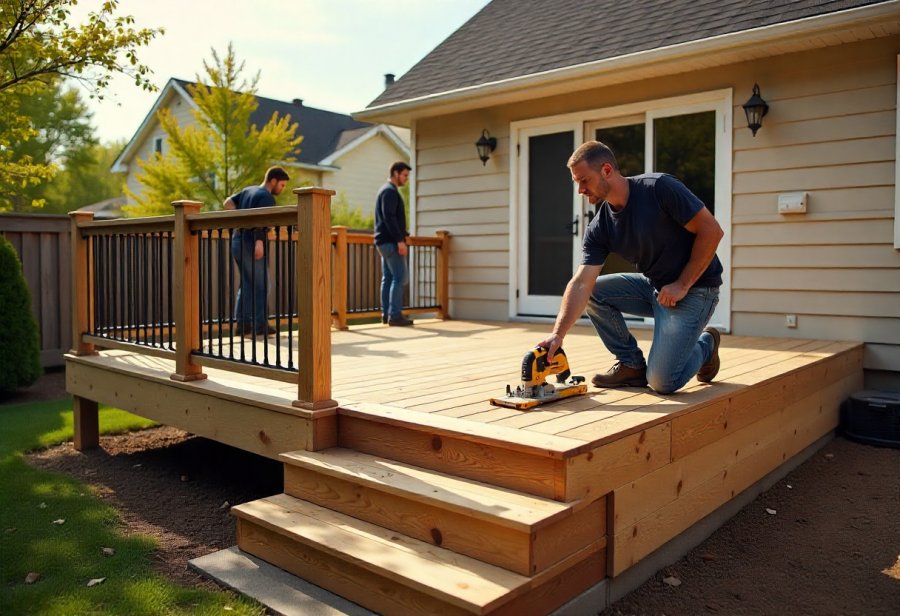
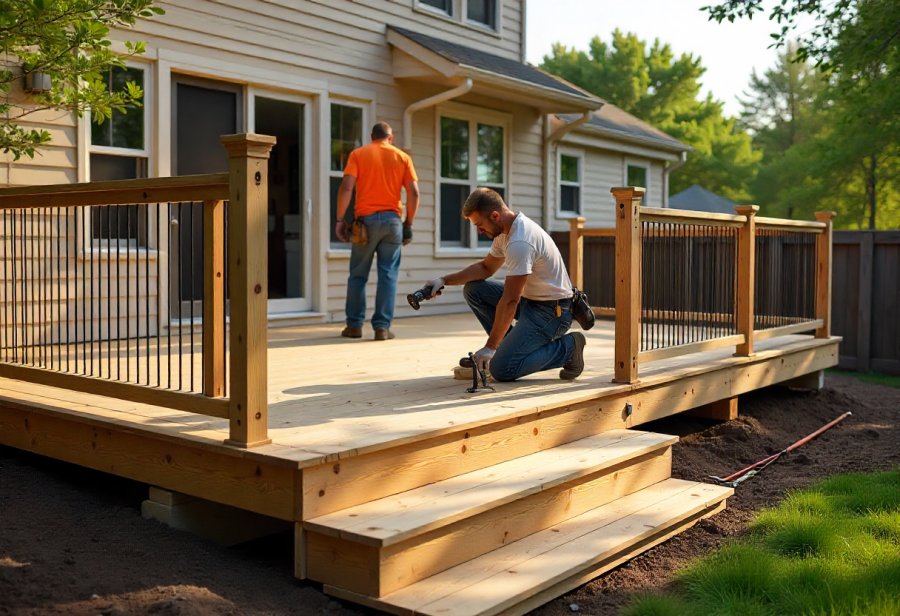
Transforming Toronto yards into beautiful, sustainable retreats is more than just planting or paving—it’s about crafting spaces that reflect personality while balancing environmental responsibility. As urbanization limits space, homeowners crave personalized sanctuaries that support local ecosystems and conserve resources. But how do design principles like balance, harmony, and native plant use come together to create resilient outdoor environments? The answer lies in eco-friendly practices: native plants, water-saving techniques, recycled materials, and solar lighting, all working in harmony to ensure longevity and low maintenance. Collaboration with skilled professionals, careful planning, and active involvement turn dreams into reality, yet the journey requires patience and flexibility. Could embracing innovative technologies and community partnerships shape the future of sustainable landscapes in Toronto? This ongoing evolution promises vibrant, resilient outdoor spaces that enrich daily life and support ecological health—proving that beautiful and eco-conscious landscapes are not mutually exclusive but essential for a greener tomorrow.
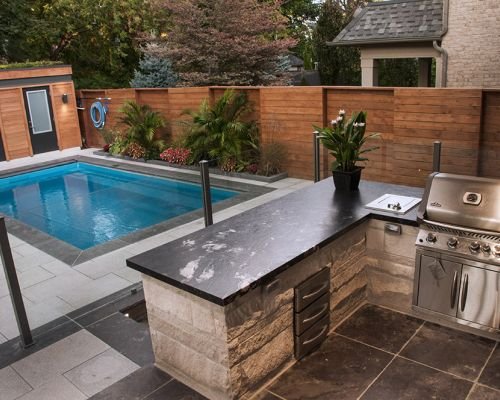
Transforming Toronto Yards into Personal Retreats: Balancing Beauty, Functionality, and Sustainability
Transforming Toronto yards into inviting outdoor retreats is about more than just planting a few flowers or laying down a patio. It’s about creating spaces that reflect the homeowner’s personality while balancing beauty, practicality, and environmental responsibility. As Toronto continues to urbanize and space becomes more limited, having a private outdoor area feels like a true luxury—whether it’s a peaceful spot to unwind, a lively place to gather with friends, or a garden that supports local wildlife. These outdoor spaces become extensions of our homes, offering a personal sanctuary amid the city’s hustle.
In recent years, the focus has shifted toward landscapes that are not only attractive but also eco-friendly. With Toronto’s changing climate and urban challenges, landscape design now emphasizes smart plant choices, sustainable materials, and features that conserve resources. Many homeowners are opting for low-water, chemical-free gardens that require less maintenance but still deliver on style and comfort. This approach ensures outdoor retreats are resilient and environmentally sound, built to thrive now and in the future.
Designing these outdoor spaces involves understanding local conditions—such as seasonal weather, soil types, and existing infrastructure. Achieving a cohesive look means balancing visual appeal with practicality. Native plants, eco-conscious materials, and features like water elements or lighting work together to create a space that’s both beautiful and functional. When these elements come together thoughtfully, the yard feels harmonious, inviting, and well-integrated into the urban environment.
A successful transformation also depends on aligning design ideas with the homeowner’s lifestyle and preferences. Whether aiming for a serene garden, an entertainment hub, or a low-maintenance native landscape, clear goals help guide the process. Open communication with landscape professionals ensures that expectations are met and the final result reflects the owner’s vision while prioritizing sustainability. This collaborative approach fosters a sense of ownership and satisfaction with the finished space.
The journey from concept to completion relies heavily on careful planning and active collaboration. Starting with an honest assessment of the yard’s strengths and limitations helps define realistic goals. Developing a budget and timeline keeps the project on track, while ongoing engagement ensures the outcome aligns with needs and desires. Thoughtful planning, combined with expert advice, transforms outdoor spaces into vibrant, sustainable retreats that enhance daily life and contribute positively to Toronto’s green future.
Foundations of Effective Landscape Design: Creating Cohesion and Visual Interest in Toronto
Effective landscape design in Toronto hinges on understanding the core principles that create both beauty and functionality. Balance plays a central role—carefully arranging plants, structures, and features so that the space feels cohesive and inviting. Whether achieved through symmetry or well-planned asymmetry, balance guides the eye naturally and prevents any single element from overwhelming the overall design. It’s about creating a visual flow that feels harmonious, making the yard feel intentional and well-composed.
Harmony builds on this foundation by selecting plants and materials that complement each other and reflect the homeowner’s style. When each element enhances the next, the entire landscape comes together seamlessly, resulting in a space that feels organic and thoughtfully curated. This cohesion fosters relaxation and social interaction, helping the yard become a true extension of the home rather than a chaotic patchwork of unrelated features.
Adding visual interest is essential to avoid a flat or monotonous landscape. Incorporating focal points like a water feature, sculpture, or a striking plant draws the eye and provides a natural resting place for viewers. Contrasting textures and varying plant heights create depth and dimension, making every corner of the yard more engaging. These elements work together to craft a landscape that’s dynamic, inviting, and uniquely tailored to the space.
For a deeper look at this topic, see Balthazar Knight‘s article Transform Your Outdoor Space Into a Sustainable Retreat on Are You Going To San Francisco?.
Toronto’s climate significantly influences design choices. Knowing the seasonal shifts—cold winters and warm summers—guides the selection of native plants that can withstand local conditions. Native flora not only requires less water and maintenance but also supports local ecosystems, reinforcing sustainability goals. Integrating these resilient plants ensures the landscape remains vibrant and low-impact, regardless of the weather.
Finally, urban constraints like limited space and existing infrastructure challenge designers to be innovative. Vertical gardens, compact layouts, and eco-friendly features such as permeable paving or rain gardens maximize functionality without sacrificing style. By understanding these influences, landscape professionals can craft outdoor retreats that are both practical and stunning, perfectly suited to Toronto’s unique environment. This thoughtful approach ensures the yard’s beauty endures while supporting sustainability and resilience.

Eco-Friendly Landscaping Strategies: Building Resilient and Sustainable Outdoor Spaces
Sustainable landscaping in Toronto has become essential for creating outdoor spaces that are both beautiful and environmentally responsible. A key starting point is the use of native plants, which are naturally adapted to Toronto’s climate and soil conditions. These plants require less water, fertilizers, and pesticides, making them a smart choice for reducing environmental impact while ensuring the landscape remains resilient throughout seasonal changes. Incorporating native species also supports local biodiversity, helping to sustain pollinators, birds, and other wildlife that thrive in the region.
Reclaimed and organic materials play a vital role in eco-friendly gardens. Using recycled stone for pathways or recycled wood for decks minimizes resource consumption and diverts waste from landfills. Organic mulches like shredded bark or compost naturally enrich the soil, promoting healthier plant growth without synthetic chemicals. These practices not only enhance the landscape’s vibrancy but also improve soil health, creating a balanced ecosystem that requires less ongoing intervention.
Water conservation techniques are particularly important given Toronto’s variable climate. Rain gardens effectively capture runoff, allowing water to soak into the ground naturally and reducing strain on stormwater systems. Permeable pavers enable water to pass through surfaces such as driveways and patios, helping to prevent erosion and manage stormwater on-site. Drip irrigation delivers targeted watering directly to plant roots, minimizing waste and evaporation—keeping gardens lush with significantly less water and energy.
Turning Toronto Yards into Dream Retreats: Beauty Meets Sustainability and Satisfaction, written by Jasmine Baker on Wacky Blog, offers a deeper look at this topic.
Energy-efficient outdoor lighting further supports sustainability goals. Solar-powered fixtures harness sunlight during the day and illuminate the yard at night without increasing electricity consumption. These fixtures are easy to install, low-maintenance, and help reduce greenhouse gas emissions, making them a practical and attractive addition that aligns with eco-conscious principles. Integrating such lighting options enhances safety and ambiance while maintaining a low environmental footprint.
Rainwater harvesting systems offer another sustainable solution. By collecting and storing rainwater for irrigation, homeowners decrease dependence on municipal water sources and mitigate runoff issues. These systems can be seamlessly integrated into landscape designs, providing practical benefits without sacrificing aesthetics. They exemplify how functional features can also serve environmental purposes, creating landscapes that are both attractive and resource-efficient.
Ongoing maintenance is crucial to sustaining a landscape’s eco-friendly qualities over time. Regular pruning, organic fertilizing, and weed control help keep plants healthy and minimize the use of synthetic chemicals. Mulching conserves moisture, suppresses weeds, and improves soil quality, fostering a thriving ecosystem that demands less intervention. This approach ensures the landscape remains vibrant, resilient, and aligned with environmental goals, offering a lasting, sustainable outdoor retreat for Toronto homeowners.
Turning Vision into Reality: Practical Steps for Creating Your Ideal Toronto Outdoor Retreat
Turning the vision of a perfect outdoor retreat into reality begins with careful planning. Homeowners should start by thoroughly assessing their yard—taking note of sunlight patterns, existing features worth preserving, and soil conditions. This initial step helps set realistic expectations and highlights the space’s potential. From there, defining clear priorities—whether it’s a tranquil garden, an entertainment area, or a low-maintenance native landscape—guides every decision. Clear goals ensure the project stays focused and manageable, making the process smoother and more predictable.
Effective communication with landscape professionals from the outset is crucial. Sharing your ideas, preferences, and must-haves helps translate your vision into a practical plan that balances style, function, and sustainability. Experienced designers can offer valuable insights into local conditions, suitable plant choices, and eco-friendly materials, ensuring your yard is resilient and efficient. Collaborating early fosters a shared understanding, reducing surprises and aligning expectations for the final outcome.
Budgeting realistically and establishing a timeline are essential steps. Breaking the project into manageable phases—design, procurement, installation—and allowing some flexibility for unforeseen issues keeps everything on track. Regular check-ins with your team help monitor progress, address concerns promptly, and keep the project within scope. Staying organized with milestones and clear communication minimizes stress and ensures the transformation stays aligned with your vision.
Toronto The Great hosts a related piece by Ant Miller called Transform Your Backyard into a Sustainable Outdoor Oasis.
Active involvement throughout the process significantly enhances the final result. Visiting the site regularly, asking questions, and providing feedback help catch potential issues early. This hands-on approach ensures the finished landscape truly reflects your needs and aesthetic preferences. Remember, creating a stunning outdoor space isn’t just about the end look; it’s about making sure every detail supports your lifestyle and eco-conscious values.
Choosing sustainable materials and features during planning makes a lasting impact. Native plants, recycled materials, and eco-friendly lighting aren’t just environmentally responsible—they also require less maintenance and last longer. Integrating these elements thoughtfully during the design phase guarantees a landscape that remains vibrant, functional, and low-maintenance over time. This proactive approach saves effort and expense, helping your outdoor retreat stay beautiful for years to come.
Patience and flexibility are vital as your landscape takes shape. Landscaping is an evolving process, and adjustments along the way can improve the overall outcome. Trust your team’s expertise, stay open to new ideas, and be willing to adapt as needed. With careful planning, ongoing collaboration, and a focus on sustainability, transforming your yard into a beautiful, functional, and eco-friendly outdoor retreat becomes a rewarding journey—one that delivers a space you’ll cherish for years.
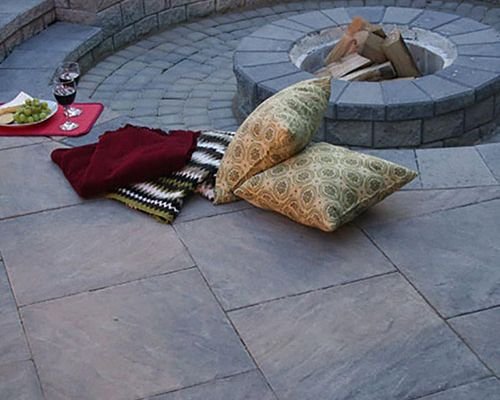
Shaping the Future of Toronto’s Outdoor Spaces: Innovation, Collaboration, and Sustainable Growth
Creating sustainable outdoor spaces in Toronto is an ongoing journey that benefits both homeowners and the environment. When design balances beauty with eco-friendly practices, landscapes become resilient, vibrant retreats that require fewer resources over time. Native plants, water-saving techniques, and recycled materials form the foundation of these enduring spaces, supporting local ecosystems while enhancing visual appeal. This approach not only ensures longevity but also aligns outdoor environments with broader environmental goals, fostering a healthier cityscape.
Looking ahead, embracing innovation and continuous learning will be key to advancing sustainable landscape design. Technologies like smart irrigation systems, soil sensors, and biodegradable materials are making eco-conscious practices more accessible and effective. As these innovations evolve, they open new possibilities for creating outdoor retreats that are both beautiful and highly sustainable. Staying informed about emerging trends allows designers and homeowners to incorporate solutions that improve efficiency and reduce environmental impact.
Collaboration across disciplines will also shape the future of green landscaping. Partnerships with environmental scientists, urban planners, and community groups can foster ideas that are practical, scalable, and impactful. Sharing success stories and best practices encourages wider adoption of sustainable methods, transforming how urban outdoor spaces are conceived and maintained. These collective efforts help embed eco-conscious principles into the fabric of Toronto’s neighborhoods, elevating the city’s green footprint.
Education plays a vital role in ensuring long-term commitment to sustainability. When homeowners understand how choices like native plantings, rainwater harvesting, or organic soils impact the environment, they become active partners in conservation. Providing accessible resources, guidance, and transparent communication empowers clients to maintain their landscapes responsibly, ensuring that eco-friendly practices become a natural part of their outdoor experience.
The future of outdoor retreats lies in our ability to innovate, adapt, and collaborate. By integrating new technologies, sustainable materials, and community-driven initiatives, we can craft landscapes that are both inspiring and resilient. Each project becomes an opportunity to push boundaries—merging functionality with environmental stewardship—ultimately enriching urban life and ecological health alike. Committing to this continuous improvement will help ensure that outdoor spaces remain vibrant sanctuaries for generations to come, supporting community well-being and a greener Toronto.