What if true strength lies not in external conquest, but within the disciplined mind and moral character? This exploration challenges the conventional view of power, drawing inspiration from Marcus Aurelius, a ruler who exemplified inner resilience amid chaos. His legacy prompts us to ask: can mastery over oneself forge a more enduring empire than vast armies or material wealth? Throughout history, figures like Aurelius and Spartans demonstrate that inner virtues—self-control, wisdom, integrity—outlast fleeting external victories. Philosophy affirms that authentic power is rooted in resilience and moral clarity, qualities that foster genuine leadership and lasting influence. By cultivating daily habits of reflection and discipline, we can build inner fortresses that withstand life’s turbulence. This reimagining of power shifts the focus from superficial symbols of dominance to a quiet, enduring strength—inviting us to consider: is the greatest empire we can create the one within?
Inner Power Over External Triumphs: The Lasting Strength Within
When we think about strength, it’s tempting to picture grand displays—armies marching, borders expanding, or wealth piling up. These external signs are visible and easy to measure, which makes it natural to associate power with conquest and material success. But beneath these surface symbols lies a deeper question: does real strength come from what we can see, or from what we cultivate within ourselves?
Throughout history, many have believed that external achievements define true power. Leaders build empires, win battles, and amass riches to showcase their dominance. These accomplishments often bring immediate recognition and influence, yet they can be fragile. Empires fall, fortunes fade, and armies are defeated. External power depends on circumstances beyond our control—resources, luck, external validation—and when those fade, so does the perceived strength.
In contrast, there is a quieter kind of power rooted in inner discipline—self-control, resilience, and moral clarity. This internal strength isn’t as flashy but tends to be more enduring. It’s the ability to stay calm amid chaos, to act purposefully instead of impulsively, and to govern oneself through adversity. Leaders like Marcus Aurelius exemplify this idea: their influence was rooted not just in military might but in wisdom and self-mastery. Such qualities leave a lasting legacy because they shape character rather than fleeting external circumstances.
The real question is which form of strength lasts longer. External conquest may bring quick wins and applause, but it often depends on luck and external factors. Inner discipline, however, builds resilience that can withstand upheavals and setbacks. It guides decisions, influences others through moral authority, and leaves a legacy rooted in integrity—qualities that remain long after external victories fade. Recognizing this shifts our understanding of leadership and strength from outward displays to inner virtues that truly endure.
Historical Legends of Inner Resilience Outlasting Empires
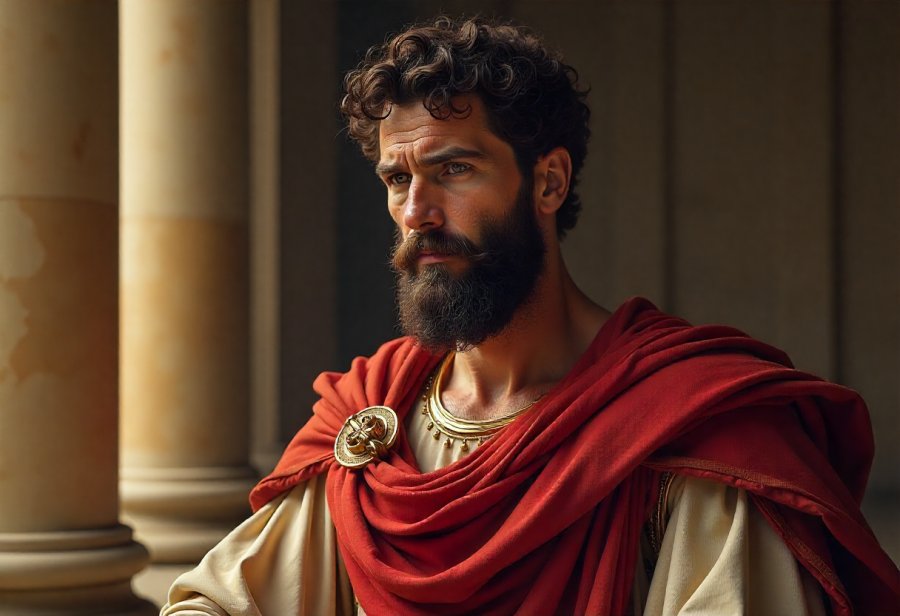
Throughout history, stories of inner strength surpassing external dominance serve as powerful reminders of what truly endures. Marcus Aurelius stands as a prime example. As Roman Emperor from 161 to 180 AD, he commanded armies and oversaw an empire, yet his legacy is defined more by his philosophical reflections than his military victories. His writings in *Meditations* reveal a leader who believed that real authority stems from self-control and moral clarity—qualities that outlived the empire’s borders and political upheavals. Marcus’s strength lay in his mastery over his mind, a resilience that no external conquest could replicate.
Similarly, the Spartans at Thermopylae demonstrate how inner resolve can outshine brute force. King Leonidas and his small band of warriors faced overwhelming odds, yet their unwavering courage and mental toughness became legendary. Their bravery was rooted not just in military training but in an unshakeable internal conviction—an inner strength that inspired generations. These stories underscore that external power might bring swift victories, but lasting influence comes from resilience and moral conviction within.
Figures like Epictetus reinforce this idea. Once a slave, he emphasized that true freedom and strength come from mastery over one’s thoughts and emotions. His teachings, centered on inner discipline, continue to inspire leaders and thinkers long after his time. These examples highlight that internal resilience—self-mastery and moral integrity—often leaves a deeper mark than external achievements. Building inner strength ensures a legacy that endures beyond fleeting territorial gains or material wealth.
For additional context, refer to The True Power of Leadership Lies Within, an article by Phoebe Edwards on Tipping Top Hat.
Empires that relied solely on external power often faced downfall. The Roman Empire, despite its military might, suffered internal decay and moral decline, which contributed to its collapse. Conversely, civilizations emphasizing internal virtues—such as certain Chinese dynasties practicing moral governance—tended to withstand internal and external challenges longer. This pattern suggests that lasting influence depends less on superficial displays of dominance and more on cultivating inner virtues within leaders and societies.
These historical examples reveal a common truth: inner strength—resilience, wisdom, and moral clarity—has the power to outlast external dominance. Armies can be defeated, borders can be lost, but the virtues cultivated within individuals and leaders create a legacy that endures. Such stories remind us that the most enduring power isn’t what we conquer outside but what we nurture and develop within ourselves. Inner strength, proven across ages, remains the true foundation of lasting influence.
Philosophy of Inner Discipline: The True Source of Power
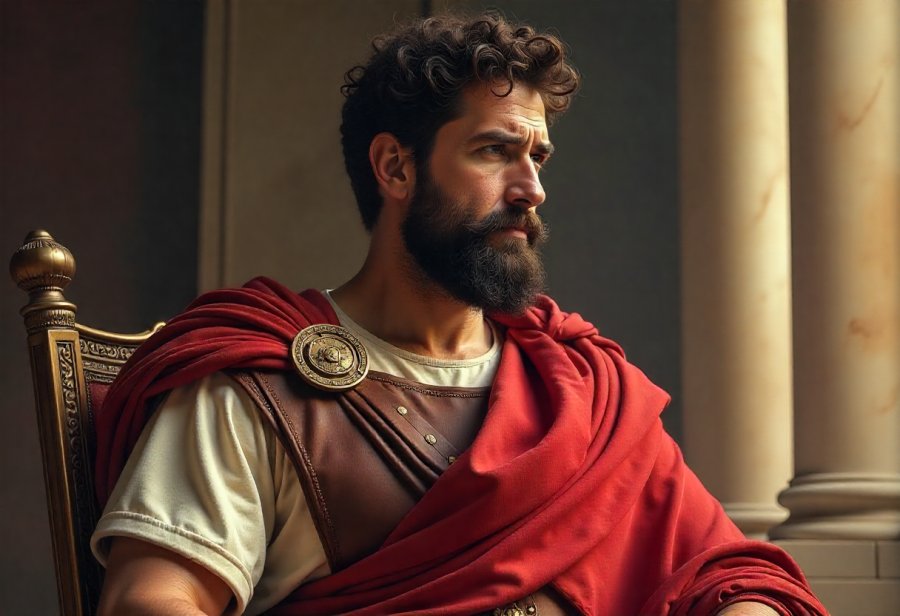
Many philosophers have long argued that inner discipline embodies the highest form of power. Unlike external dominance, which relies on circumstances that can shift or be taken away, true strength is rooted in virtues like self-control, wisdom, and moral integrity. Stoics such as Epictetus and Marcus Aurelius emphasized that mastery over the mind and emotions provides a resilience no external force can undermine. This internal power isn’t dependent on luck or external validation; it’s cultivated through deliberate effort, reflection, and discipline, making it more reliable and enduring over time.
Philosophy consistently supports the idea that self-mastery is the foundation of authentic strength. When individuals govern their impulses and reactions, they develop a calm, steady mind capable of facing adversity without losing composure. This inner discipline creates a moral authority based on character, earning respect and loyalty not through fear or control but through integrity and consistency. Leaders rooted in this form of strength gain influence because of their unwavering inner core, which remains resilient regardless of external chaos.
Virtue ethics further reinforce this perspective. Aristotle believed cultivating virtues like courage, temperance, and wisdom was essential for a good life. When these qualities are internalized, they form a stable foundation for genuine influence. Leaders embodying virtues inspire trust through their moral example, not through superficial displays of power. Their strength lies in their unwavering commitment to virtue, leaving a legacy rooted in integrity that material riches or military might cannot match. This inner resilience becomes a quiet yet powerful force that guides decisions and shapes character.
Many thinkers argue that moral strength and resilience carry more lasting influence than material success. Empires may rise and fall, armies may be defeated, but inner virtues shape a person’s legacy far beyond external circumstances. Leaders who prioritize inner discipline leave behind reputations rooted in honesty, humility, and moral clarity—qualities that continue to inspire long after their material achievements fade. This inner resilience fuels a sense of purpose and conviction that external power simply cannot replicate, making it the true source of lasting influence.
Related insights are covered in Pres Turner‘s article Inner Discipline: The Key to Lasting Leadership Power over at Zones of Wisdom.
Finally, internal strength offers remarkable adaptability. When external conditions shift suddenly, those with inner discipline remain calm and make wise choices. It’s not just about enduring hardship but transforming setbacks into opportunities for growth. This mental resilience fosters innovation and moral courage in crises, proving that the deepest power is in the virtues cultivated within. It’s a form of strength that sustains leaders through all of life’s challenges and leaves a legacy of integrity and influence that endures far beyond fleeting displays of dominance.
Cultivating Inner Strength: Practical Leadership and Personal Growth Strategies
Building inner discipline in everyday life begins with small, consistent actions that reinforce self-control and resilience. Developing habits like morning reflection or brief meditation can set a calm, focused tone for the day, helping you stay aligned with your core values. Regular check-ins with yourself make it easier to recognize impulses or distractions early, allowing you to respond thoughtfully rather than react impulsively. Over time, these routines become a foundation for mental strength that carries you through challenges with greater ease.
Setting clear, meaningful goals rooted in your values provides an internal compass that guides your decisions and actions. When your objectives are specific and aligned with your purpose, resisting temptations or shortcuts becomes more manageable. As you stick to these goals, your confidence in your ability to govern yourself grows, reinforcing your inner discipline and resilience. This focus helps you stay committed, even during turbulent moments, cultivating a steady inner core.
Leaders who practice intentional discipline often face intense pressures and stressful situations. Their resilience keeps them calm and centered, enabling them to make thoughtful decisions rather than impulsive ones. Techniques like mindful breathing or journaling can nurture this mental toughness, making them better equipped to inspire trust and confidence in others. When others observe their consistency and moral clarity, they naturally look up to these leaders as exemplars of true strength.
Leading by example is perhaps the most powerful way to apply inner discipline. Demonstrating patience, integrity, and clarity in your actions sets a standard that others can follow. When people see consistency and authenticity, especially in difficult moments, they recognize that real leadership isn’t about control or dominance but about moral authority rooted in inner resilience. This authenticity builds trust and loyalty, creating a ripple effect that elevates the entire team or community.
Inner discipline also enhances personal growth by helping you prioritize long-term development over immediate gratification. Resisting procrastination, unhealthy habits, or impulsive decisions compounds over time, leading to meaningful progress. Each act of self-control boosts your confidence and sense of mastery, transforming discipline from a chore into a core part of your identity. This ongoing effort gradually shapes a resilient character capable of withstanding external chaos.
This theme is addressed on Inspyro by Gen Gray in the article Wisdom, not warfare, crafts the greatest empire of all time.
Maintaining inner strength requires ongoing effort and reflection. Revisiting your goals, assessing your progress, and adjusting routines keep your discipline sharp. When setbacks occur, instead of viewing them as failures, see them as opportunities to learn and adapt. This mindset turns discipline into a way of life, fostering a resilient character that remains steady amid external turbulence and inspiring others through unwavering moral strength.
This inner resilience isn’t limited to personal habits; it extends into organizational culture. Leaders who embody self-control and moral clarity foster environments of trust and accountability. When discipline becomes woven into daily routines and shared values, it strengthens the collective resilience. Such organizations navigate crises with integrity and purpose, demonstrating that lasting leadership stems from a well-cultivated inner foundation that influences everyone around them.
Power Reimagined: The Enduring Influence of Inner Virtue and Wisdom
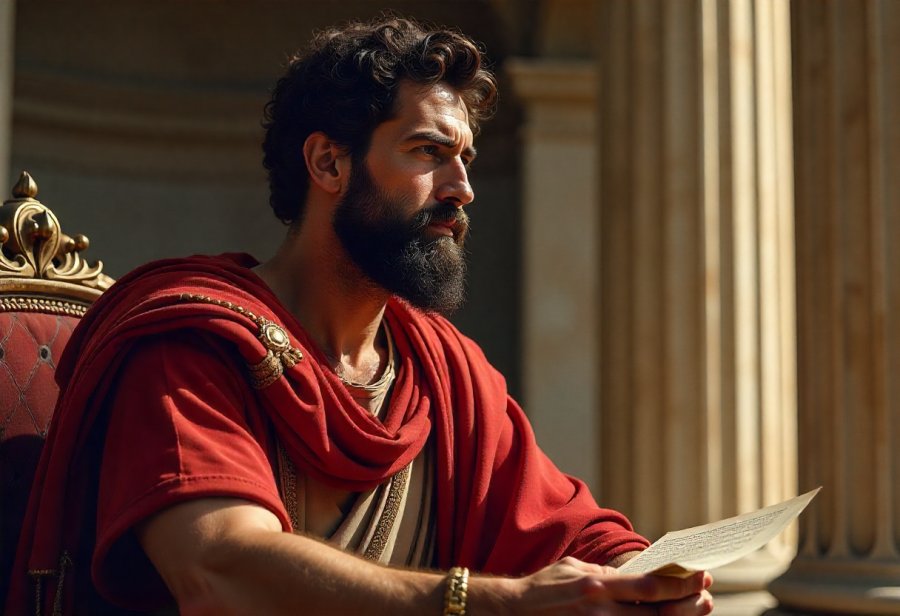
Power is often associated with visible symbols—armies, borders, wealth—that we can see and measure. But beneath these surface signs lies a deeper truth: genuine strength resides within. Leaders like Marcus Aurelius show us that the greatest empire we can build is the one within ourselves. Their legacy isn’t just in territorial conquests but in mastering their minds and morals, creating a resilience that endures beyond external upheavals. Inner discipline rooted in wisdom and moral clarity provides a stable foundation that no external chaos can shake, guiding decisions and shaping character quietly yet profoundly.
Shifting our focus from external achievements to inner virtues transforms how we perceive power. Material victories and influence are fleeting because they depend on circumstances, resources, and luck. Inner discipline, however, remains steady regardless of external changes. Cultivating virtues like patience, humility, and integrity builds a resilient character that sustains us through life’s inevitable challenges. This inner strength fosters authenticity and trust, inspiring loyalty and respect far beyond superficial displays of dominance. It’s a form of influence rooted in character, far more enduring than any fleeting external success.
Philosophy consistently affirms that mastery over oneself is the highest form of power. When individuals govern their impulses and reflect on their actions, they develop a moral authority that commands genuine respect. Leaders who embody this inner discipline set standards that elevate their communities. Their influence isn’t based on loud voices or military might but on unwavering integrity and moral clarity. This inner resilience quietly guides their decisions and inspires others, especially in moments of uncertainty or crisis, proving that true strength is cultivated from within.
Building this strength is a continuous process. Daily habits like reflection, goal-setting, and self-awareness reinforce discipline and resilience. When setbacks occur, seeing them as opportunities to learn and grow keeps the inner core steady. Over time, this mindset transforms discipline from a chore into a way of life, shaping a resilient character capable of facing any storm with calm and clarity. This inner foundation, rooted in wisdom and virtue, offers a lasting legacy—one that guides us through chaos and leaves a meaningful imprint on the world around us.
Ultimately, real power is less about outward displays and more about the inner virtues we cultivate. Inner discipline and wisdom create a strength that remains resilient in the face of external change. It’s the quiet, steady force that guides us through life’s turbulence, inspiring trust and moral authority. As Marcus Aurelius and countless others demonstrate, the most enduring influence comes from mastering ourselves. When we prioritize inner virtues over superficial symbols, we unlock a form of power that truly lasts—an empire built not with might, but with wisdom and character.