Uncover the astonishing strategies and relentless ambition that transformed Alexander the Great from a young prince into a legendary conqueror reshaping civilizations forever. How did his mastery of innovative tactics, cultural fusion, and charismatic leadership propel him across continents, leaving a legacy that endures today? This compelling exploration reveals that his military genius was matched by a visionary vision of empire-building rooted in cultural integration and political diplomacy. Yet, beneath the triumphs lie questions of overreach and ethical complexity—reminding us that greatness often comes with profound costs. As we delve into his tactical brilliance, inspiring loyalty, and strategic foresight, we’re invited to ask: can modern leadership learn from his boldness and pitfalls alike? Ultimately, Alexander’s story is a vivid blueprint for influence that transcends mere conquest, challenging us to consider how vision, agility, and moral resilience shape lasting legacies.
Unveiling the Legendary Strategist and Ambitious Conqueror
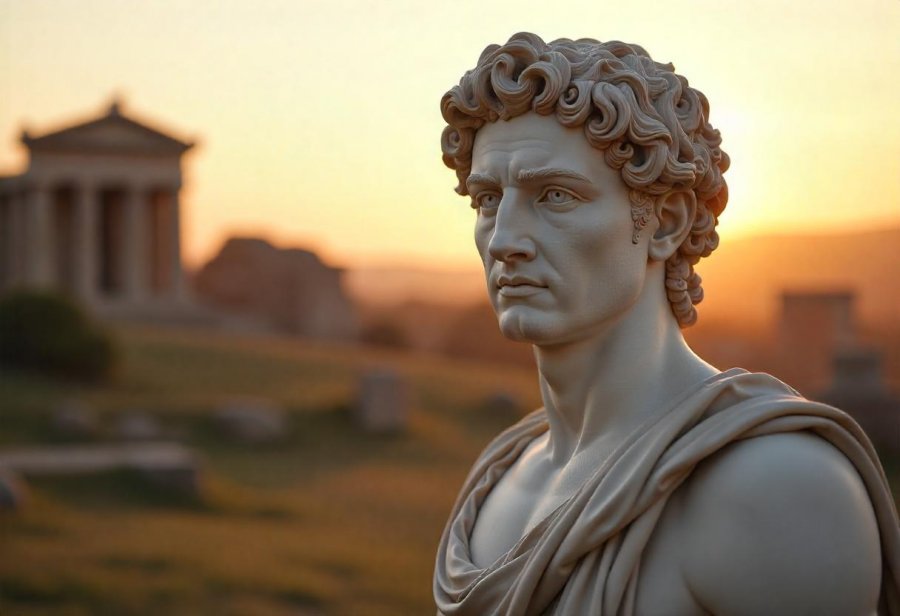
Alexander the Great remains one of history’s most captivating and enduring figures, not solely because of the vastness of his conquests but due to the extraordinary strategic mind and unwavering ambition that propelled his rise. His empire, stretching from Greece through Egypt into the heart of Asia, fundamentally transformed the ancient world. It laid the groundwork for a Hellenistic culture that would influence civilizations for centuries, blending Greek innovation with Eastern traditions. His ability to envision a unified, culturally integrated empire set him apart as a leader whose ambitions extended far beyond immediate territorial gains.
At the heart of Alexander’s success was his talent for battlefield innovation. Employing tactics that often appeared daring or unconventional, he mastered the art of combined arms—integrating infantry, cavalry, and psychological warfare with remarkable finesse. His command of the phalanx, paired with rapid cavalry assaults and surprise maneuvers, created a dynamic style of warfare that kept enemies perpetually off balance. These tactical innovations demonstrated not only his ingenuity but also his capacity to adapt swiftly to diverse terrains and unpredictable foes. The evidence suggests that his military brilliance was instrumental in his rapid territorial expansion, but it was his strategic vision that elevated his conquests into a sustained campaign of empire-building.
Leadership was central to Alexander’s achievements. His charisma and personal bravery inspired unwavering loyalty among his troops, who often followed him into the most perilous situations. He led from the front, exemplifying the daring he demanded from his soldiers, which fostered a shared sense of purpose and cohesion. His ability to motivate and inspire was complemented by meticulous planning and tactical flexibility—he could read the battlefield and adjust tactics in real time. This combination of personal magnetism and strategic insight created a leadership style that was revolutionary for its time, setting a standard that many subsequent leaders continue to admire.
Beyond military tactics, Alexander’s ambitions embodied a vision of cultural fusion and political influence. His campaigns facilitated the spread of Greek culture into Persia, Egypt, and Central Asia, creating a syncretic Hellenistic world that blended Greek and Eastern traditions. This cultural diffusion was no accident; it was carefully cultivated through the founding of cities like Alexandria, which became centers of learning, commerce, and exchange. The long-term impact of his empire extended beyond territorial control to shaping art, philosophy, and governance across a vast landscape. His empire-building strategies reveal an understanding that true power lay in shaping a shared cultural and political landscape, not just in conquering territory.
The significance of Alexander’s legacy goes beyond his immediate achievements. His methods and leadership principles continue to influence military and organizational thinking today. His emphasis on adaptability, psychological warfare, and rapid maneuvering resonates in modern doctrines such as maneuver warfare and rapid deployment strategies. Similarly, his ability to inspire loyalty and foster cultural integration offers lessons for contemporary leaders managing diverse teams and complex global challenges. His blend of tactical innovation and visionary leadership forms a blueprint that transcends time, demonstrating that success often depends on a combination of strategic ingenuity, cultural sensitivity, and unwavering resolve.
As we analyze his story, it’s clear that Alexander’s impact was as much about his failures and limitations as his triumphs. His relentless pursuit of conquest sometimes overextended his forces, especially in campaigns in India where logistical challenges and local resistance strained his army. His reliance on psychological warfare and displays of brutality raises ethical questions that continue to spark debate among historians. These complexities serve as a reminder that even the most celebrated leaders operate within intricate webs of challenge and contradiction. His legacy, therefore, is a nuanced tapestry woven from extraordinary achievements and the inherent risks of unrelenting ambition, illustrating that greatness often comes with significant costs.
In the end, Alexander’s story exemplifies how strategic vision, boldness, and cultural awareness can combine to forge a lasting legacy. His capacity to inspire loyalty, adapt to new circumstances, and integrate diverse cultures underscores an approach to leadership that remains relevant today. His campaigns redefined notions of empire and influence, showing that true greatness involves more than territorial gains—it requires shaping the world through innovation, motivation, and long-term vision. As modern leaders and strategists look back, they find in Alexander’s life a compelling blueprint for influencing history and transforming societies, a testament to the enduring power of visionary leadership driven by relentless ambition.
Foundations of Greatness: Early Life, Education, and Influences
Alexander the Great’s early years were meticulously shaped to prepare him for the extraordinary leader he would become. Born in 356 BCE in Pella, the Macedonian capital, he was the son of King Philip II—a ruler whose military innovations and diplomatic acumen had transformed Macedonia into a formidable regional power. From his youth, Alexander was immersed in a environment that combined privilege with intense preparation. Witnessing his father’s strategic reforms and military campaigns firsthand, he learned early on the importance of both discipline and innovation in warfare and leadership. These formative experiences laid a foundation that would underpin his later conquests and empire-building ambitions.
His education was equally pivotal, especially his tutelage under Aristotle, one of Greece’s most eminent philosophers. The philosopher’s influence extended far beyond the sciences and arts; Aristotle introduced Alexander to a broad spectrum of ideas—ethics, politics, philosophy, and the sciences—that fostered a deep appreciation for knowledge and cultural diversity. This intellectual grounding nurtured a worldview in which the blending of Greek and Eastern traditions was not only desirable but essential for the stability of his envisioned empire. The lessons learned from Aristotle about inquiry and understanding shaped Alexander’s approach, encouraging him to seek wisdom from every encounter, whether on the battlefield or in diplomacy.
Early influences also stemmed from Philip’s successful reforms of the Macedonian military. The king’s reorganization of the army, notably the development of the formidable phalanx armed with long sarissas, created a disciplined and cohesive fighting force. Alexander watched as his father’s strategic patience, combined with decisive action, enabled Macedonia to expand its influence and secure its borders. These lessons became ingrained in him, forming the bedrock of his own military experimentation. He eagerly studied the tactics that had made Macedonia a powerhouse and sought to refine and adapt them, blending tradition with innovation to craft a style uniquely his own.
The political turbulence of Macedonia during his youth further sharpened Alexander’s leadership skills. The death of his older brother and subsequent succession crises underscored the fragility of power and the necessity of decisive action. Navigating these unstable waters, Alexander learned the importance of projecting strength, forging alliances, and managing internal rivalries. These early lessons in political diplomacy and crisis management complemented his military training and prepared him to handle the complex realities of empire-building. The experience instilled a sense of urgency and a drive to prove himself capable of unifying and leading a diverse realm, setting the stage for his future ambitions.
A related discussion appears in The Timeless Legacy of Alexander the Great’s Leadership and Conquests, written by Chris Stewart for The Big Toy Box.
From a young age, Alexander exhibited remarkable personal qualities—boldness, resilience, and insatiable curiosity. Stories of his daring in athletic and intellectual pursuits reveal a prince eager to distinguish himself. Whether leading mock battles or demonstrating resilience under pressure, he demonstrated a natural talent for leadership that would flourish in the chaos of conquest. His innate confidence, combined with a desire to lead by example, earned him respect and loyalty among his peers and followers. These early traits—his daring, resilience, and curiosity—would become hallmarks of his leadership style, enabling him to motivate armies across vast and unfamiliar territories.
In sum, Alexander’s early life was a carefully cultivated blend of privilege, education, and practical experience. His privileged upbringing provided the resources and environment to develop his natural talents, while his education under Aristotle and his father’s reforms supplied the intellectual and strategic tools necessary for future success. The political turbulence he navigated early on sharpened his skills in diplomacy and crisis management. These combined influences forged a leader whose innate qualities—ambition, resilience, and curiosity—were complemented by a rigorous foundation of knowledge and experience. This unique combination prepared him not only to conquer vast territories but to do so with a vision that integrated cultural understanding, strategic innovation, and personal magnetism, setting him apart as one of history’s most extraordinary figures.

Mastering Warfare and Building an Enduring Legacy
Alexander’s strategic approach and leadership style reveal a ruler who masterfully combined tactical innovation with a personal charisma that inspired unwavering loyalty. His methods were characterized by meticulous planning, adaptability, and an intuitive understanding of psychological warfare that often gave him the upper hand against numerically superior or better-prepared enemies. Unlike many of his contemporaries, who relied primarily on brute force, Alexander recognized that victory often depended on deception, surprise, and exploiting the vulnerabilities of his opponents’ perceptions. His ability to read the battlefield—anticipating enemy movements and adjusting tactics in real time—marked him as a strategist who could turn potential setbacks into opportunities for decisive advantage.
At the core of his leadership was an extraordinary capacity to motivate and unify his troops. Alexander led from the front, frequently risking his own life to demonstrate resolve and courage, which in turn galvanized those who followed him. His personal bravery and unwavering presence in the thick of battle fostered a deep sense of shared purpose, transforming his soldiers from mere followers into true believers in a collective destiny. This emotional bond was crucial, especially during grueling campaigns across unfamiliar terrains, where morale could easily falter. By embodying the ideals he preached—resilience, daring, and commitment—Alexander cultivated a loyalty that powered his armies through adversity and into history.
Alexander’s military campaigns were distinguished by a series of innovative tactics that continually expanded the boundaries of ancient warfare. His mastery of the Macedonian phalanx—armed with long sarissas—created a dense, formidable core capable of withstanding assaults and delivering devastating counterattacks. He complemented this with swift, decisive cavalry maneuvers, especially through the elite Companion Cavalry, which excelled in flanking and rear attacks. This combination of dense infantry formations and rapid cavalry strikes allowed him to outmaneuver larger armies, often defeating foes through superior timing and maneuvering rather than sheer numbers. His tactical flexibility enabled him to adapt seamlessly to different terrains—from besieging fortified cities like Tyre to engaging in open, open-field battles such as Gaugamela—where terrain, deception, and timing played pivotal roles in securing victory.
A related discussion appears in Unleashing the Timeless Leadership Secrets of Alexander the Great, written by Quincy Garcia for Frisco Texas Living.
Beyond battlefield tactics, Alexander’s strategic vision extended into empire-building through cultural integration and political diplomacy. Recognizing that military conquest alone would not sustain a vast and diverse empire, he actively promoted alliances, intermarriage, and the founding of cities designed as centers of learning, commerce, and cultural exchange—most famously Alexandria. These cities served as more than military outposts; they became crucibles of cultural fusion, where Greek ideas mingled with local traditions, fostering a sense of shared identity that transcended ethnicity. His policies of respecting and adopting local customs, while maintaining Macedonian dominance, created a syncretic cultural landscape that reinforced stability and long-term influence. This approach demonstrated a sophisticated understanding that lasting power depended on shaping a shared cultural and political fabric, not solely on military might.
The impact of Alexander’s empire extended far beyond territorial gains. His campaigns facilitated the fusion of Greek and Eastern traditions, sparking innovations in art, science, and governance that ushered in the Hellenistic Age. The cities he established became vibrant hubs of intellectual exchange, where Greek philosophy and local knowledge intertwined, fueling progress across Persia, Egypt, and Central Asia. This cultural synthesis was a deliberate, strategic move—designed to embed Greek influence deeply into the fabric of conquered lands—ensuring his legacy would endure long after his death. His empire demonstrated that conquest could be a catalyst for cultural enrichment rather than mere domination, a lesson that resonated through subsequent civilizations and empires.
Alexander’s leadership principles—adaptability, cultural awareness, and inspiring loyalty—continue to resonate in contemporary military and organizational strategies. His emphasis on flexibility and rapid decision-making aligns with modern doctrines like maneuver warfare, which prioritize speed, deception, and exploiting enemy weaknesses. Likewise, his understanding that morale and perception could be as decisive as physical strength echoes in today’s emphasis on emotional intelligence and cultural sensitivity in leadership. Leaders across sectors recognize that fostering trust, shared purpose, and resilience—traits Alexander exemplified—are essential for navigating complex environments filled with uncertainty and diversity. His ability to motivate through personal example and strategic vision remains a timeless blueprint for effective leadership.
Despite his many successes, Alexander’s campaigns also serve as cautionary lessons about overreach and the limits of relentless expansion. His push into India, while tactically brilliant, stretched his supply lines and strained his forces’ endurance, highlighting the risks of overextension. His reliance on psychological warfare and displays of brutality, though effective, raise ethical questions that continue to spark debate among historians. These contradictions remind us that even the most celebrated leaders operate within webs of challenge and complexity. Recognizing these limitations underscores that sustainable leadership balances daring innovation with strategic restraint and moral responsibility. The lessons from his campaigns—both inspiring and cautionary—highlight the importance of knowing when to push forward and when to exercise restraint, ensuring that ambition does not outpace sustainability.
In sum, Alexander’s legacy exemplifies how strategic innovation, cultural sensitivity, and personal charisma can combine to forge a lasting influence. His ability to motivate loyalty, adapt swiftly, and foster cultural exchange created a blueprint that remains relevant across centuries. His campaigns reshaped the very concept of empire, illustrating that true power extends beyond territorial control to shaping ideas, values, and identities. His story underscores that genuine leadership involves a blend of vision, agility, and moral clarity—traits that continue to inspire contemporary leaders. From military tactics to cultural diplomacy, Alexander’s life offers enduring lessons on how to leave a profound and lasting mark on history, proving that the most enduring legacies are built not only on conquest but on the capacity to inspire, innovate, and unite across differences.
Applying Ancient Wisdom: Modern Lessons in Leadership and Strategy
Alexander’s strategic principles continue to resonate across modern leadership and military practices, demonstrating the timeless relevance of his approach. His emphasis on adaptability remains crucial in today’s fast-paced, unpredictable environments—whether on the battlefield, in corporate boardrooms, or within political arenas. Leaders now recognize that the ability to pivot swiftly in response to changing circumstances often determines success. Alexander’s mastery of reading the situation and adjusting tactics accordingly exemplifies the importance of flexibility, a trait cultivated through scenario planning, real-time decision-making, and agile organizational structures. This capacity to remain resilient amid uncertainty transforms potential vulnerabilities into strategic advantages, a lesson that endures across centuries.
Psychological warfare was central to Alexander’s leadership, and its principles find clear parallels today. His understanding that morale, motivation, and perception could be as decisive as physical strength underscores a fundamental insight: effective leadership hinges on emotional intelligence and cultural awareness. Modern leaders prioritize fostering loyalty and inspiring collective purpose through transparent communication, shared values, and motivating narratives—techniques that echo Alexander’s ability to galvanize his troops through personal charisma and a compelling vision. These strategies strengthen cohesion and resilience, enabling teams to persevere through adversity, much as his army did during arduous campaigns across unfamiliar and hostile territories.
Cultural diplomacy and strategic integration formed a core aspect of Alexander’s empire-building. His founding of cities like Alexandria was more than military outposts; they became vibrant centers of trade, learning, and cultural exchange. Recognizing that sustainable influence depends on mutual understanding and inclusion, he actively promoted intermarriage and adopted local customs while maintaining Macedonian dominance. This deliberate policy of cultural synthesis created a shared identity that fostered stability and long-term loyalty. Today’s global leaders managing diverse populations or international teams can draw valuable lessons from Alexander’s example—building influence and legitimacy through respect, adaptation, and genuine engagement rather than coercion alone.
For another viewpoint, Vivid Side published Aurora Alvarez‘s article Alexander’s secret playbook: tactics and ambitions that changed the course of history.
The tactical innovations pioneered by Alexander—particularly the integration of the phalanx with swift cavalry maneuvers—have profoundly shaped modern military doctrine. His emphasis on speed, maneuverability, and surprise often delivered decisive victories against numerically superior opponents. These principles extend beyond warfare into organizational agility in the business world, where rapid development cycles, swift pivots, and flexible resource allocation are vital for staying competitive. The core lesson remains that success hinges on acting quickly and exploiting opportunities through timing and surprise. Alexander’s mastery of these tactics reminds contemporary leaders that strategic speed and flexibility are often the difference between stagnation and victory, whether in war or in industry.
Finally, Alexander’s leadership offers enduring lessons about balancing boldness with restraint. His relentless push into India, for example, showcased extraordinary tactical brilliance but also overextended his supply lines and strained his forces’ endurance. His displays of brutality and psychological manipulation, while effective, raise ethical questions that continue to provoke debate. These complexities serve as reminders that even the most celebrated leaders operate within webs of challenge and contradiction. Sustainable leadership, therefore, involves knowing when to push forward and when to exercise restraint—an equilibrium that ensures ambition does not outpace sustainability. From his successes and failures alike, modern leaders can learn the importance of strategic restraint, moral integrity, and the wisdom to recognize limits while pursuing greatness.

Legacy of Innovation: Shaping the Future of Leadership and Empire
Alexander the Great’s legacy endures as a testament to how strategic vision combined with relentless ambition can reshape the course of history. His ability to innovate tactically, motivate loyal followers, and adapt swiftly to diverse challenges exemplifies qualities that remain fundamental to effective leadership today. The evidence suggests that his success was not solely rooted in overwhelming military might but also in a nuanced understanding of psychology, cultural influence, and long-term planning. These elements enabled him to forge a legacy that extended far beyond territorial conquest, profoundly influencing the cultural and political fabric of the ancient world and leaving indelible marks on subsequent civilizations.
Throughout his campaigns, Alexander demonstrated that leadership transcends mere battlefield tactics. It involves inspiring loyalty and shared purpose among a diverse array of peoples. His personal example of bravery and resilience created a bond of trust that empowered his armies to operate with cohesion and determination. This capacity to motivate through action, combined with his strategic flexibility, underscores a leadership style rooted in both human insight and tactical brilliance. The impact of his empire-building efforts, especially the fusion of Greek and Eastern traditions, highlights that influence rooted in cultural diplomacy and mutual understanding can be even more enduring than territorial control.
The innovations Alexander introduced in warfare—such as integrating the phalanx with swift cavalry maneuvers—revolutionized ancient military strategy and continue to influence modern doctrines. His emphasis on speed, maneuverability, and surprise enabled him to outthink and outmaneuver larger adversaries. These principles transcend the battlefield, finding relevance in contemporary organizational agility where rapid decision-making, swift pivots, and flexible resource allocation are vital for success. His mastery of these tactics serves as a reminder that strategic speed and adaptability often determine victory in complex environments, whether in war or business.
Culturally, Alexander’s approach to empire extended beyond conquest. His founding of cities like Alexandria was more than a military strategy; it was a deliberate effort to create centers of commerce, learning, and cultural exchange. These cities became melting pots where Greek ideas mingled with local traditions, fostering a shared identity that transcended ethnicity. This deliberate cultural integration helped cement stability and long-term influence, illustrating that sustainable power depends on mutual respect, inclusivity, and genuine engagement. Modern leaders managing diverse populations can draw valuable lessons from his example—building influence through respect and shared values rather than coercion alone.
His policies of encouraging intermarriage and adopting local customs reflect a sophisticated understanding that influence and stability grow strongest through cultural synthesis. This strategy created a syncretic environment where Greek and Eastern traditions fused into a new, vibrant identity. Such an approach reinforced loyalty and fostered a sense of collective purpose that endured long after his death. Today’s global leaders can learn from this example, recognizing that true influence involves listening, respecting differences, and cultivating shared identities—elements essential for lasting cohesion in multicultural and international contexts.
Alexander’s tactical innovations, particularly the combination of the phalanx with swift cavalry, set a standard that continues to shape modern military thinking. His emphasis on speed, deception, and exploiting enemy weaknesses proved decisive against numerically superior foes. These principles have also found their way into contemporary organizational strategies, emphasizing agility, rapid response, and exploiting opportunities for competitive advantage. His mastery demonstrates that success often hinges on swift action, innovative tactics, and the courage to challenge conventional wisdom—lessons that remain vital in today’s fast-paced, interconnected world.
Despite his many triumphs, Alexander’s campaigns also offer cautionary lessons about overreach and ethical complexity. His relentless expansion stretched his supply lines and strained his forces, reminding us that even the most visionary leaders must balance ambition with sustainability. His reliance on psychological warfare and displays of brutality, while effective, continue to provoke moral debates. Recognizing these contradictions underscores the importance of restraint and moral clarity—reminders that sustainable leadership involves not only daring innovation but also a sense of responsibility and ethical integrity. Learning from his successes and failures alike helps modern leaders navigate the delicate balance between boldness and prudence.
In the final analysis, Alexander’s life exemplifies how strategic innovation, cultural sensitivity, and personal charisma forge a lasting influence. His capacity to motivate loyalty, adapt swiftly, and foster cultural exchange created a blueprint that remains relevant across centuries. His campaigns redefined notions of empire, illustrating that genuine influence extends beyond territory to ideas, values, and identities. His story encourages contemporary leaders to pursue their ambitions with a blend of vision, agility, and moral clarity—traits essential for shaping a meaningful legacy. From military campaigns to cultural diplomacy, his example continues to inspire those seeking to leave an indelible mark on history, proving that true greatness lies in the power to innovate, motivate, and unite.