In a fast-evolving business landscape, effective communication isn’t just a luxury—it’s a strategic necessity. Customized telephony solutions, powered by innovative devices like Grandstream’s IP phones and cloud management platforms, promise a new level of efficiency and scalability. But are organizations truly harnessing the full potential of these intelligent systems? This guide explores how tailored setups can streamline workflows, enhance customer experiences, and support future growth through automation, AI integration, and seamless multi-site deployment. While the benefits are clear—reduced costs, faster setup, improved reliability—the challenge lies in strategic implementation and avoiding pitfalls like overcomplexity or misconfiguration. As telephony technology advances toward smarter, more responsive ecosystems, the question remains: will your organization adapt quickly enough to leverage these transformative tools? Embracing these innovations now could redefine your communication landscape, turning an everyday utility into a powerful driver of business success.
Transforming Business Communication with Customized Telephony Solutions
In today’s fast-moving business landscape, effective communication is more than just a convenience—it’s a necessity. Companies that can connect seamlessly with customers, partners, and internal teams gain a competitive edge. This is where customized telephony solutions come into play, allowing organizations to tailor their communication systems to fit their unique workflows and operational needs. Instead of relying on generic phone setups, businesses can create a personalized environment that streamlines daily interactions and projects professionalism, helping to build trust and credibility.
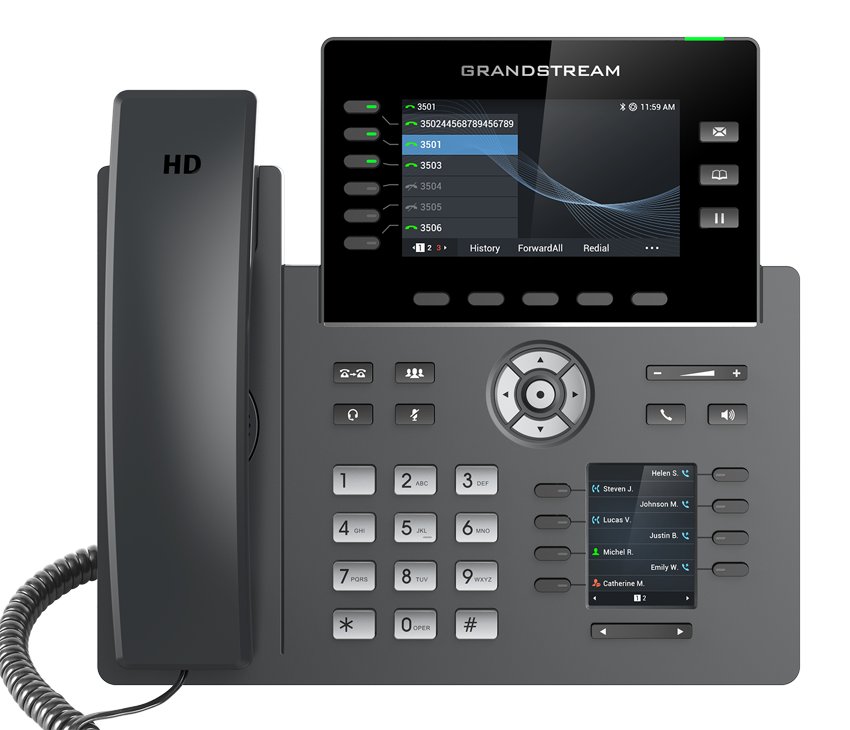
Custom telephony isn’t just about adding features; it’s about designing a system that works specifically for your organization. Cloud-managed platforms and innovative devices like Grandstream’s IP phones enable flexible, scalable networks that adapt as your business grows. These solutions support advanced call routing, auto-attendants, and integrations with customer management tools—all tailored to your specific requirements. The result is a more efficient, responsive communication infrastructure that enhances customer experiences and internal collaboration.
Adopting a tailored approach also means transforming how your teams communicate. With the right system in place, your staff can handle calls more effectively, access vital information quickly, and respond to customer needs with confidence. This level of customization fosters smoother workflows, reduces miscommunication, and minimizes downtime. As a result, organizations can operate more smoothly, offering a professional image that resonates with clients and partners alike.
The evolution of telephony technology, especially with the rise of cloud platforms and mass deployment devices, makes these tailored solutions accessible and manageable. Devices like Grandstream’s IP phones support rapid deployment across multiple locations, and cloud management simplifies ongoing maintenance. This combination ensures your communication system remains reliable, up-to-date, and aligned with your changing needs—all without heavy technical overhead. It’s a strategic move that maximizes efficiency and prepares your organization for future growth.
Ultimately, customized telephony turns a basic communication tool into a strategic asset. It enables businesses to craft a communication environment that’s as unique as their operations, helping to elevate customer service, boost productivity, and support scalable expansion. By investing in these tailored solutions today, organizations set themselves up for a more connected, efficient, and agile future.
Unveiling the Core of Modern Telephony Technology
Modern telephony has undergone a significant transformation from traditional landlines to flexible, internet-based systems. At the heart of this shift is Voice over Internet Protocol (VoIP), which converts voice signals into digital data that travels over the internet. This technology not only reduces communication costs but also opens up a world of customization options, allowing businesses to tailor their phone systems to specific needs. VoIP’s scalability makes it easy to expand or modify networks as your organization grows, ensuring your communication infrastructure remains aligned with evolving demands.
IP phones play a vital role in this digital landscape. Unlike conventional phones that rely on physical copper wires, IP phones connect directly to the internet, supporting high-definition audio and advanced features. They come in a variety of models, from simple desk units for basic calls to sophisticated devices equipped with multiple lines, touchscreen interfaces, and integrated applications. Their compatibility with cloud management platforms simplifies deployment and ongoing maintenance, making it easier for organizations to manage large fleets of devices across multiple locations.
In Transform Your Business Communication with Customizable Telephony Solutions, Wy Kelly examines this topic further on Tipping Top Hat.
Cloud telephony platforms have become the backbone of modern business communication. These systems allow remote configuration, management, and troubleshooting through web-based dashboards. Features like call routing, auto-attendants, and voicemail-to-email integration enhance efficiency and create a seamless experience for users. By removing the need for bulky on-site hardware, cloud platforms offer flexible scalability and rapid deployment, helping organizations respond quickly to changing needs and new opportunities.
Understanding the core concepts—VoIP, IP phones, and cloud telephony—is essential for making informed decisions about your communication setup. VoIP enables voice calls over the internet, vastly reducing costs and increasing flexibility. IP phones are designed specifically for these digital networks, supporting high-quality audio and easy configuration. Cloud management centralizes control, allowing you to remotely monitor, update, and troubleshoot your entire system, which minimizes downtime and maximizes efficiency.
The evolution from traditional landlines to digital, internet-based solutions reflects a broader trend toward smarter, more adaptable infrastructure. These advancements support complex workflows, remote work, and multi-site operations, empowering businesses of all sizes to stay competitive. Devices like Grandstream’s IP phones facilitate quick, large-scale deployment through features like mass provisioning, while techniques like Quality of Service (QoS) ensure high call quality even in complex network environments. This blend of innovation and reliability makes modern telephony a strategic asset for any organization aiming to improve communication and operational agility.

Practical Steps to Deploy Tailored Telephony Systems
Implementing customized telephony solutions starts with a clear understanding of your organization’s unique communication needs. Begin by analyzing how your teams interact daily—spotting bottlenecks, repetitive tasks, and areas where effective communication can be improved. This focused assessment ensures that your system isn’t just functional but precisely aligned with your workflows, maximizing efficiency from the start. A well-defined plan helps avoid unnecessary complexity and sets a solid foundation for deployment.
Choosing the right hardware is crucial. Devices like Grandstream’s IP phones are designed for quick deployment and easy scalability. Their support for mass provisioning allows you to configure hundreds of phones remotely, saving time and reducing errors. When paired with a cloud management platform, these devices become even more flexible—they can be updated, monitored, and managed from anywhere, streamlining ongoing maintenance and adjustments as your organization grows.
Leverage cloud management platforms to simplify deployment. These tools enable you to remotely provision devices, push software updates, and troubleshoot issues without needing to visit each unit physically. Centralized control accelerates setup, enhances security, and ensures your system stays current and reliable. This approach makes scaling seamless, whether you’re adding new locations or expanding existing ones, without disrupting daily operations.
Staff training plays a vital role in realizing the full potential of your new system. Providing clear instructions and hands-on practice helps your team understand key features like personalized call routing, voicemail-to-email, and CRM integration. Well-trained staff are more confident and efficient, which translates into smoother interactions with customers and fewer technical hiccups. Proper onboarding encourages adoption and maximizes the benefits of your tailored telephony environment.
Standardizing device configurations across all locations ensures consistency and simplifies troubleshooting. Uniform settings help maintain a professional image and create a seamless experience for staff. As your organization expands, this consistency allows new sites to adopt the same standards quickly, supporting scalable growth without sacrificing quality or reliability. It also reduces support costs by minimizing configuration errors.
Readers looking for more background should consult Willa Hines‘s article Revolutionize Business Communication with Customizable Telephony Solutions on Lady, My Precious….
Integrating your telephony system with other business tools enhances its value. Connecting phones with CRM platforms, helpdesk systems, or scheduling tools creates a unified workflow. For example, staff can access customer details during calls, speeding up service and boosting accuracy. Automated features like auto-attendants can handle routine inquiries, freeing your team for more complex tasks and reducing customer wait times, ultimately improving overall efficiency.
While deploying customized telephony solutions offers significant advantages, careful planning helps avoid common pitfalls. Overly complex configurations or excessive customization can increase initial setup time and maintenance complexity. Small businesses should weigh the benefits against costs, and partnering with experienced vendors ensures your system remains reliable, scalable, and secure over the long term. Thoughtful execution turns your telephony system into a strategic asset that drives growth and enhances communication.
Effective Strategies for Seamless Telephony Deployment
Implementing personalized telephony solutions begins with a clear understanding of your organization’s unique communication needs. Start by analyzing how your teams interact on a daily basis—identify bottlenecks, repetitive tasks, and areas where communication could be more efficient. This targeted assessment ensures your system isn’t just functional but precisely aligned with your workflows, laying a strong foundation for deployment.
Choosing the right hardware is crucial for a smooth rollout. Devices like Grandstream’s IP phones support rapid deployment and easy scalability through features like mass provisioning. This means you can configure hundreds of phones remotely, saving time and minimizing errors. Pairing these devices with a cloud management platform further enhances flexibility, allowing you to update, monitor, and manage your entire fleet from anywhere, simplifying ongoing maintenance.
Leverage cloud management tools to streamline the entire deployment process. These platforms enable remote provisioning, software updates, and troubleshooting—eliminating the need for physical access to each device. Centralized control accelerates setup, boosts security, and ensures your system remains current and reliable as your organization expands or shifts. This approach makes scaling seamless without disrupting daily operations.
Training your staff on the new system is key to unlocking its full potential. Provide clear instructions and hands-on practice to familiarize your team with features like personalized call routing, voicemail-to-email, and CRM integration. Well-trained staff are more confident and efficient, leading to smoother interactions with customers, fewer technical issues, and higher adoption rates. Proper onboarding turns your telephony system into a true productivity enhancer.
This subject is addressed in Transform Your Business Communication with Custom Telephony Solutions, an article by Abigail Wallace on Strider European Journey.
Standardizing device configurations across all locations promotes consistency and simplifies troubleshooting. Uniform settings create a professional appearance and deliver a seamless user experience. As your organization grows, this standardization allows new sites to adopt the same setup quickly, supporting scalable expansion without sacrificing quality or reliability. It also reduces support costs by minimizing configuration errors.
Integrating your telephony system with other business tools amplifies its value. Connecting phones with CRM platforms, helpdesk software, or scheduling tools creates a unified workflow. For example, staff can access customer details during calls, speeding up service and improving accuracy. Automated features like auto-attendants handle routine inquiries, freeing your team for complex tasks and reducing customer wait times—boosting overall efficiency.
Careful planning and execution are essential to avoid common pitfalls. Overly complex configurations or excessive customization can lead to higher setup times and increased maintenance. Small businesses should weigh the benefits against costs, and partnering with experienced vendors ensures your system remains reliable, scalable, and secure over the long term. Thoughtful deployment transforms your telephony into a strategic asset that drives growth and enhances communication.
Looking Ahead: The Future of Customized Telephony Systems
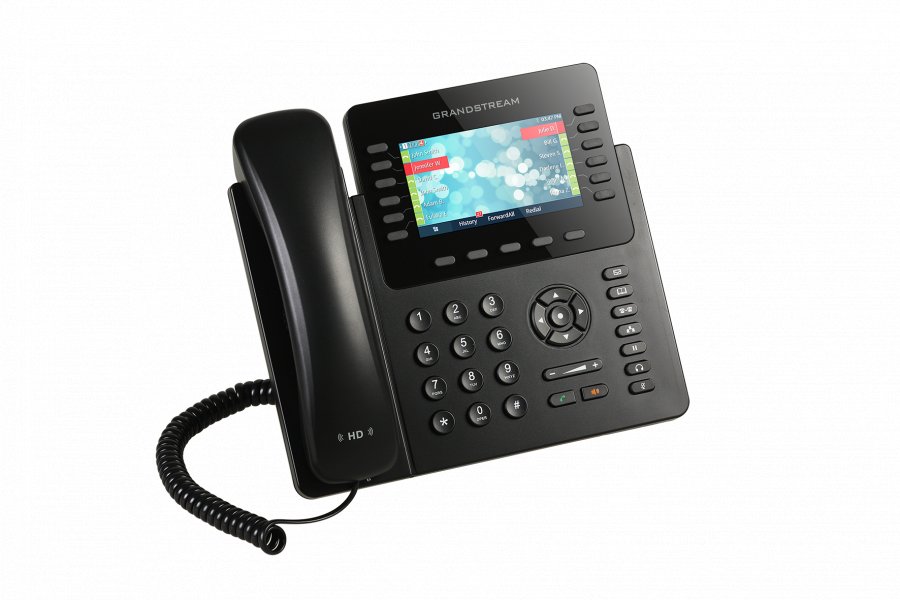
Looking ahead, the future of customized telephony is set to become even more intelligent and intuitive, driven by advances in artificial intelligence and machine learning. These technologies will enable smarter call routing, personalized interactions, and predictive assistance that anticipate user needs before they’re spoken. Cloud platforms will continue evolving, offering seamless scalability and more sophisticated management tools that make deploying and maintaining tailored systems simpler and more efficient than ever.
As innovations unfold, organizations will enjoy greater flexibility in designing communication environments that adapt rapidly to changing workflows and customer expectations. Customization will extend beyond basic features, incorporating automation, AI-powered support, and deeper integrations with other digital tools. This integrated approach will create communication ecosystems that are not only efficient but also highly responsive, fostering stronger relationships and improved service delivery.
The deployment of cloud-managed systems and mass-configurable devices will further democratize access to advanced telephony solutions. Smaller businesses will benefit from the same scalability and customization capabilities as larger enterprises, leveling the playing field and encouraging innovation across industries. Enhanced security measures will keep data safe, giving organizations confidence to adopt comprehensive, personalized solutions without risking breaches or downtime.
Early adoption of these future-ready systems offers a strategic advantage. Businesses leveraging AI-driven features, scalable cloud platforms, and rich device integrations will be better positioned to respond swiftly to market shifts and customer needs. These systems will support remote work, multi-site operations, and complex workflows with ease, transforming communication from a basic utility into a key driver of growth and operational excellence.
The evolution toward smarter, more connected communication systems promises a future where tailored solutions are the norm rather than the exception. Companies that embrace these innovations now will craft resilient, adaptable infrastructures capable of growing with them. This proactive approach ensures they remain competitive and relevant in an increasingly digital, fast-paced world.
In this landscape, customized telephony will become a vital component of broader digital transformation strategies. It will enable organizations to deliver more personalized, efficient, and reliable communication experiences—strengthening customer loyalty and internal collaboration alike. As these systems become more integrated and intelligent, they will unlock new levels of productivity and innovation.
Staying ahead means continuously exploring emerging features like automation, contextual assistance, and deeper integrations. By investing today in scalable, secure, and flexible solutions, organizations set themselves up for long-term success. These future developments will make communication more seamless, more proactive, and more aligned with the dynamic needs of modern business.
Ultimately, the journey toward smarter, more adaptable telephony systems is ongoing. Businesses that invest in these innovations early will not only improve their current operations but also position themselves as leaders in digital communication. This evolution promises a connected, responsive, and resilient future—one where tailored telephony solutions help organizations thrive amidst change.