In an era dominated by screens and digital interactions, can tending a garden together unlock deeper human bonds and promote healing? This compelling exploration reveals how shared outdoor activities transcend mere horticulture, fostering patience, trust, and genuine communication. From ancient communal gardens to modern urban farms, the act of nurturing life has historically strengthened communities and individual well-being. Today, innovative trends like mindfulness gardens, eco-therapy, and smart gardening tools exemplify how this timeless practice evolves, bridging gaps across cultures, ages, and abilities. Gardening becomes more than a pastime; it transforms into a powerful ritual that nurtures emotional resilience, rebuilds trust, and cultivates lasting relationships amid the chaos of the digital age. But as technology enhances accessibility and connectivity, does the simplest act of tending soil hold the key to authentic human connection in a fragmented world? The answer lies in our ability to slow down, nurture together, and watch relationships—and plants—thrive.
Reconnect and Heal Through Gardening in a Digital World
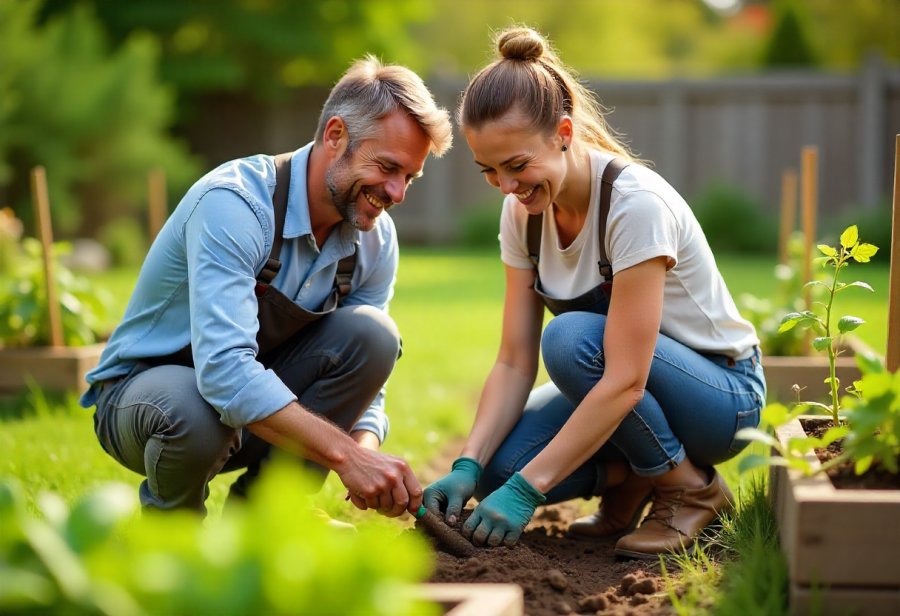
In a world dominated by screens and digital connections, it’s easy to feel a sense of distance from those around us, even when we’re in the same room. Gardening together offers a simple, yet powerful way to break through that digital noise and reconnect on a human level. There’s something grounding about stepping outside, feeling the soil in your hands, and working side-by-side to nurture life. These shared moments create a natural space for conversation and cooperation, without the awkwardness that can sometimes accompany more formal interactions.
When we work in a garden together, the focus shifts from devices to something real and tangible. Planting seeds, watering rows of vegetables, or tending blooming flowers encourages a relaxed and organic form of communication. Over time, these shared efforts foster patience, support, and trust—elements that form the foundation of deeper bonds. Tending a garden becomes more than a task; it turns into a meaningful ritual of care that strengthens relationships in ways digital interactions often can’t.
Gardening isn’t just about the physical activity; it’s an emotional nourishment as well. The sensory experiences—the feel of soil, the scent of greenery, the sight of new growth—invite mindfulness and presence. Sharing these moments with others amplifies their impact, creating a space for genuine conversations and shared pride in collective progress. Watching plants grow and thrive together subtly mirrors the growth of trust and understanding between people.
In times of stress or uncertainty, tending a garden with loved ones can be especially healing. The act of nurturing life and witnessing growth provides a calming effect, reducing anxiety and elevating mood. Facing setbacks like pests or unpredictable weather teaches patience and perseverance, reinforcing that nurturing relationships requires time and effort—just like caring for plants. These shared challenges become opportunities for connection and resilience.
Gardening together also offers a gentle reminder that meaningful bonds are cultivated through patience and shared purpose. It’s about more than just planting and watering; it’s about creating a space where conversations flow naturally and trust develops organically. These moments of collaboration and mutual effort can extend beyond the garden, enriching everyday interactions and fostering a sense of belonging.
By slowing down and immersing ourselves in outdoor activities, we tap into a timeless way of reconnecting. Gardening becomes a shared language—one that speaks of care, patience, and hope. It reminds us that some of the most profound bonds are rooted in simple acts of tending and nurturing, whether it’s a plant or a relationship. In a digital age that often encourages disconnection, gardening offers a refreshing path back to genuine human connection.
Uncovering the Roots and Psychology of Gardening as a Bonding Ritual
Gardening as a bonding activity isn’t a modern invention; it has deep roots stretching back through centuries of human history. Ancient societies like Egypt, Greece, and China used shared gardens not just to grow food, but as communal spaces that fostered cooperation and social cohesion. These gardens served as gathering places where people worked side by side, exchanged knowledge, and strengthened their sense of community. Their enduring presence reminds us that tending to the land has long been a natural way for humans to build relationships and support collective well-being.
Psychological theories help explain why gardening promotes emotional bonds. Attachment theory, for instance, suggests that caring for plants and engaging in outdoor activities create feelings of safety and trust. When people nurture life, they reinforce their own sense of security and connection with others. Gardening encourages patience, support, and mutual effort—traits that translate into stronger relationships. This is why horticultural therapy, used in mental health practices, highlights the healing power of tending to living things.
Across different cultures, gardening has played a sacred and social role. In Japan, Zen gardens promote mindfulness and tranquility, helping individuals find inner peace through deliberate tending. Indigenous communities often regard land cultivation as a spiritual act that maintains harmony with ancestors and nature. Mediterranean societies have used community gardens as social hubs that strengthen cultural identity and resilience. These examples show that regardless of geography, gardening remains a universal language of care, connection, and healing.
Historically, communal gardens have helped communities weather difficult times. During wars and economic hardships, shared spaces like European allotments became symbols of cooperation and hope. Neighbors worked together, sharing resources and stories, which bolstered social bonds. Today, urban farming initiatives and local community gardens continue this tradition, transforming neglected spaces into vibrant centers for relationship-building. These gardens are more than just green patches—they’re active engines of resilience and emotional support.
Cultivate Connection and Healing Through Gardening Together is one example of how Talia Adams approaches this topic on Little Ducky, You're the One!.
Throughout history and across cultures, influential figures have recognized gardening’s role in emotional healing and social cohesion. Friedrich Froebel, founder of the kindergarten, believed that nature and play are essential for development. Urban planners like Jane Jacobs promoted community gardens as tools for neighborhood renewal. Such ideas elevated gardening from a simple pastime to a meaningful activity that nurtures human relationships and well-being. These perspectives remind us that tending a garden isn’t just about plants—it’s about cultivating connection at a fundamental level.
The universal appeal of gardening stems from its ability to foster patience, cooperation, and shared purpose. These qualities naturally support the development of trust and emotional intimacy. When people work together in tending plants, they create a sense of mutual achievement and belonging that can extend beyond the garden into everyday life. This shared effort provides a foundation for stronger bonds, especially in a world increasingly fragmented by digital distractions.
In essence, the act of gardening taps into something deeply human—a desire to nurture, to grow, and to connect. Its rich history and cultural significance underscore its power to bring people closer, regardless of background or belief. By understanding the psychological and social roots of gardening, we see how this simple activity continues to serve as a vital tool for building relationships, healing wounds, and fostering a sense of community in an ever-changing world.
Modern Trends and Innovations Elevating Gardening for Relationship Growth
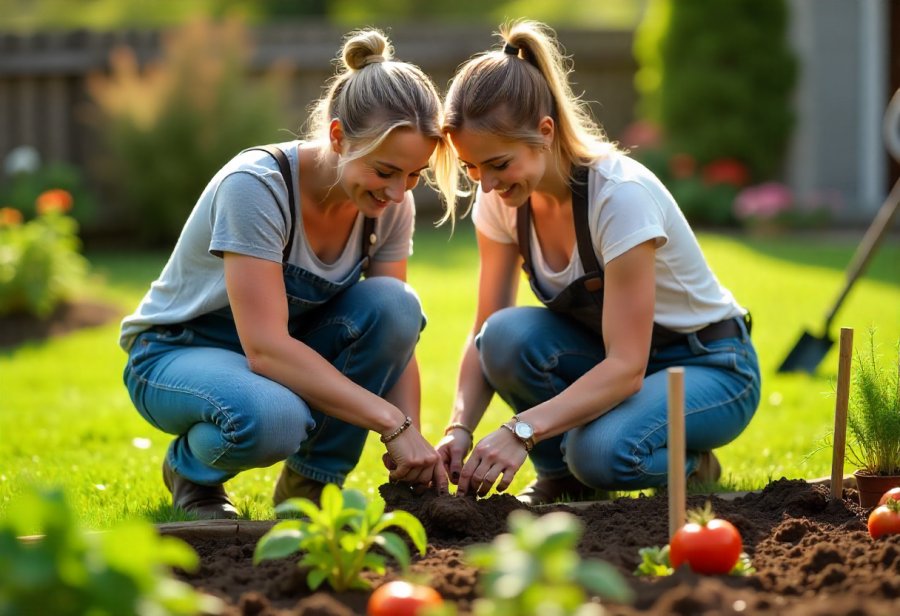
Today, gardening is increasingly seen as a meaningful way to strengthen bonds and foster emotional well-being, especially in a world where digital screens often dominate our interactions. No longer just a solitary hobby, gardening has evolved into a shared activity that encourages teamwork, communication, and genuine connection. Whether it’s a family planting vegetables or friends tending a community plot, working side by side outdoors creates a natural environment for authentic conversations and mutual support, deepening trust and a sense of belonging.
Modern gardening approaches focus on accessibility and inclusivity, transforming urban spaces into vibrant hubs of cooperation. Community gardens, rooftop farms, and urban farms turn neglected areas into lively centers for social interaction. These shared efforts promote learning, cooperation, and collective growth, which help build stronger relationships that extend beyond the garden itself. As people work together to cultivate these spaces, they develop a sense of resilience and community spirit that benefits everyone involved.
On Euler-Mascheroni Constant, Phoebe Edwards covers this topic in more detail in Cultivating Connection and Healing Through Shared Gardening.
The rise of outdoor therapy gardens highlights how gardening’s mental health benefits are shaping current trends. Designed for mindfulness and relaxation, these gardens are increasingly used in clinics, schools, and workplaces. They provide calming environments where individuals can reconnect with nature and each other, reducing stress and boosting mood. Programs focused on therapeutic horticulture emphasize how tending plants can be a powerful tool for emotional healing, resilience, and social bonding.
Technology is also playing a growing role in connecting gardeners worldwide. Digital platforms allow enthusiasts to exchange tips, share progress, and celebrate achievements, creating a global community rooted in shared passion. Smart gardening tools—like app-controlled watering systems and soil sensors—make plant care more accessible, especially for beginners or those with physical limitations. These innovations help bridge gaps, making gardening an inclusive activity that fosters collaboration and learning across borders.
Educational initiatives and workshops further enhance gardening’s role in relationship building. Intergenerational programs, school projects, and community classes emphasize teamwork, patience, and skill development. These activities create spaces for diverse groups to share stories and knowledge, fostering empathy and understanding. The act of working together in gardens, whether planting, watering, or harvesting, turns into a bonding experience that enriches social ties and promotes community cohesion.
The growth of eco-therapy and nature-based healing programs underscores gardening’s expanding importance in mental health care. Structured activities like planting therapy sessions, wilderness retreats, and outdoor mindfulness exercises help individuals develop emotional resilience and social bonds. Increasingly integrated into mental health services, these approaches demonstrate that outdoor gardening can be a versatile and accessible way to promote healing, reduce anxiety, and strengthen relationships.
Looking forward, the future of gardening as a tool for relationship growth appears promising. Innovations like mindfulness-focused, screen-free gardens are gaining popularity, providing spaces for genuine presence and conversation. Urban renewal projects continue transforming neglected areas into vibrant community spaces, emphasizing shared effort and inclusivity. As technology advances, so does the potential for more engaging, accessible ways to connect through outdoor gardening, reinforcing its role as a simple yet profound act of nurturing bonds and well-being in our increasingly disconnected world.
Practical Ways Gardening Strengthens Bonds and Promotes Emotional Well-Being
Gardening offers practical ways to deepen relationships and boost emotional well-being by turning everyday tasks into meaningful shared experiences. Simple activities like planting flowers, tending vegetables, or watering herbs create natural opportunities for teamwork and open communication. These routines foster a sense of mutual purpose, patience, and pride, strengthening bonds beyond the garden. When partners or family members work together regularly, they often feel more connected, less stressed, and more resilient in facing life’s challenges.
Engaging in routine gardening tasks naturally invites calm and conversation. Whether watering plants or harvesting produce, these activities provide peaceful moments where people can connect without distractions. As they tend to the same plants, they develop patience and understanding—qualities that positively influence other parts of their relationships. Over time, these small shared moments build trust and a sense of collective achievement that deepens emotional ties.
The mental health benefits of gardening are well-documented. Spending time outdoors, nurturing plants, and witnessing growth help reduce stress and elevate mood. When these activities are shared, they become even more powerful, creating a supportive environment that reinforces resilience. Facing garden setbacks like pests or unpredictable weather together teaches perseverance and patience, reminding us that growth—both for plants and relationships—requires time and effort.
Personal stories highlight how gardening can transform bonds and foster healing. Couples working side by side on a vegetable patch often find that tending crops encourages open dialogue and mutual patience. Families creating a flower bed in memory of a loved one discover that caring for the garden becomes a comforting ritual that helps process grief collectively. Community gardens further demonstrate how shared effort and cooperation lead to lasting friendships and a stronger sense of belonging.
To make gardening a meaningful bonding activity, start with manageable tasks like planting herbs or flowers together. Using tools such as gardening journals can help track progress and reflect on shared experiences. Incorporating routines like watering or harvesting into weekly schedules turns chores into moments of connection. Setting shared goals, like growing a specific crop or creating a special space, fosters purpose and motivation.
For a related viewpoint, Daph Fox covers this in Garden as Sanctuary: Discover the Power of Planting to Heal Wounded Relationships on Zat Blog.
Being mindful of potential challenges helps keep gardening a positive experience. Setting realistic expectations about results prevents frustration, especially for beginners. Respecting individual needs and physical limitations ensures everyone remains comfortable and engaged. Open communication about styles and paces helps avoid misunderstandings, while flexibility with environmental factors like weather encourages patience and adaptability.
Approaching gardening with patience and shared purpose transforms it from a simple activity into a nurturing ritual that strengthens emotional bonds and promotes healing. These shared efforts build a foundation of support and trust that can extend into other areas of life. By tending plants together, we nurture not only greenery but also the relationships that sustain us, making gardening a powerful tool for connection and emotional resilience.
Future Visions: How Gardening Will Continue to Foster Connection and Resilience
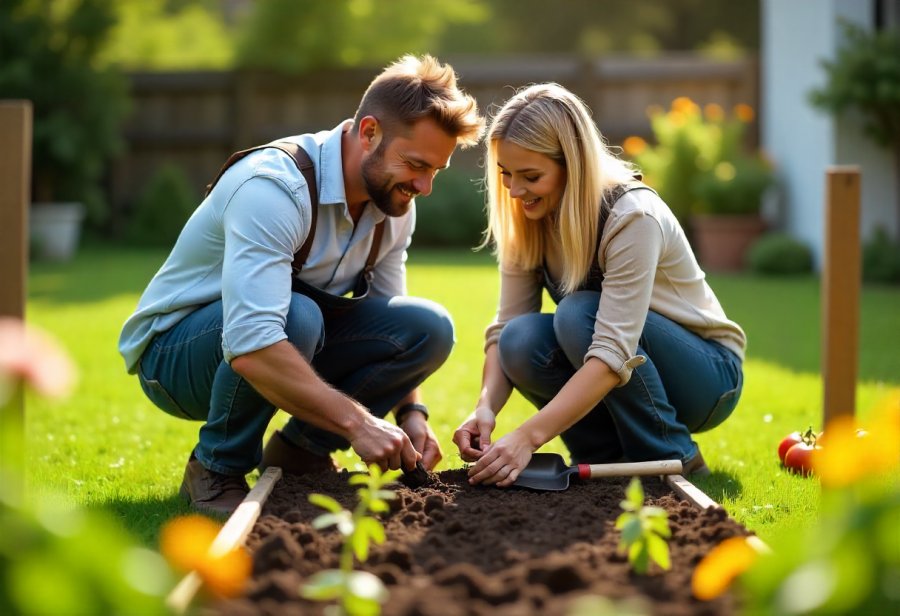
Looking ahead, gardening’s role in strengthening relationships and fostering emotional healing is set to become even more vibrant and innovative. One exciting trend is the rise of mindfulness-focused gardens designed for intentional, screen-free engagement. These spaces invite people to reconnect with nature and each other without digital distractions, creating environments that nurture genuine presence and meaningful conversation. As awareness around mental health grows, these gardens are gaining popularity as calm retreats that promote relaxation, reflection, and authentic connection.
Urban agriculture and community gardens are transforming neglected spaces into lively social hubs. These initiatives make gardening accessible to city dwellers, bringing together diverse groups to share effort, stories, and knowledge. By working side by side in these shared environments, communities build resilience, trust, and a sense of belonging—elements that are increasingly vital in our fast-paced, digital age. These green spaces serve as anchors for relationship-building, turning collective effort into lasting bonds.
Advances in technology are also shaping how we connect through gardening. Smart tools like app-controlled watering systems and soil sensors simplify plant care and make gardening accessible for all, regardless of experience or physical ability. Digital platforms enable gardeners worldwide to exchange tips, celebrate milestones, and foster a sense of global community rooted in shared passion. These innovations break down barriers, turning gardening into an inclusive activity that promotes collaboration and learning across borders.
Meanwhile, the growth of eco-therapy and nature-based healing programs highlights gardening’s expanding therapeutic potential. Structured activities such as planting therapy sessions or wilderness retreats help individuals develop emotional resilience and social bonds. Increasingly, mental health services, schools, and workplaces incorporate outdoor gardening into their programs, recognizing it as a versatile, accessible way to promote healing and relationship growth. These initiatives reinforce that caring for plants isn’t just about growth—it’s about nurturing human connections.
Designing inclusive, mindful gardens aimed at fostering genuine presence will likely become a hallmark of future projects. These spaces prioritize simplicity and accessibility, encouraging people to slow down, breathe, and truly connect. As urban renewal projects turn neglected areas into vibrant community gardens, they demonstrate a clear shift toward collective effort and shared purpose. The act of tending a garden is increasingly seen as a vital tool for rebuilding emotional bonds in an often disconnected world.
With technology continuing to evolve, the potential to make outdoor gardening more engaging and inclusive expands. Virtual communities, mobile apps, and innovative tools create opportunities for people to participate regardless of location or physical limitations. These advances make gardening more than a pastime; they turn it into a powerful bridge for connection, learning, and mutual support on a global scale. The future landscape of garden-based relationship building is bright and accessible.
As the focus on mental health and community resilience deepens, outdoor spaces designed for connection will become integral to well-being strategies. Mindfulness gardens, eco-therapy sites, and urban farms will serve as sanctuaries for emotional healing and social bonding. These spaces remind us that caring for the land and each other is a timeless act, especially vital amid the challenges of modern life.
In this evolving environment, tending to a garden will remain a simple yet profound act of nurturing bonds. It’s a reminder that growth—whether in plants or relationships—requires patience, support, and shared effort. As we continue to innovate and reimagine outdoor spaces, the garden’s power to heal, connect, and inspire will only grow stronger, reaffirming its place as a vital tool for emotional resilience and lasting human connection.