Underground street racing is more than a reckless pursuit of speed—it’s a culture rooted in loyalty, brotherhood, and shared identity that endures despite ongoing law enforcement crackdowns. These clandestine races, held in hidden urban corners, foster deep bonds through rituals, routines, and custom vehicle modifications that symbolize allegiance. Driven by rebellion and passion, racers build more than cars—they forge communities where trust, sacrifice, and mutual support transform fleeting nights into lifelong relationships. As digital platforms enable new generations to organize and share their craft, the scene evolves, blending artistry with high performance. But amidst external challenges, the core question remains: can this resilient culture continue to thrive in shadows, fueled by the unbreakable bonds of kinship? Underground racing proves that human connection and shared purpose can withstand adversity, turning the thrill of speed into a powerful movement of loyalty and brotherhood that keeps burning brightly beneath city lights.
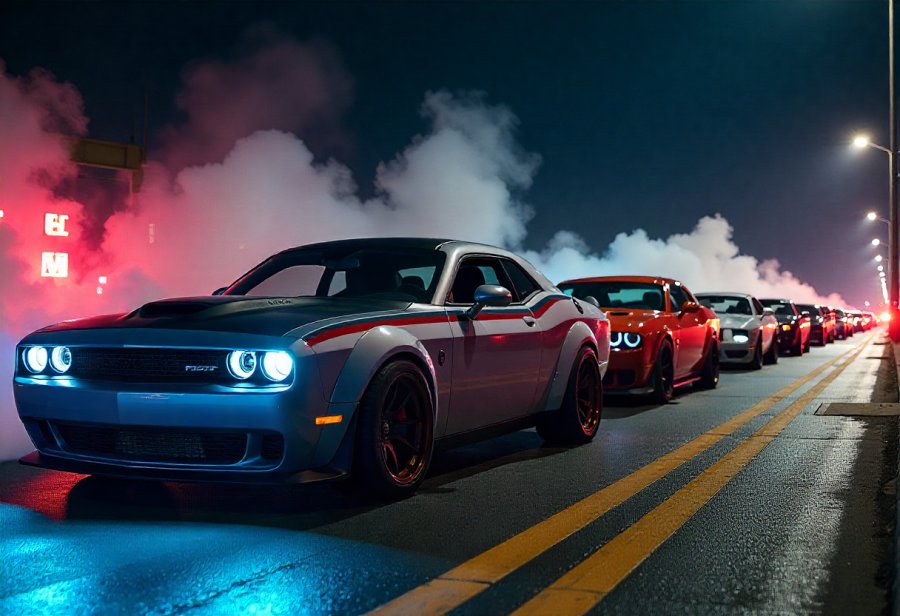
Underground Street Racing: A Community of Speed, Loyalty, and Rebellion
Underground street racing isn’t just about the rush of speed; it’s a vibrant thread woven into the fabric of urban life. These clandestine races happen in hidden corners of the city—late at night, in quiet alleyways, or deserted parking lots—where the thrill of acceleration and the mastery of driving skills take center stage. For many participants, it’s a way to carve out their own space, express creativity, and forge a sense of belonging in a scene that values loyalty and brotherhood over strict legality.
This culture has deep roots in rebellion and passion. What started as spontaneous gatherings—drivers testing their limits in empty streets—has grown into a complex community built on trust, shared rituals, and unspoken codes. These rituals, from last-minute car checks to coded signals, serve to reinforce bonds and create a feeling of safety amid the risks. Despite the dangers, the scene persists because of the strong sense of connection that members share, turning individual racers into a family.
Media influences have played a big role in shaping underground racing’s identity. Films like “The Fast and the Furious” romanticized these shadowy scenes, turning them into symbols of rebellion, style, and technical mastery. As a result, races became more organized, with crews forming around particular cars, styles, and traditions. Social media now helps keep these communities alive, with private groups sharing race footage, modifications, and secrets that foster a sense of loyalty and pride beyond the streets.
At its core, underground street racing is about more than just speed—it’s about brotherhood. The cars themselves often reflect this connection, with custom paint jobs, performance upgrades, and eye-catching designs acting as visual badges of allegiance. These vehicles tell stories of dedication, personal identity, and crew loyalty, turning each race into a shared ritual of trust and respect. Through these symbols and shared experiences, racers find a sense of belonging that extends well beyond the adrenaline-fueled nights.
Even with increasing law enforcement crackdowns, the scene endures because of the bonds built on loyalty, shared risks, and mutual support. Racers rely on each other for mechanical help, emotional backing, and protection, creating a community that feels more like family than just a group of drivers. These relationships are reinforced through routines, secrets, and rituals that foster a deep sense of trust, allowing the culture to adapt and survive in the shadows.
In essence, underground street racing is more than just a high-octane activity—it’s a social movement rooted in human connection. It’s about forging unbreakable bonds through shared passions, risks, and rituals. Even as external pressures mount, the core values of loyalty and kinship continue to sustain this vibrant community, proving that in the world of underground racing, brotherhood runs deeper than the need for speed.
From Spontaneity to Symbol: The Evolution and Roots of Street Racing
Street racing’s roots go back to a time when young car enthusiasts in cities sought more than just a scenic drive—they craved adrenaline, recognition, and a way to stand out outside mainstream motorsports. In those early days, races were spontaneous, often held late at night in empty parking lots, alleyways, or quiet city streets. Driven by rebellion and a genuine passion for speed, these gatherings were about testing skills and machines in secrecy, creating a community built on shared risks and mutual respect. There was no formal structure—just raw enthusiasm and a desire to push limits that bonded participants through their love of racing.
As media exposure grew, the scene’s image shifted dramatically. Movies like “The Fast and the Furious” glamorized underground racing, turning it into a symbol of rebellion, style, and technical mastery. This visibility inspired a new wave of enthusiasts eager to imitate what they saw on screen, transforming spontaneous events into more organized gatherings. Crews began forming around specific cars and styles, developing rituals, signals, and codes of conduct that fostered loyalty and trust among members. The culture became increasingly structured, with local heroes emerging who set standards and inspired others to follow.
The rise of social media further accelerated this evolution. Platforms like Instagram and WhatsApp became virtual meeting spots, allowing racers to organize events, share modifications, and connect across city lines. This digital shift made the community more accessible and vibrant, even as the scene remained largely underground. Sharing videos of races, showcasing custom builds, and exchanging tips online strengthened bonds and kept the culture alive despite crackdowns from law enforcement. These online networks became vital to maintaining the scene’s resilience and sense of belonging.
Car modifications also grew more sophisticated, blending high performance with aesthetic expression. Turbocharged engines, neon lighting, aerodynamic kits, and eye-catching paint jobs are now symbols of allegiance and pride. Each upgrade and visual detail communicates loyalty to a crew, with the cars serving as moving badges of honor. This focus on craftsmanship and creativity deepens the connection among racers, turning their vehicles into expressions of personal identity and community pride. The culture’s evolution reflects a blend of rebellion, artistry, and technological innovation.
A complementary perspective is available on Mikael Hunter Legacy, where Kenneth Thomas wrote Rebel Speed Cultures and the Brotherhood Behind the Race.
Throughout its history, underground racing has been a dynamic dance of innovation and defiance. Despite external pressures and legal risks, the core of loyalty, brotherhood, and shared passion remains strong. New generations continue to breathe life into the scene, using online tools and creative modifications to keep the community connected. This resilience highlights how deeply rooted human bonds and a collective love for speed can survive even in secrecy and shadows, ensuring underground street racing endures as a vital, evolving movement.
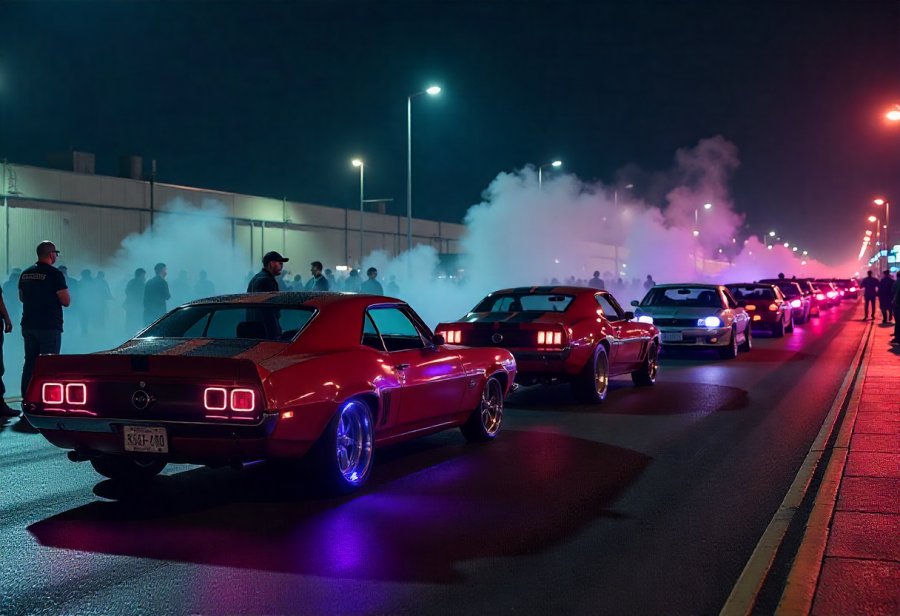
The Pulse of Today: Modern Trends and Practices in Underground Street Racing
Today, underground street racing continues to evolve alongside urban culture and technological advances. Racers increasingly organize their events through social media platforms, using private groups on Instagram, WhatsApp, and Facebook to coordinate races and share their latest modifications. This digital approach makes it easier to connect with like-minded enthusiasts and maintain tight-knit crews despite growing law enforcement pressures. Sharing videos of races, showcasing custom builds, and exchanging tips online keeps the community vibrant and accessible, even as the scene remains largely hidden from public view.
Car modifications have become more sophisticated, blending style with high performance. Turbocharged engines, neon lighting, aerodynamic kits, and eye-catching paint jobs are no longer just about speed—they’re symbols of identity and loyalty. These upgrades serve as visual badges within crews, representing dedication, skill, and allegiance. The attention to craftsmanship and aesthetics turns each vehicle into a moving expression of personal and collective pride, reinforcing bonds among racers and making each race a statement of loyalty.
You may also find value in Edwin Simmons‘s article Underground Street Racing: Bonds of Loyalty, Community, and Resilience available on Echoes Of A Number.
Night racing continues to be a core element of the scene, often organized through discreet signals, secret meeting points, or coded messages. Darkness offers a layer of privacy, allowing racers to focus on the adrenaline rush while reducing outside interference. These late-night sessions aren’t just about competition—they’re rituals that strengthen community ties. Trust and loyalty are built through routines like last-minute checks and shared gestures, which ensure safety and solidarity amid risks and law enforcement crackdowns.
Despite mounting challenges, the scene persists because of the deep bonds that define it. Many racers see their crews as extended families, supporting each other through personal hardships and celebrating victories together. Loyalty is reinforced through acts of sacrifice—rebuilding damaged cars, sharing resources, and standing by teammates facing legal trouble—all of which deepen the sense of kinship. These relationships often extend beyond racing nights, making the community resilient and adaptable in the face of external pressures.
Visual and mechanical symbols of loyalty—custom paint, performance upgrades, and distinctive designs—go beyond aesthetics. They tell stories of commitment, pride, and shared values, turning each vehicle into a badge of honor. This creativity and craftsmanship foster a shared identity that unites racers in a culture rooted in rebellion, artistry, and mutual respect. Each build and each race serve as a declaration of belonging, strengthening the bonds that keep underground racing alive.
As new generations step into the scene, they bring fresh energy and innovative ideas to keep the culture thriving. Leveraging online networks, social media, and creative modifications, they find ways to stay connected and relevant. Even with increased legal restrictions and surveillance, their unwavering focus on loyalty and brotherhood ensures the core spirit remains intact. The resilience of underground street racing highlights how human connection and shared purpose can endure, turning speed and risk into a powerful community that continues to evolve and thrive in the shadows.
Beyond the Race: How Street Racing Culture Shapes Skills, Bonds, and Lives
Participation in underground street racing extends far beyond the thrill of late-night sprints; it shapes skills and relationships that influence everyday life. Working on cars, troubleshooting issues under pressure, and making quick decisions develop technical abilities and confidence that can open doors to careers in automotive repair, tuning, or design. Many racers take pride in their craftsmanship, pushing themselves to improve and innovate, which often leads to tangible opportunities beyond the streets.
The bonds formed within racing crews go deeper than shared adrenaline. Trust and loyalty create a support network that can be more dependable than many conventional social ties. When a teammate faces mechanical setbacks or legal trouble, others step in with advice, resources, or moral support. These acts of solidarity forge a sense of family, rooted in shared risks and collective commitment. This mutual aid often extends into personal struggles, making the community a source of stability and resilience.
The article Unveiling the Hidden World of Underground Street Racing Loyalty and Rebellion by Layla Harper on Shirelles… provides useful background.
Stories of sacrifice highlight how profound these bonds truly are. When a car is damaged or lost, crews dedicate time and resources to rebuild it, showcasing a collective effort that emphasizes loyalty. Supporting each other through personal hardships or legal challenges isn’t uncommon; it’s part of the culture’s fabric. These acts of sacrifice deepen trust and reinforce the feeling that members are more than just racers—they’re family, united by shared purpose and unwavering loyalty.
Within these crews, routines and unspoken signals serve as vital elements of trust. Last-minute checks, coded phrases, and shared rituals before races strengthen cohesion. Maintaining confidentiality about race locations and strategies is crucial for safety and survival, especially with law enforcement cracking down. These routines, built on consistency and mutual respect, turn casual gatherings into enduring brotherhoods, where loyalty is embedded in everyday actions.
The influence of underground racing reaches into personal development and identity. Skills honed in the scene—problem-solving, mechanical expertise, quick decision-making—often benefit careers in automotive fields or entrepreneurship. Beyond technical growth, the emotional bonds fostered in these communities provide a sense of belonging and purpose. For many, the culture becomes a way to channel passion into meaningful connections, proving that underground street racing is about more than just speed—it’s about building a resilient, supportive brotherhood that lasts a lifetime.
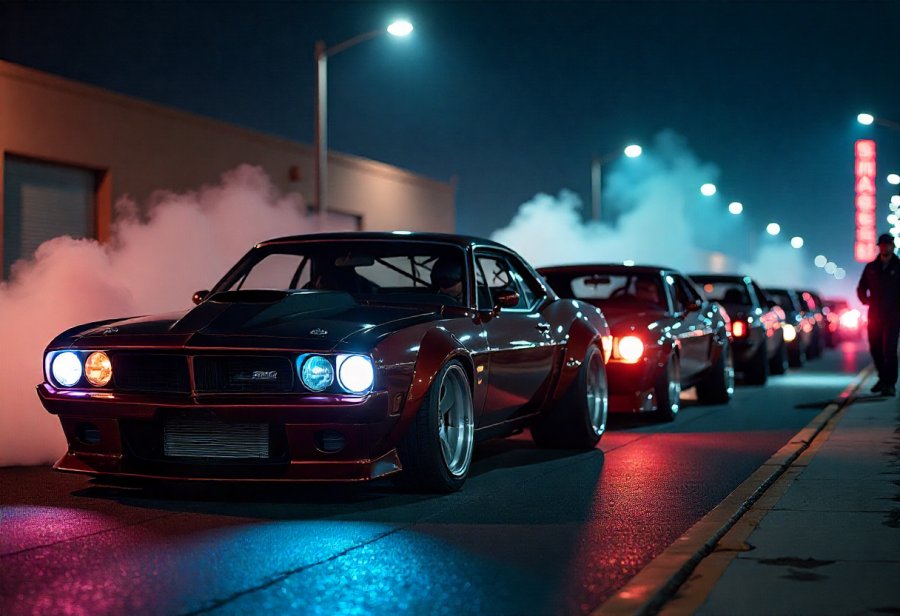
Enduring Spirit: The Future of Underground Street Racing and Its Unbreakable Brotherhood
Underground street racing has proven to be much more than a reckless pursuit of speed; it’s a vibrant, resilient culture rooted in loyalty, brotherhood, and shared identity. Over the years, it has endured because it taps into fundamental human needs for connection and belonging, especially in urban environments where traditional outlets for motorsport are limited. The bonds formed in these communities run deep, built through shared risks, rituals, and a collective passion that transcends mere adrenaline.
Despite increasing law enforcement crackdowns and urban policies aimed at curbing illegal racing, the scene persists because of its core values. Racers rely on each other for mechanical support, emotional backing, and protection, creating a community that feels more like a family than just a group of drivers. Rituals like last-minute checks, coded signals, and shared secrets act as safeguards, reinforcing trust and loyalty amid external threats. These routines turn casual gatherings into enduring brotherhoods rooted in mutual respect.
Looking to the future, underground racing faces significant challenges. Legal restrictions and surveillance threaten to push activities further underground, making organized, safe events harder to sustain. Yet, the spirit of brotherhood and community quickly adapts. New generations are harnessing digital platforms—social media, online forums, and encrypted groups—to keep their networks alive. These tools enable them to organize clandestine meets and share their passion, ensuring the culture’s resilience despite external pressures.
Cars themselves serve as powerful symbols of identity and allegiance. Custom paint jobs, performance upgrades, and unique designs are more than aesthetic choices—they are statements of dedication and pride. These visual markers and mechanical modifications act as badges of loyalty, turning each vehicle into a moving testament to individual and crew identity. This craftsmanship fosters a sense of belonging and shared purpose that keeps the community connected.
Beyond the thrill of racing, participation fosters skills and relationships that influence everyday life. Working on cars, troubleshooting under pressure, and quick decision-making develop technical abilities and confidence, often opening pathways into automotive careers or entrepreneurship. The bonds within crews—built on trust, sacrifice, and mutual aid—offer emotional stability and a sense of family that extends beyond the streets.
Acts of sacrifice, such as rebuilding damaged cars or supporting teammates through legal troubles, deepen these bonds. They transform a group of racers into a close-knit family committed to each other’s well-being. Routine routines and unspoken signals further reinforce this sense of loyalty, turning fleeting encounters into lasting relationships rooted in shared experiences and mutual respect.
The culture’s enduring strength lies in its ability to evolve while maintaining its core principles. New generations bring innovation and energy, leveraging technology and creative modifications to keep the scene vibrant. As long as passion and loyalty drive them, underground street racing will continue to thrive in the shadows, embodying a community where speed is secondary to kinship.
In the end, underground street racing exemplifies how human connection and shared purpose can flourish even amid adversity. Its roots in rebellion and creativity have grown into a movement defined by resilience, loyalty, and brotherhood. No matter what external obstacles arise, the bonds forged in these high-octane nights remain unbreakable, ensuring the culture’s vitality for years to come. As long as there are racers willing to push limits and support each other, this high-octane brotherhood will keep racing forward, fueled by loyalty and shared dreams.