Learning to drive symbolizes independence and growth, yet beneath the excitement lies a complex emotional landscape filled with nerves and self-doubt. Teenagers often grapple with fears of making mistakes, peer judgment, and the overwhelming responsibility of the road, which can persist even as their skills improve. This internal struggle is intensified by developmental factors—immature decision-making brains and heightened emotional responses—making confidence a delicate achievement. Modern approaches combine traditional training with innovative tools like simulators and supportive environments, emphasizing emotional resilience alongside technical mastery. Investing in both practical skills and psychological confidence dramatically impacts safe driving, reducing the likelihood of risky behaviors and accidents. Real-world examples demonstrate how small victories and positive reinforcement foster trust and calmness behind the wheel. Ultimately, transforming nervous beginners into confident drivers requires understanding, patience, and normalization of fears, helping teens navigate not just the physical roads, but the emotional journey towards responsible independence.

Navigating the Emotional Roadblocks to Teen Driving Confidence
Learning to drive is a milestone that many teenagers eagerly anticipate, symbolizing freedom, responsibility, and a step into adulthood. It’s a moment filled with excitement—finally taking control of the wheel, exploring new places, and feeling more independent. But beneath that enthusiasm, there’s often a quieter, more complex story unfolding.
For many teens, sitting behind the wheel for the first time brings a wave of nerves. The car, which once seemed simple when guided by an instructor, now feels like a unpredictable machine. Every turn, brake, and acceleration can trigger feelings of vulnerability, especially when navigating busy streets or unfamiliar routes. The mechanics of driving are just one part; the emotional weight of this transition is often overlooked.
These internal struggles—fear of making mistakes, worries about causing accidents, and concerns about peer judgment—are entirely normal. Even confident teens may find themselves hesitant or overwhelmed during practice. It’s important to see these feelings not as signs of inability, but as natural parts of the learning process. Recognizing them helps normalize the experience and reduces unnecessary self-criticism.
The journey to becoming a confident driver isn’t solely about mastering traffic laws or vehicle control. It’s also about managing the internal fears that come with newfound independence. The emotional challenge can be just as significant as the physical skill, shaping how teens approach driving and, ultimately, their safety on the road.
Supporting teens through this phase requires understanding that nerves and self-doubt are part of growth. With patience, encouragement, and a focus on building resilience, they can transform those initial fears into confidence. This internal shift is key to turning nervous beginners into responsible, self-assured drivers who are ready to navigate the wider world.
Understanding the Psychological Barriers Teen Drivers Face
Teenage driving is more than just learning to operate a vehicle; it’s a complex mix of skills, emotions, and perceptions that can stir up a range of fears. Many teens worry about causing an accident or making mistakes that could have serious consequences. These fears extend beyond physical safety—they also involve concerns about peer judgment, parental expectations, and their own self-image. Such anxieties can feel overwhelming, especially when everything feels new and uncertain during those early lessons.
Young drivers are still developing crucial emotional regulation and risk assessment skills. Their brains, particularly the prefrontal cortex responsible for decision-making, aren’t fully mature yet. This means they often underestimate dangers like speeding or distracted driving, while their limbic system—linked to emotions—is highly active, making them more impulsive and prone to intense feelings. This combination can heighten anxiety or push teens toward risky behaviors, even when they understand the rules.
This idea is explored further in Empowering Teens to Drive with Confidence and Calm, published by Edwin Simmons on Local News Japan.
Psychological readiness plays a key role in how teens approach driving. Confidence isn’t just built through hours behind the wheel; it also depends on their mental state and emotional resilience. When teens feel anxious or unsure, their focus shifts from safe driving to managing nerves, which can impair their reactions and decision-making. A calm, confident mindset helps them respond more effectively in unexpected situations, reducing the likelihood of mistakes.
Addressing these fears early on is essential. Many teens are concerned about peer judgment, fearing they’ll appear incompetent or fall short of expectations. Recognizing that such fears are normal creates a supportive environment where they can express concerns without shame. Building emotional resilience and confidence involves more than technical skills—it’s about helping teens see themselves as capable and responsible drivers.
Developmental factors also influence these emotional challenges. Teens desire independence but often feel conflicted about risks, which can lead to internal struggles. Supporting them with patience and understanding helps navigate these conflicting feelings, fostering a healthier attitude toward driving and safety. Encouraging self-awareness and open dialogue empowers teens to manage their emotions and develop a more positive outlook.
Understanding the emotional side of teenage driving highlights why combining technical instruction with psychological support matters. Normalizing fears, normalizing mistakes as part of learning, and promoting resilience are crucial steps. When teens feel supported and understood, they’re more likely to develop into confident, competent drivers who carry their independence—and emotional strength—beyond the first lesson.

Current Strategies and Innovations in Teen Driver Support
Today’s approach to teen driver training blends traditional methods with innovative strategies aimed at easing emotional hurdles. Most teens start with classroom lessons covering traffic laws, safety rules, and vehicle basics, followed by supervised practice with parents or instructors. While these methods lay a solid foundation, many teens still grapple with significant anxiety, especially when stepping from controlled environments into real traffic. The support systems vary widely—some teens benefit from encouraging family environments, while others lack emotional guidance during this vulnerable phase.
Recent advancements have introduced tools like driving simulators and mobile apps designed to build confidence in a less intimidating setting. These technologies help teens familiarize themselves with different driving scenarios before facing busy roads, reducing fears of the unknown. Despite such innovations, internal struggles—like nerves, self-doubt, and fear of failure—remain common, showing that mastering technical skills alone isn’t enough. Emotional resilience plays a critical role in how teens approach driving and their overall safety.
The influence of support from family, instructors, and community programs shapes the driving experience significantly. Parents who practice patience, create low-pressure environments, and offer positive reinforcement help reduce anxiety. Many driving schools now incorporate emotional support techniques, such as stress management exercises, into their curricula to treat driving as a holistic skill—one that includes both technical ability and psychological readiness. When teens feel supported, they tend to approach driving with a calmer mindset, leading to safer habits and better decision-making.
For additional context, refer to Overcoming Inner Doubts: The Emotional Journey to Confident Driving, an article by Fred Morgan on The Chantels.
Emerging technologies like virtual reality and simulation-based training further shape the current landscape. These tools allow teens to practice in realistic, safe environments, helping them confront challenging situations gradually. Data-driven coaching and personalized feedback identify fears and guide incremental exposure, making emotional hurdles more manageable. Online resources offering relaxation techniques and peer support communities make emotional support more accessible than ever, bridging the gap between skill development and confidence-building.
Despite these positive shifts, many teens still face internal fears—worries about causing accidents, getting lost, or embarrassing themselves. Creating a supportive environment that normalizes these fears and encourages gradual exposure makes a real difference. Building confidence through small wins and positive reinforcement helps teens develop a more relaxed, capable attitude toward driving. This balanced approach—combining technical instruction with emotional support—is vital in preparing teens not just to pass their tests but to become responsible, confident drivers for life.
Balancing Costs and Building Confidence: Financial Insights for Supporting Teen Drivers
Supporting teens on their journey to confident driving involves more than just practice and patience; it also requires an understanding of the financial aspect. Traditional driver education courses typically range from $300 to $800, depending on location and program quality. While these classes cover essential traffic laws and vehicle handling, they often overlook the emotional hurdles teens face. For teens dealing with nerves or self-doubt, additional support—like private coaching or counseling—can be highly beneficial but adds to overall costs.
Private instructors usually charge between $50 and $100 an hour, and multiple sessions are often necessary to help build both skills and confidence gradually. Therapy sessions focused on stress management or emotional resilience can cost anywhere from $75 to $200 each, making emotional support an investment in long-term safety. These expenses highlight that supporting psychological readiness isn’t just about money—it’s about fostering safer, more capable drivers.
Fortunately, there are more affordable options for families looking to support their teens without breaking the bank. Online resources such as free tutorials, relaxation videos, and interactive apps provide valuable guidance at little to no cost. Peer support groups—whether online forums or local meetups—offer a sense of community and normalcy, helping teens realize their fears are common and manageable. Parents can also practice in relaxed settings, offering encouragement without extra expense but with significant emotional payoff.
When you weigh these costs against the benefits, it becomes clear that investing in emotional support pays off over the long run. Addressing fears early on can prevent risky behaviors like distracted or reckless driving, which often lead to costly accidents or legal issues later. Supporting teens emotionally isn’t just about passing a test; it’s about shaping responsible, confident drivers who will carry their independence—and emotional resilience—far beyond the first few lessons.
High-end programs with personalized coaching and advanced simulators aren’t always necessary. Consistent practice, open communication, and a supportive environment can foster confidence without draining resources. These accessible approaches emphasize that safety and skill go hand in hand, making them available to a broader range of teens and their families.
For additional context, refer to Turning Teen Driving Nerves Into Lasting Confidence, an article by Jade Lee on The Golden Ratio.
Beyond the immediate savings, investing in emotional readiness helps prevent future costs associated with accidents and insurance claims. Confident teens are less likely to panic or make impulsive decisions, which reduces the likelihood of crashes. Building this foundation early creates safer roads and instills a sense of responsibility that lasts well into adulthood, making the initial investment worthwhile for everyone involved.
Real-World Success Stories: How Confidence Transforms Teen Driving Behavior
Supporting teens emotionally and helping them build confidence clearly influences how they drive in everyday life. When teens feel more secure and less anxious behind the wheel, they tend to pay closer attention, respond calmly to surprises, and avoid impulsive decisions. For example, a teen who receives positive feedback after successfully merging onto a busy highway is more likely to approach similar situations with confidence rather than hesitation. These small victories reinforce their progress, gradually transforming nerves into competence.
Real-world examples show how gradual exposure and supportive feedback can boost a teen’s confidence on the road. Teens practicing in quiet neighborhoods before tackling busier streets often display noticeable improvements in focus and calmness. They become more comfortable navigating complex maneuvers like lane changes or roundabouts, replacing fear with a sense of mastery. As their confidence grows, driving shifts from feeling intimidating to feeling manageable and even enjoyable.
When teens believe in their abilities, they develop safer habits—such as checking mirrors more regularly, braking smoothly, and making thoughtful decisions. Building this emotional resilience helps them stay present and avoid panic in unfamiliar or stressful situations. The result is a driver who responds thoughtfully rather than impulsively, contributing to safer roads for everyone. Their growing confidence also encourages a mindset that mistakes are part of learning, fostering persistence and a growth-oriented attitude.
Supporting teens through these internal struggles is key to fostering responsible independence. When they view challenges as opportunities to learn rather than threats, they’re more willing to face difficult conditions like night driving or heavy traffic. This step-by-step approach helps them see setbacks as part of progress, boosting their resilience and reducing avoidance behaviors. With each successful experience, their belief in their competence solidifies, making future challenges less daunting.
Readers may find additional analysis on Zat Blog from Lissy Yates in Learning to Drive: A Rite of Passage That Tests More Than Skills.
Finally, a nurturing environment of patience and reassurance plays a crucial role. When teens feel supported, they’re more willing to try new skills and confront fears without feeling overwhelmed. Techniques such as deep breathing or visualization during practice sessions help manage nerves and keep focus sharp. By turning anxiety into a manageable part of growth, teens develop a positive, confident outlook that lasts well beyond their first lessons, setting the foundation for safe, responsible driving throughout their lives.
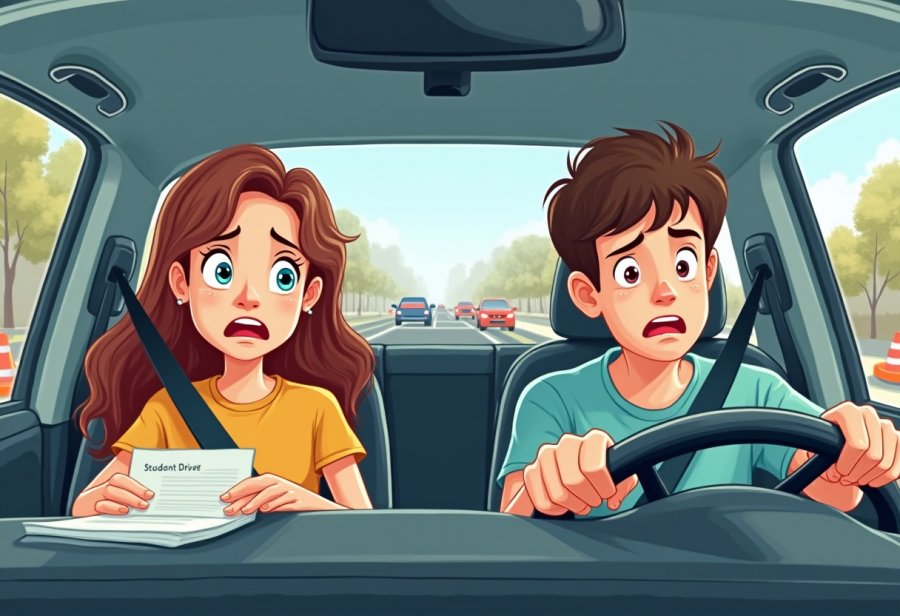
Key Strategies to Boost Teen Confidence and Overcome Driving Anxiety
Building confidence in teen drivers begins with fostering a mindset that success is within their reach. When teens receive positive feedback for small achievements, it reinforces the idea that their efforts are paying off, not just luck. Setting clear, manageable goals—like mastering parallel parking or merging confidently onto a highway—provides tangible milestones that boost motivation. Celebrating these wins shifts their focus from fear of failure to a sense of accomplishment, creating momentum for continued progress.
Giving teens a sense of ownership over their learning journey enhances their confidence. Allowing them to choose practice times or set personal targets makes them feel responsible and in control. This autonomy encourages initiative and helps them view driving as a skill they can develop through effort, not just something to pass a test. An environment built on trust and independence reassures teens that they are capable of mastering this new responsibility.
Addressing nerves directly with practical techniques can make a significant difference. Simple strategies like deep breathing before starting a drive or focusing on specific tasks—such as mirror checks or maintaining a steady speed—help redirect attention away from anxiety. Starting in familiar, low-pressure settings and gradually increasing difficulty allows teens to build confidence step by step. Each success reinforces their belief in their abilities, making future challenges feel less intimidating.
Supporting teens also involves normalizing their feelings of anxiety as a natural part of learning. Sharing stories of other teens’ struggles and successes helps them realize they’re not alone. Knowing that even experienced drivers face doubts reduces stigma and encourages open conversations. This openness fosters resilience, making it easier for teens to confront their fears and see mistakes as opportunities to learn, rather than signs of failure.
Promoting self-awareness plays a key role. Encourage teens to notice how their emotions influence their driving—whether they’re feeling anxious, distracted, or confident—and teach them strategies to stay calm. Recognizing their emotional state empowers them to respond thoughtfully, which enhances safety and decision-making. Developing this awareness helps teens see themselves as active participants in their growth, rather than passive learners.
Finally, modeling calm, confident behavior is essential. When teens observe trusted adults handling difficult situations with patience and control, it reinforces that confidence is a skill that can be cultivated. Every supportive word and composed reaction strengthens their belief in their own potential. By nurturing a positive environment that values effort and persistence, we help teens develop not just driving skills but a resilient attitude that will serve them well throughout their lives.