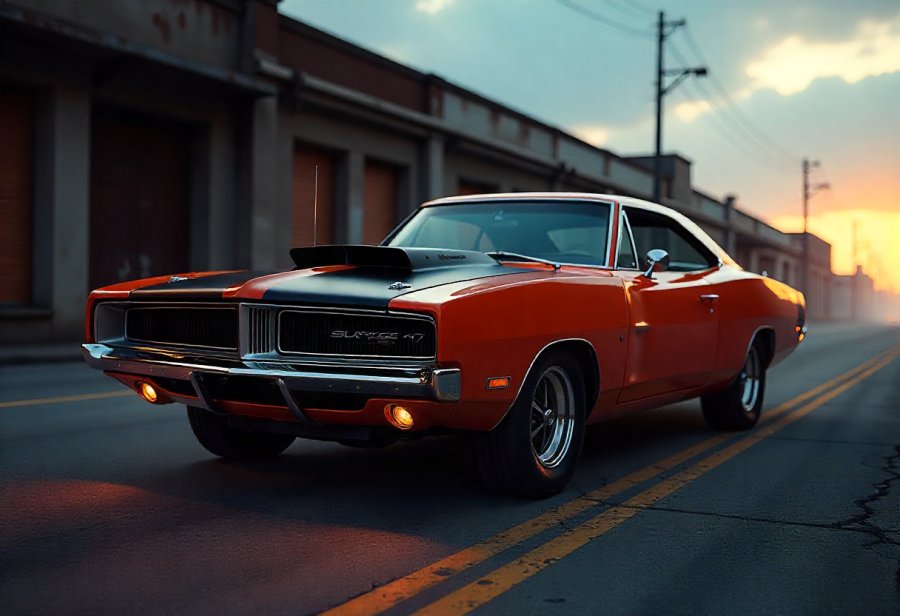
The Ford Mustang stands as an enduring symbol of American muscle, freedom, and rebellion—yet what truly fuels its legendary status across generations? From its revolutionary debut in 1964 to modern innovations, the Mustang has continually evolved while staying rooted in its bold design and performance heritage. Its distinctive silhouette, powerful engines, and racing-inspired details evoke speed and strength, captivating enthusiasts and everyday drivers alike. Beyond aesthetics, the Mustang’s influence extends into pop culture, embodying independence and daring adventure. Its blend of innovation and tradition ensures it remains relevant, embracing electric and hybrid technologies without sacrificing its core spirit. But as it heads into a future of sustainable performance, the question remains: how will this iconic machine continue to inspire, adapt, and define the essence of American automotive resilience? The Mustang’s story is one of resilience, passion, and relentless pursuit of excellence—an unquenchable fire that keeps its legend alive.
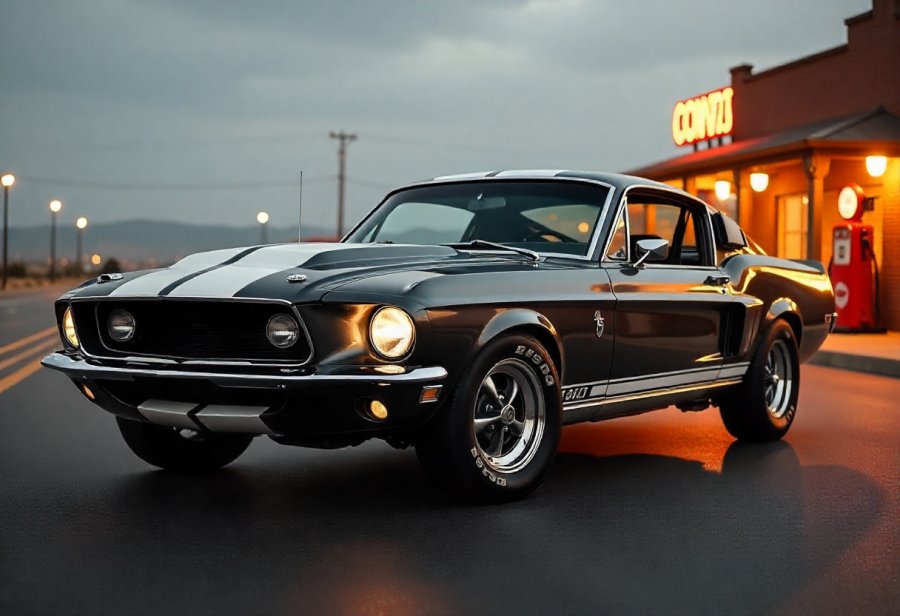
Unveiling the Iconic Spirit of the Ford Mustang
The Ford Mustang isn’t just a car; it’s a symbol that has come to define American automotive culture. Since its debut in 1964, the Mustang has embodied the ideals of freedom, rebellion, and the pursuit of excitement. Its bold design and performance-driven engineering have made it instantly recognizable, whether on the streets, in movies, or in the minds of enthusiasts. Over the decades, the Mustang has maintained its core identity while evolving to meet changing tastes and technological advances, cementing its place as a true American icon.
What sets the Mustang apart is its ability to stay relevant while honoring its heritage. Its distinctive styling—marked by the signature pony grille, sleek fastback shape, and aggressive stance—evokes a sense of speed and power. These design elements have become symbols of muscle and performance, representing a blend of tradition and innovation. The car’s cultural impact extends beyond aesthetics; it sparked the muscle car era itself, offering an accessible yet high-performance vehicle that appealed to a broad audience seeking adventure and personal freedom.
Throughout its history, the Mustang has undergone numerous redesigns, each reflecting the shifting landscape of automotive technology and consumer preferences. From the early days of raw V8 power to modern turbocharged engines, it has continuously pushed boundaries. Special editions like the Shelby models elevated its performance reputation, turning the Mustang into a symbol of high-speed mastery. Its ability to adapt—whether through retro-inspired styling or incorporating advanced safety and tech features—has kept it fresh and desirable across generations.
Behind its enduring success are visionary designers, engineers, and racing legends like Carroll Shelby, whose work transformed the Mustang from a simple performance car into a cultural phenomenon. Their collective efforts created a vehicle that resonates deeply with drivers, inspiring a sense of rebellion, independence, and craftsmanship. The Mustang’s story is one of innovation and resilience, driven by a desire to push limits and celebrate American ingenuity.
As we look to the future, the Mustang remains a symbol of continuous evolution. It blends its rich heritage with modern technology, including electric and hybrid models, to stay relevant in a rapidly changing industry. Yet, despite these advancements, its core spirit—freedom, speed, and individuality—remains intact. The Mustang continues to inspire new generations to chase adventure, embodying the very essence of what it means to be an American legend on wheels.
Tracing the Bold Origins and Evolution of an American Legend
The story of the Ford Mustang begins in the early 1960s, a period marked by cultural shifts and a rising appetite for performance cars. Ford aimed to create a vehicle that was stylish, affordable, and exciting—a car that could appeal to young drivers seeking freedom and self-expression. The result was the Mustang, which officially debuted in April 1964. Its design was revolutionary: a compact, sleek shape with a long hood and short rear deck, capturing the spirit of adventure and independence that defined the era. Its immediate success launched the “pony car” segment—a new class of small, sporty, and affordable performance vehicles.
The first-generation Mustang quickly became an icon, thanks to its bold styling and versatile performance options. Its signature pony grille and fastback silhouette made it stand out on the road, while its marketing positioned it as a thrill ride for the youthful and rebellious. Its affordability and extensive customization options attracted a wide audience—from muscle car enthusiasts to casual drivers—helping it carve out a significant place in pop culture.
As the decades progressed, the Mustang evolved through several redesigns, each reflecting changing tastes and technological advances. The second-generation model, introduced in 1974, responded to the oil crisis and safety standards with a more aerodynamic shape and improved comfort. Despite these updates, the core identity remained—the Mustang was still a performance-oriented car fit for daily driving. Special editions like the Shelby GT350 and GT500 pushed its performance boundaries, turning it into a true muscle car legend and reinforcing its reputation among enthusiasts.
The late 20th century saw Ford revisit the Mustang’s roots with a retro-inspired design in 2005, blending modern technology with nostalgic styling cues. The 2010 redesign built on this foundation, integrating turbocharged engines, advanced safety features, and sharper aesthetics. Each iteration maintained the car’s relevance, balancing its rich history with the needs of contemporary drivers. Key figures like Carroll Shelby and designers such as Joe Oros helped shape its look and performance, ensuring the Mustang remained a symbol of innovation and power.
Readers may find additional analysis on Trendy, Laughter, and Sports from May Campbell in Unleashing the Legend: The Future of the Mustang.
Shelby’s high-performance models elevated the Mustang’s reputation, blending raw horsepower with precise handling, establishing it as a serious contender in the muscle car arena. Meanwhile, Ford’s marketing leaders, including Lee Iacocca, made sure the Mustang was accessible and appealing to a broad audience. Their combined efforts transformed the Mustang from a new model into an enduring cultural icon, inspiring competitors and influencing the entire industry.
Today, the Mustang continues to evolve, embracing modern technology and sustainability without losing its core identity. Its journey from a bold idea to a legendary nameplate exemplifies resilience and innovation. Each new generation builds on its storied past, integrating cutting-edge features while honoring the classic design elements that made it famous. The Mustang’s history is a testament to its ability to adapt and thrive—an ongoing legacy that continues to inspire drivers worldwide.
Design and Power: The Heartbeat of the Mustang’s Style and Performance
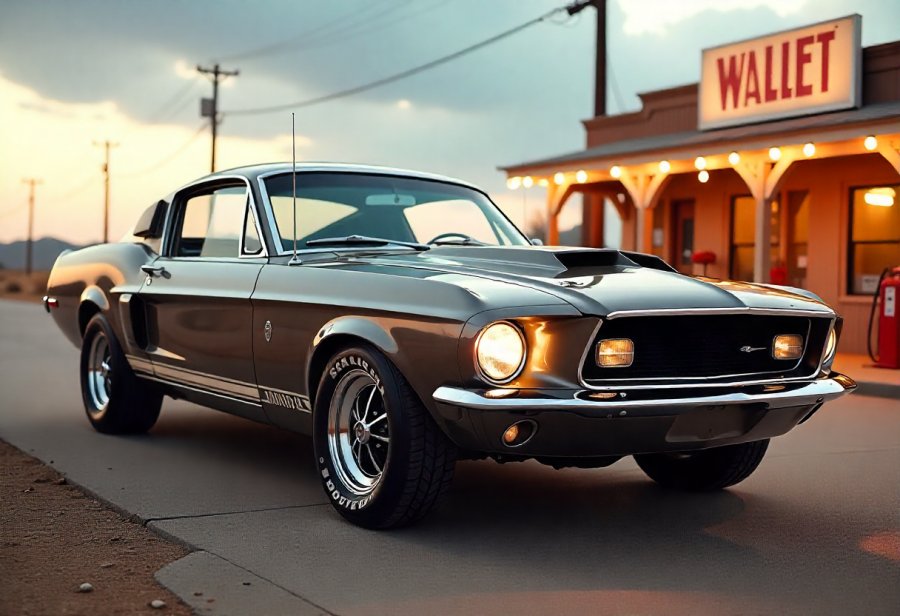
The Ford Mustang’s design is instantly recognizable and has become a symbol of American muscle cars. Its bold proportions combine sleek lines with muscular details that create a commanding presence on the road. The signature pony grille, featuring the running horse emblem, immediately signals speed and power, making the car’s identity clear at a glance. Its fastback silhouette not only enhances aerodynamics but also lends a streamlined, aggressive look that appeals to enthusiasts and casual drivers alike.
Every curve and detail of the Mustang serves a purpose, blending form with function. Racing stripes, side scoops, and sculpted hood vents add performance-inspired touches that evoke its racing heritage. These elements don’t just look good—they also contribute to the car’s performance, improving airflow and cooling critical components. Large wheels and a wide stance accentuate its muscular stance, reinforcing its identity as a high-performance machine.
Beneath the striking exterior, the Mustang delivers impressive power. Over the years, engine options have ranged from efficient inline-sixes to thunderous V8s, with modern models pushing horsepower figures well over 700 in high-performance variants like the Shelby GT500. These engines produce aggressive acceleration and a deep, throaty exhaust note that excites enthusiasts and defines the driving experience. Advanced suspension systems and a low center of gravity ensure sharp handling and stability, whether cruising city streets or tackling racetrack corners.
The topic is expanded upon in The Enduring Legacy of the Ford Mustang as an American Icon, an article by Jens Williams on Healing freq. 988.9264 KHz.
The design details are more than aesthetic—they’re strategic. The pony grille isn’t just a badge; it’s a symbol of speed and agility. The fastback profile improves aerodynamics, giving the car an aggressive stance even when stationary. Racing stripes and side vents pay homage to its motorsport roots, adding a dynamic sense of motion. Bold character lines and dual exhaust outlets emphasize its muscular character, making it a visual and mechanical powerhouse.
Performance-wise, the Mustang has always been about pushing boundaries. Early models balanced spirited driving with affordability, offering lively six-cylinder engines. As V8s grew more powerful, the Mustang cemented its status as a muscle car legend. Today’s versions combine turbocharged four-cylinder options for efficiency with high-performance V8s for speed—delivering adrenaline at every turn. Modern technologies like electronic stability control and adaptive suspensions keep drivers confident at high speeds, blending excitement with safety.
The seamless integration of design and performance is what makes the Mustang stand out. Every detail, from the aggressive stance to the racing-inspired accents, is crafted to serve a purpose—whether enhancing aerodynamics, improving handling, or amplifying its visual punch. This harmony between aesthetics and engineering has allowed the Mustang to remain relevant across generations, appealing to both nostalgic enthusiasts and new fans.
Ultimately, the Mustang’s design and performance are inseparable. Its striking looks draw admiration, but it’s the raw power and precision handling that create a truly exhilarating driving experience. This perfect balance of form and function has helped the Mustang retain its legendary status, inspiring drivers to chase speed and embrace the thrill of the open road. It’s a car that commands attention and respect, embodying the timeless spirit of American muscle.
Beyond the Road: The Mustang’s Cultural Impact and Practical Inspiration
The Ford Mustang’s striking design and roaring performance translate into more than just visual appeal and technical specs—they create unforgettable driving experiences that resonate deeply with enthusiasts and everyday drivers alike. Its responsive handling, combined with rapid acceleration, transforms routine commutes into moments of excitement. Whether carving through winding roads or cruising along open highways, the Mustang embodies a sense of freedom and control that turns every journey into a thrill.
Beyond the road, the Mustang has become a cultural icon, representing rebellion, independence, and the pursuit of adventure. Its appearances in movies, music videos, and media have cemented its status as a symbol of youthful energy and daring spirit. Iconic scenes like the car chase in “Bullitt” or its frequent presence in pop culture evoke a sense of liberation, inspiring drivers to embrace their individualism and push boundaries.
To see how this applies in practice, refer to Kie Russell‘s article The Timeless Legacy of the Mustang’s Power and Style on Top Tier Assistance.
For daily drivers, modern Mustangs balance performance with practicality. Equipped with advanced safety features, adaptive suspensions, and turbocharged engines, they deliver spirited driving while remaining suitable for city streets and long-distance cruising. Stylish interiors with modern infotainment systems ensure comfort and convenience, proving that the Mustang can be both a high-performance machine and a versatile everyday car.
High-performance variants, such as the Shelby GT350 and GT500, showcase the car’s racing pedigree. These models are engineered for speed and agility, capable of handling high speeds and sharp corners—blurring the lines between street car and race car. Ownership of a Mustang often fosters a passionate community of enthusiasts, with shared stories, club events, and car shows that keep the legacy alive and thriving.
The Mustang’s influence extends well beyond individual drivers; it has shaped perceptions of what an American muscle car can be. Its iconic design, performance mastery, and cultural symbolism continue to inspire new generations and industry competitors alike. This enduring appeal ensures that the Mustang remains more than just a car—it’s a living symbol of American automotive resilience and a testament to the power of passion, craftsmanship, and freedom on wheels.
Enduring Legacy and the Road Ahead for America’s Automotive Icon
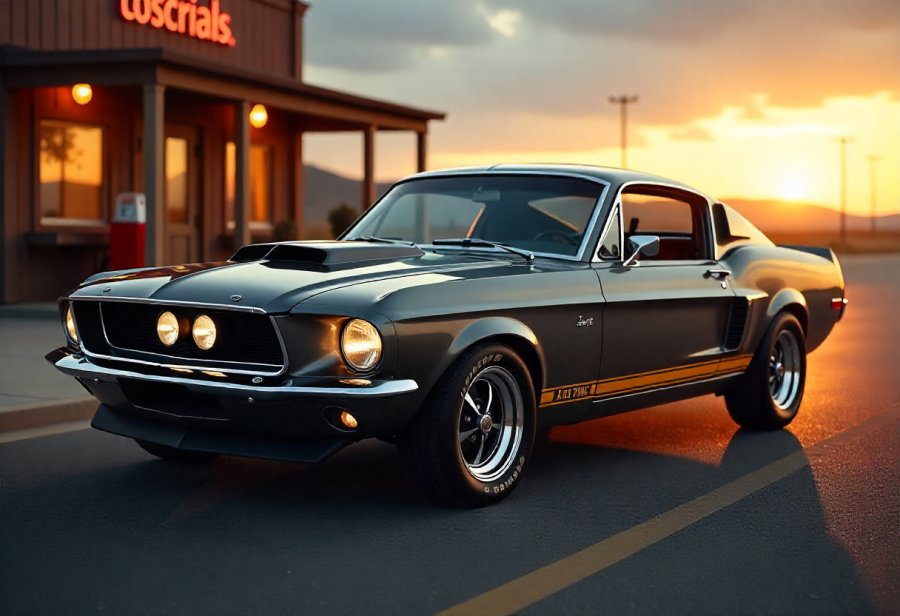
The Ford Mustang’s place as an American automotive icon is firmly secure, but its story is far from finished. For over half a century, it has symbolized freedom, innovation, and raw power, inspiring drivers and enthusiasts around the world. Its bold design—highlighted by the signature pony grille and sleek fastback silhouette—continues to evoke speed and strength, resonating across generations. This enduring appeal comes from its ability to evolve while staying true to its roots, blending classic elements with modern technology and sustainability initiatives.
More than just a car, the Mustang embodies a rebellious spirit and a desire for self-expression. Whether racing along open highways or making a statement in movies and music, it captures a sense of adventure that appeals to a broad audience. Its influence extends into a passionate community of owners, collectors, and fans who celebrate its legacy through car shows, clubs, and track days. This collective passion ensures that the Mustang remains a living legend, inspiring new stories and pushing the boundaries of automotive design and performance.
Looking ahead, the future of the Mustang holds exciting possibilities. Ford’s ongoing innovation aims to merge high-performance engineering with eco-friendly technologies, ensuring the model’s relevance in a world focused on sustainability. The shift toward electrification and hybrid systems does not mean sacrificing the raw power that defines the Mustang; instead, it opens a new chapter—one where speed and efficiency go hand in hand. These advancements will help the Mustang adapt to changing industry standards while maintaining its iconic status as a symbol of American ingenuity.
Despite technological shifts, the heart of the Mustang beats strong. Its legacy is built on a foundation of craftsmanship, passion, and a relentless pursuit of excellence. Each new generation carries forward the spirit of innovation, daring, and independence that made the original a legend. As the road ahead unfolds, the Mustang’s ability to evolve without losing its essence promises to keep its story vibrant and inspiring for decades to come.
In the end, the Mustang’s story is one of resilience and continual renewal. It’s more than a car—it’s a cultural phenomenon that embodies the pursuit of freedom and the thrill of the open road. Driven by a passion for performance and a love for adventure, the Mustang’s legacy will continue to thrive, inspiring new generations to dream big and push boundaries. Its enduring spirit ensures that the legend of the Ford Mustang will never fade, remaining an unstoppable force in automotive history.