In an era where seamless communication is vital for competitive advantage, the shift to customizable telephony solutions is transforming business operations. Grandstream’s innovative devices—like its scalable IP phones—empower organizations to build flexible, cloud-managed networks that adapt quickly to growth and remote work demands. This technology enables centralized control, remote management, and effortless scaling, reducing downtime and resource strain. But how can these advanced systems unlock true efficiency and agility? By integrating foundational network infrastructure with modern digital tools, businesses can achieve more reliable, secure, and responsive communication frameworks. These solutions don’t just improve operational flow—they revolutionize it, offering tailored features that elevate customer satisfaction and employee productivity. With the rapid evolution of IP telephony, organizations are no longer confined by traditional systems. Instead, they can embrace a resilient, scalable infrastructure that meets today’s needs and anticipates tomorrow’s challenges—making customized telephony not just a convenience, but a strategic necessity.
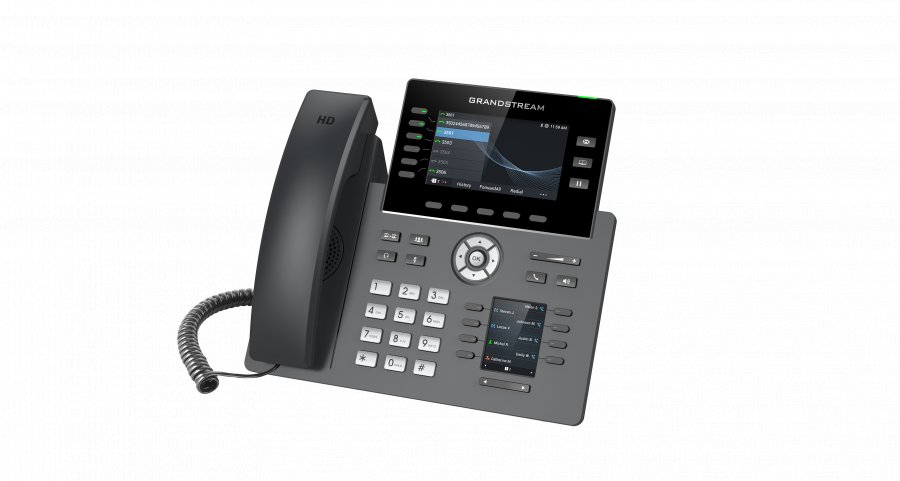
Unlocking Business Success with Customizable Telephony Solutions
In today’s fast-moving business world, clear and reliable communication isn’t just an advantage—it’s a necessity. Companies need to connect seamlessly with clients, partners, and teams to stay competitive and responsive. Relying on standard, one-size-fits-all telephony systems can limit growth and complicate daily operations, especially as organizations expand or shift toward remote work. That’s where customizable telephony solutions come into play, offering flexible, tailored communication setups that adapt to specific business needs.
These solutions aren’t just about adding features; they’re about creating a communication infrastructure that supports agility, scalability, and efficiency. Imagine a business experiencing rapid growth or embracing a hybrid work model. Rigid systems can slow progress, cause frustration, and hinder workflows. Custom systems allow for quick adjustments—whether deploying new features, adding users, or integrating with other digital tools—without the need for a complete overhaul. This flexibility enables organizations to respond swiftly to market shifts and internal demands, keeping them ahead of the competition.
Advances in technology have made these adaptable solutions more accessible than ever. Devices like Grandstream’s IP phones are designed with ease of deployment and customization at their core. They support features like auto-provisioning and remote management, simplifying setup and ongoing maintenance. This means businesses can efficiently deploy their communication networks across multiple locations or manage large fleets of devices remotely, saving time and reducing costs. Cloud-based management platforms further enhance this capability, allowing IT teams to configure, monitor, and update devices from anywhere with ease.
The value of customizable telephony extends beyond convenience. When communication tools align with specific workflows, employees become more productive. Customer service teams benefit from features like quick call routing and integrated customer data, which speed up service and improve satisfaction. Remote workers gain secure, mobile access that keeps them connected no matter where they are. Tailored solutions ensure each team has the right tools, reducing frustration and boosting responsiveness across the board. As a result, organizations enjoy smoother operations, better customer experiences, and a more engaged workforce.
Scalability is another key benefit. Traditional systems often require costly hardware upgrades or complex rewiring when a business grows. Cloud-managed telephony, like Grandstream’s offerings, allows organizations to add devices and features remotely—often within minutes—without disrupting ongoing operations. This ability to scale quickly and smoothly supports long-term growth, diversification, and even sudden market opportunities. It enables businesses to expand without the headaches of extensive hardware investments or system downtime, making agility a core part of their strategy.
At the heart of these advancements lies centralized management platforms. They give IT teams a single interface to oversee hundreds or thousands of devices across all locations. Firmware updates, configuration changes, and troubleshooting can all be handled remotely, reducing downtime and minimizing resource drain. This streamlined approach not only improves system reliability but also makes ongoing maintenance more straightforward, freeing teams to focus on strategic initiatives rather than technical glitches. It’s a smarter way to keep communication systems aligned with evolving business needs.
Investing in customizable telephony isn’t just a technical upgrade—it’s a strategic move that empowers organizations to operate more efficiently, adapt quickly, and stay competitive. With solutions like Grandstream’s innovative devices, businesses can build a resilient, flexible communication infrastructure that grows with them. In a landscape where agility and seamless connectivity are vital, tailored telephony solutions are no longer optional—they’re essential for success.

Building a Strong Foundation in Telephony Technology and Network Infrastructure
Understanding the foundation of telephony technology and network infrastructure is essential to fully grasp how customizable solutions can transform your communication system. Moving beyond the basic idea of modern telephony, it’s helpful to explore the core components and principles that make these flexible systems possible. A solid understanding of these basics allows you to leverage advanced devices like Grandstream’s IP phones more effectively and ensures your investment in a tailored communication setup pays off.
Traditional landline systems relied on analog wires connecting phones directly to telephone exchanges. These setups were simple and reliable but limited in scalability and flexibility. Expanding or modifying such systems often involved significant hardware changes and manual rewiring, which could be costly and time-consuming. Today, digital IP-based telephony has replaced these older systems, transmitting voice as data packets over the internet. This shift not only enhances flexibility but also reduces costs and simplifies management, especially for growing or geographically dispersed organizations.
In Build a Future-Ready Network with Grandstream’s Cutting-Edge Devices, Ki Wood examines this topic further on Piccoli Blog.
At the core of modern telephony are several key components. IP phones are specialized devices that connect to a network and convert voice into digital data for transmission. Switches and routers manage the flow of this data, ensuring calls are routed correctly and efficiently. Servers handle call routing, user management, voicemail, and additional features, creating a cohesive communication ecosystem. When these elements work together seamlessly, they form a flexible, scalable system that can be easily expanded or customized to meet specific business needs.
A robust network infrastructure underpins these components and is critical for maintaining high-quality, reliable voice communication. Adequate bandwidth prevents congestion, which can cause delays or dropped calls, especially during peak traffic periods. Implementing Quality of Service (QoS) prioritizes voice traffic over other data types, ensuring clear, uninterrupted calls. Security measures like Virtual Private Networks (VPNs) and encryption protect sensitive conversations, enabling secure remote work and safeguarding data from cyber threats. A well-designed network supports the stability and security necessary for effective communication.
Device management plays a vital role in simplifying ongoing maintenance and enabling scalability. Centralized management platforms allow IT teams to configure, update, and monitor hundreds or thousands of devices remotely. This approach significantly reduces deployment time and minimizes errors. For example, solutions like Grandstream’s Device Management System (GDMS) enable administrators to push firmware updates, adjust settings, or troubleshoot issues across the entire device fleet from a single interface—saving time and effort while ensuring consistency.
The evolution from analog landlines to digital VoIP systems reflects broader technological progress. Early digital setups still depended heavily on dedicated hardware and wired connections, which made upgrades costly and slow. Voice over Internet Protocol (VoIP) transformed this landscape by routing voice calls over the internet, dramatically reducing costs and enabling novel features like remote management and mobile integration. Today’s IP-based telephony systems are highly flexible, supporting cloud deployment, integration with digital tools, and centralized control—perfect for modern, dynamic organizations.
Understanding how these foundational elements fit together reveals why investing in a well-designed telephony infrastructure is so impactful. It’s not just about choosing the latest device or software but about building a resilient, adaptable network capable of supporting your organization’s growth. When network hardware, security, device management, and scalability are aligned, they create a reliable backbone for your customized communication solutions. This solid foundation makes deploying advanced, cloud-managed devices like Grandstream’s IP phones straightforward, ensuring they perform reliably and grow with your business.
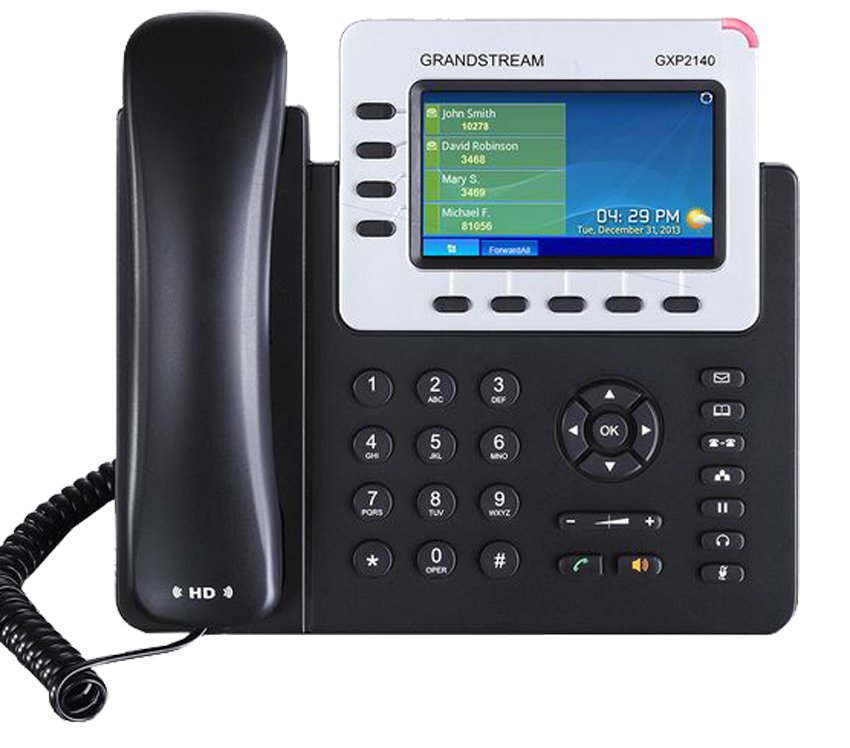
Embracing the Modern Telephony Landscape: Flexibility, Scalability, and Remote Control
Today’s telephony landscape has shifted dramatically from just a few years ago, driven by the need for greater flexibility, scalability, and remote accessibility. Organizations are increasingly adopting IP-based systems, which leverage the internet to route voice calls instead of traditional landlines. This change isn’t just about cost reduction; it’s about building a resilient, adaptable infrastructure that can grow and evolve alongside the business. Cloud-managed platforms are now at the core of this transformation, offering centralized control over vast networks of devices regardless of their physical location. With tools like Grandstream’s IP phones, managing and deploying communication systems has become more straightforward, supporting auto-provisioning and remote configuration that save time and reduce errors.
Many businesses are embracing hybrid models that blend legacy landlines with modern VoIP solutions. This approach allows a smooth transition, minimizing disruptions while gradually shifting to more flexible, cloud-based systems. Devices like Grandstream’s scalable IP phones are designed to integrate seamlessly into these setups, providing a broad range of features that support both traditional and digital workflows. This flexibility means organizations can start with what they have and expand or upgrade without the headaches of complete rewiring or hardware overhaul. It’s a practical way to adapt quickly to changing needs while protecting existing investments.
Remote management and centralized control are reshaping how organizations oversee their communication networks. Modern platforms enable IT teams to oversee hundreds or thousands of devices from a single dashboard. Firmware updates, configuration adjustments, and troubleshooting are now remote tasks, drastically reducing downtime and resource consumption. This level of control simplifies scaling efforts—adding new users or locations becomes a matter of minutes rather than weeks. As organizations expand, this agility ensures their communication infrastructure remains reliable, consistent, and easy to maintain.
Reliable network infrastructure forms the backbone of effective IP telephony. Adequate bandwidth, combined with Quality of Service (QoS) configurations, ensures voice traffic gets priority during peak times, preventing delays and dropped calls. Security measures like VPNs and encryption are also fundamental, especially for remote or distributed teams, safeguarding conversations from cyber threats. When these elements are in place, users experience a seamless, high-quality calling environment that supports daily operations and long-term growth. It’s about creating a digital environment where voice and data coexist securely and efficiently.
The evolution from traditional wired systems to digital, cloud-managed solutions reflects broader technological progress. Early digital setups relied heavily on physical hardware, making upgrades costly and slow. Today, VoIP and cloud platforms have revolutionized this landscape, enabling rapid deployment and flexible scaling. Organizations can add new devices or features remotely, often within minutes, without disrupting ongoing work. This agility is vital in today’s fast-changing markets, allowing businesses to respond swiftly to new opportunities or internal shifts without the typical downtime associated with hardware upgrades.
Ultimately, the shift to modern telephony solutions means more than just technology updates; it’s a strategic move toward agility, efficiency, and growth. With cloud-based management and scalable devices like Grandstream’s IP phones, organizations can build a communication infrastructure that’s both robust and flexible. This approach supports hybrid work models, distributed teams, and rapid expansion—key factors for staying competitive in today’s dynamic environment. The current landscape isn’t just about keeping up; it’s about leveraging technology to unlock new levels of operational excellence and seamless connectivity.